Himachal Pradesh · India
Spiti Winter Homestay Trip
Winter in the highest inhabited villages of Spiti Valley
The trek
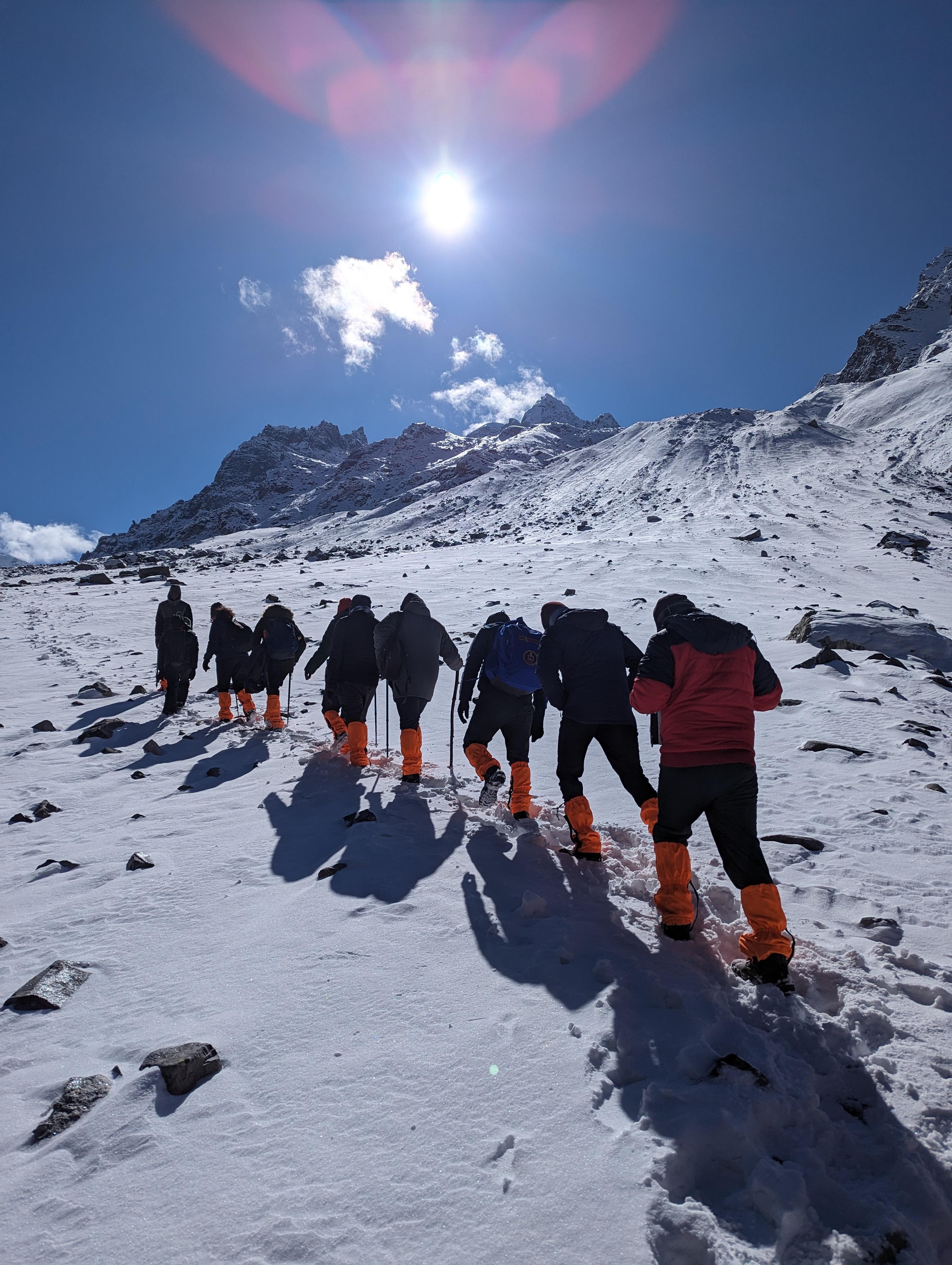
When the deep freeze of winter locks the high passes of Kunzum and Rohtang under heavy snowdrifts, the Spiti Valley in Himachal Pradesh transforms into an ethereal, monochromatic world of frozen rivers, towering ice cascades, and silent Tibetan-Buddhist hamlets. The Spiti Winter Homestay Expedition is an immersive, high-altitude cultural journey that takes travelers into the heart of this trans-Himalayan wilderness when temperatures plunge to -20°C to -30°C.
Imagine waking up in a traditional Himalayan village, stepping outside into the crisp winter air, and watching snow-covered mountains glow under the morning sun. The narrow village paths are quiet, the landscape is wrapped in white, and the warmth of a local homestay welcomes you after a day spent exploring the cold desert of the Himalayas. This is the experience that makes the Spiti Winter Homestay Trip with Frontpoint Adventures special.
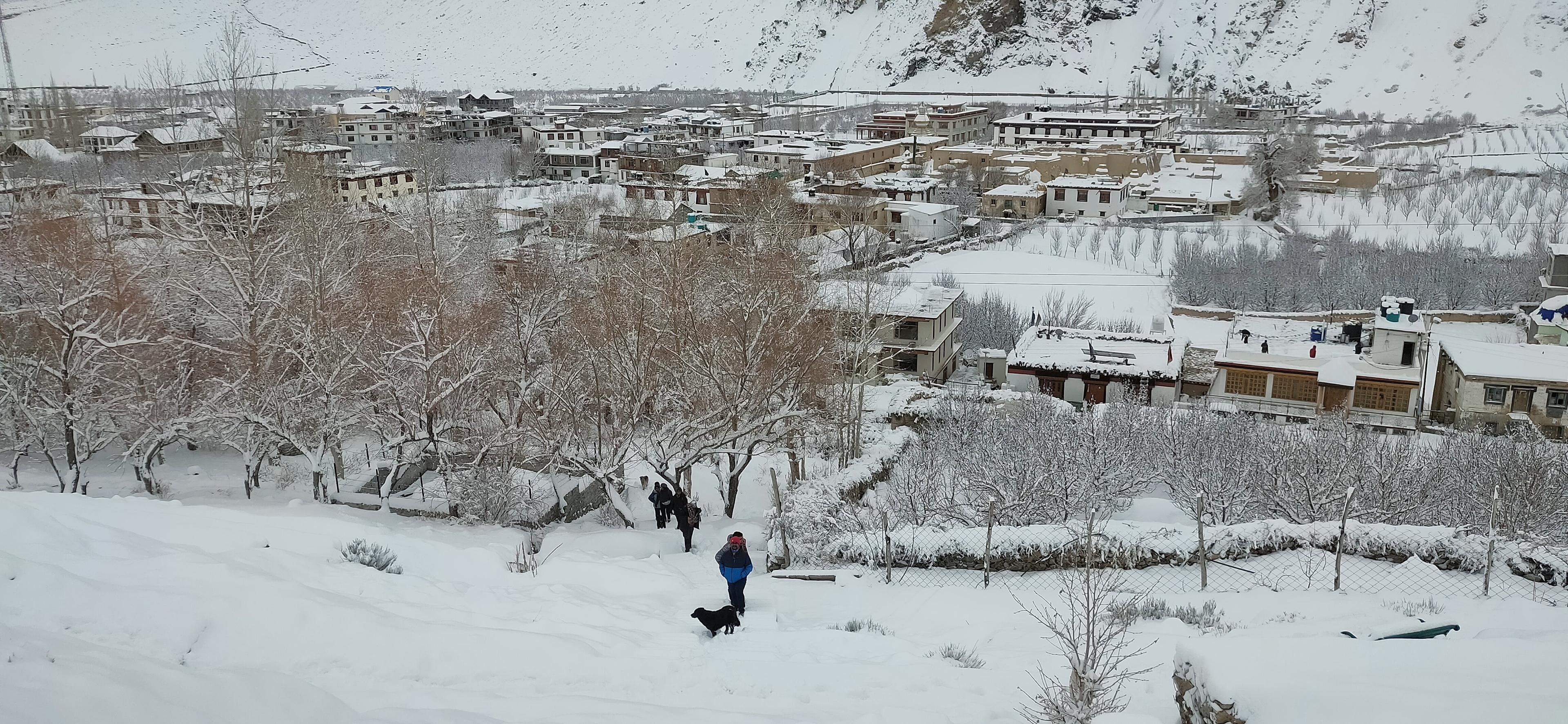
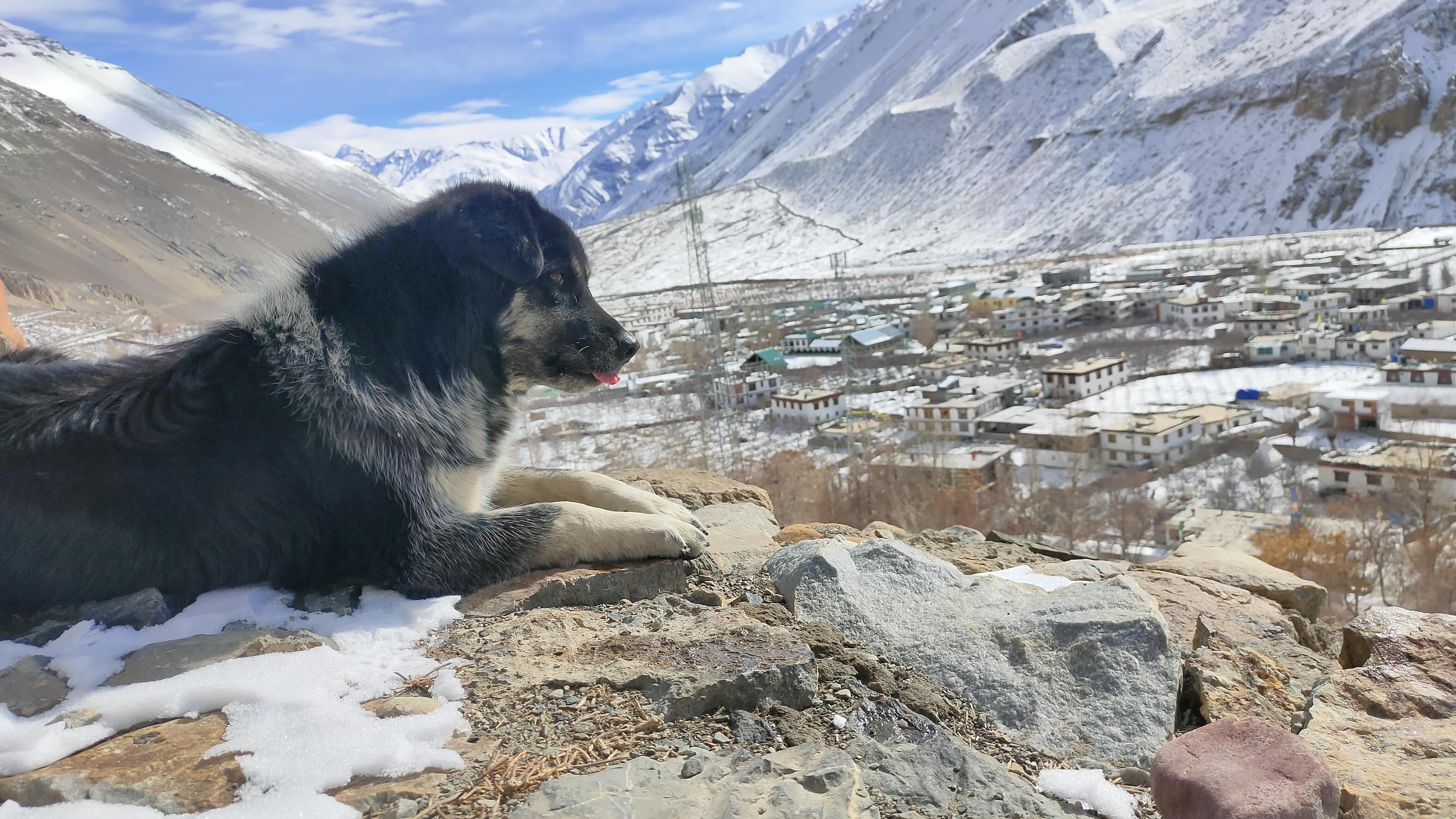
Located in the remote Trans-Himalayan region of Himachal Pradesh, Spiti Valley offers a completely different perspective of the Himalayas during winter. High mountain peaks, ancient monasteries, traditional mud-brick houses, frozen streams, and villages surrounded by vast barren mountains create a landscape unlike anywhere else in India. Winter brings a slower rhythm to life here, offering travelers an opportunity to experience the region beyond the usual summer travel season.
The Spiti Winter Homestay Trip is designed for travelers who want more than a conventional holiday. It is an opportunity to explore Himalayan culture, discover remote villages, experience local hospitality, and understand how communities live through some of the coldest months of the year. Instead of focusing only on sightseeing, the journey encourages you to slow down, connect with local people, and appreciate the simplicity of mountain life.
Discover the Beauty of a Snow-Covered Spiti Valley
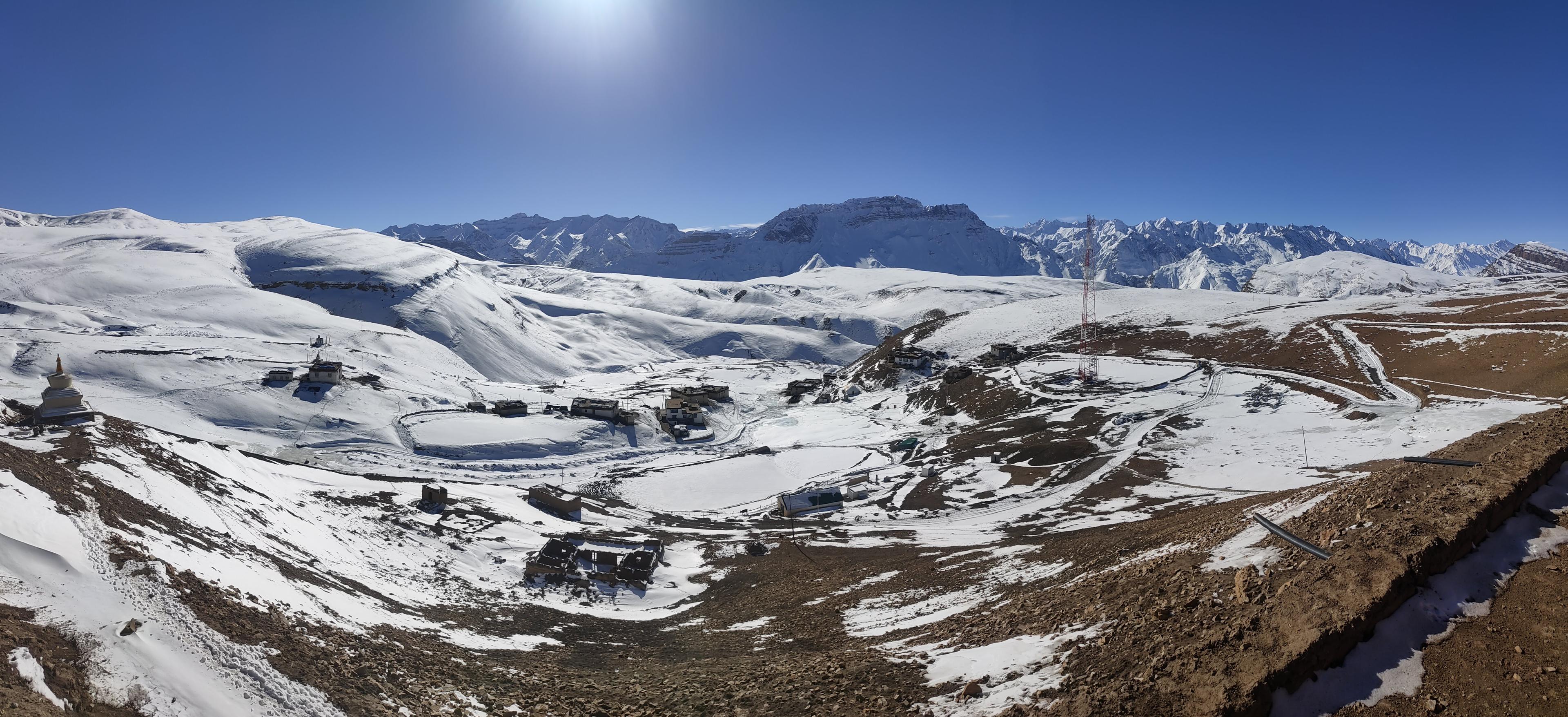
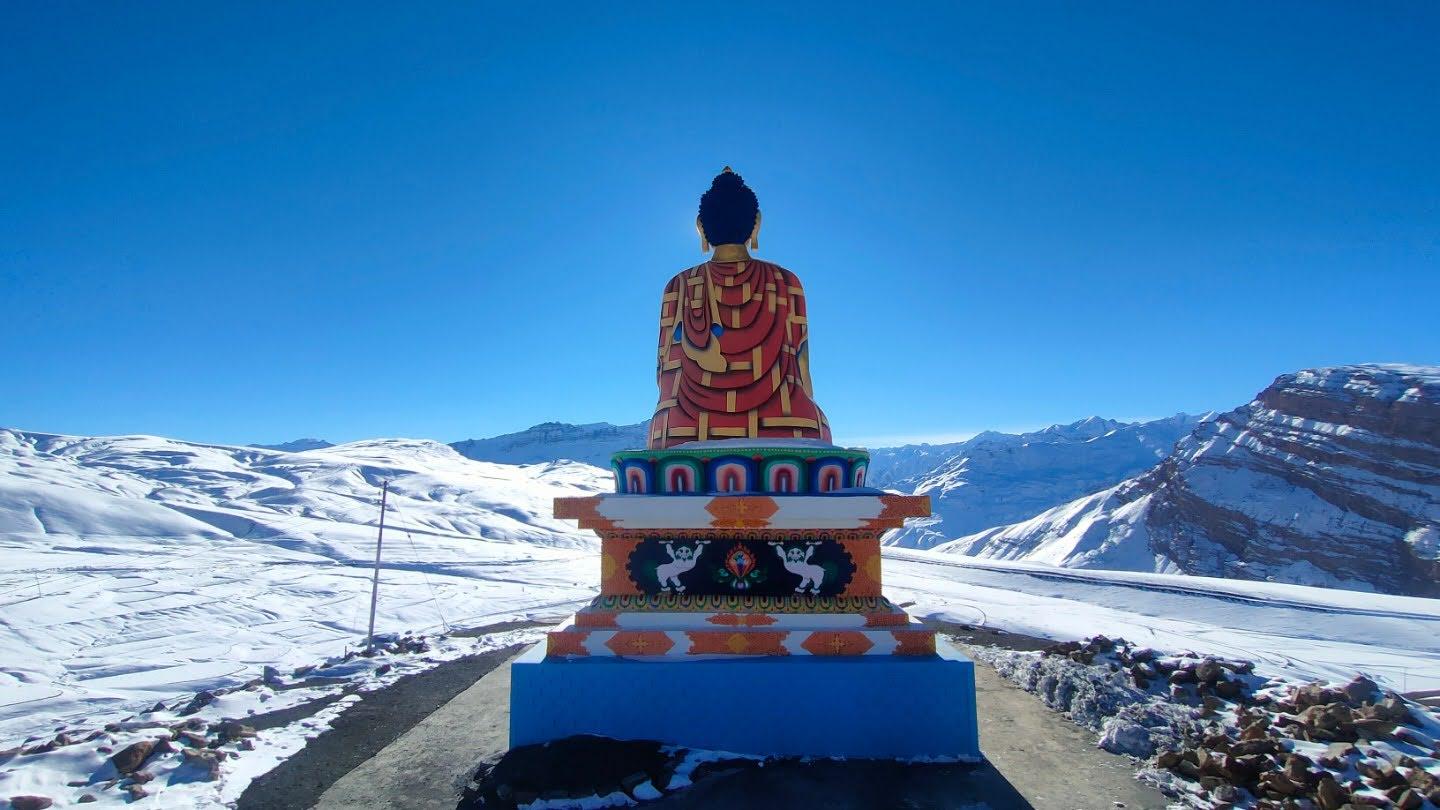
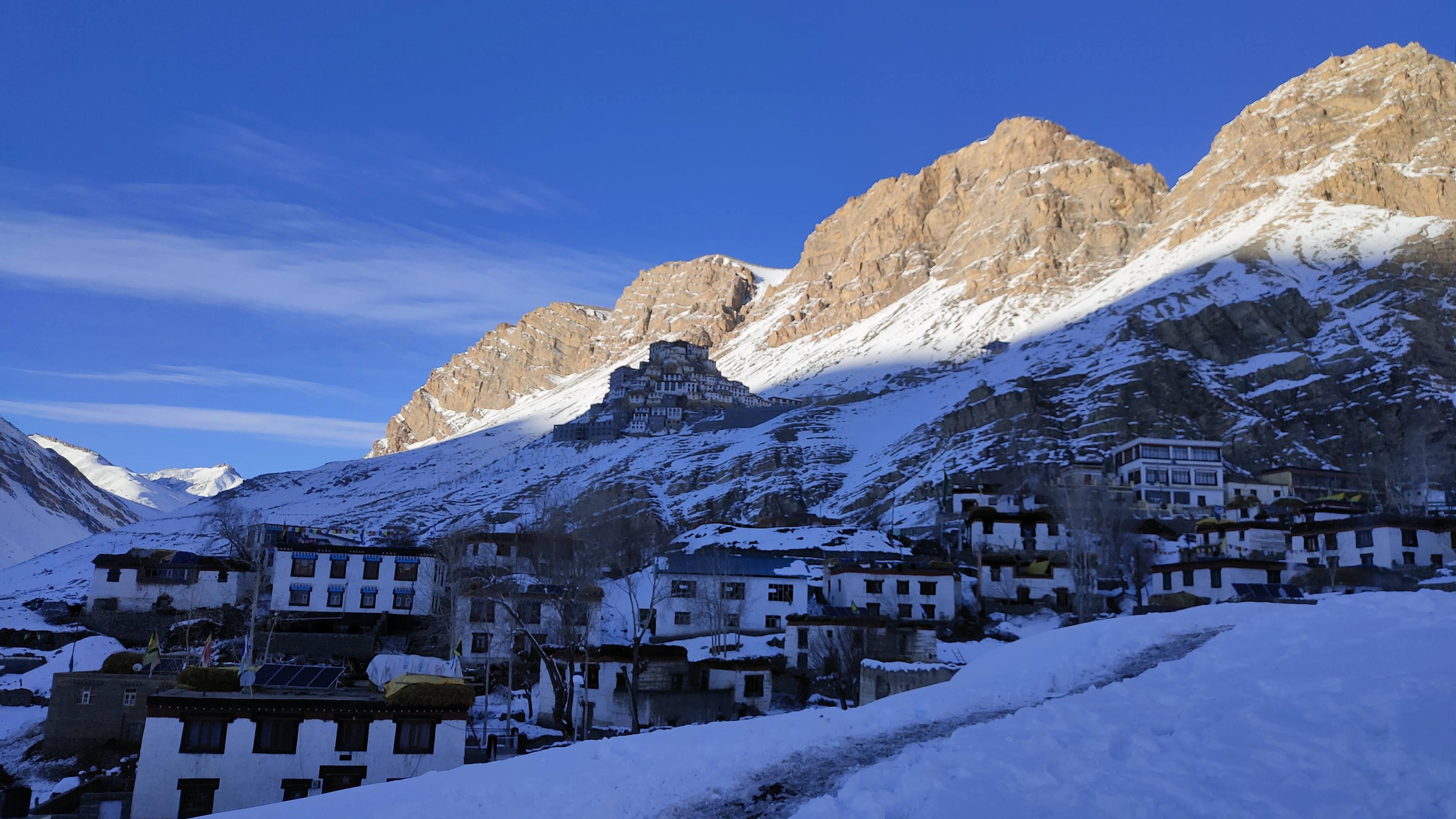
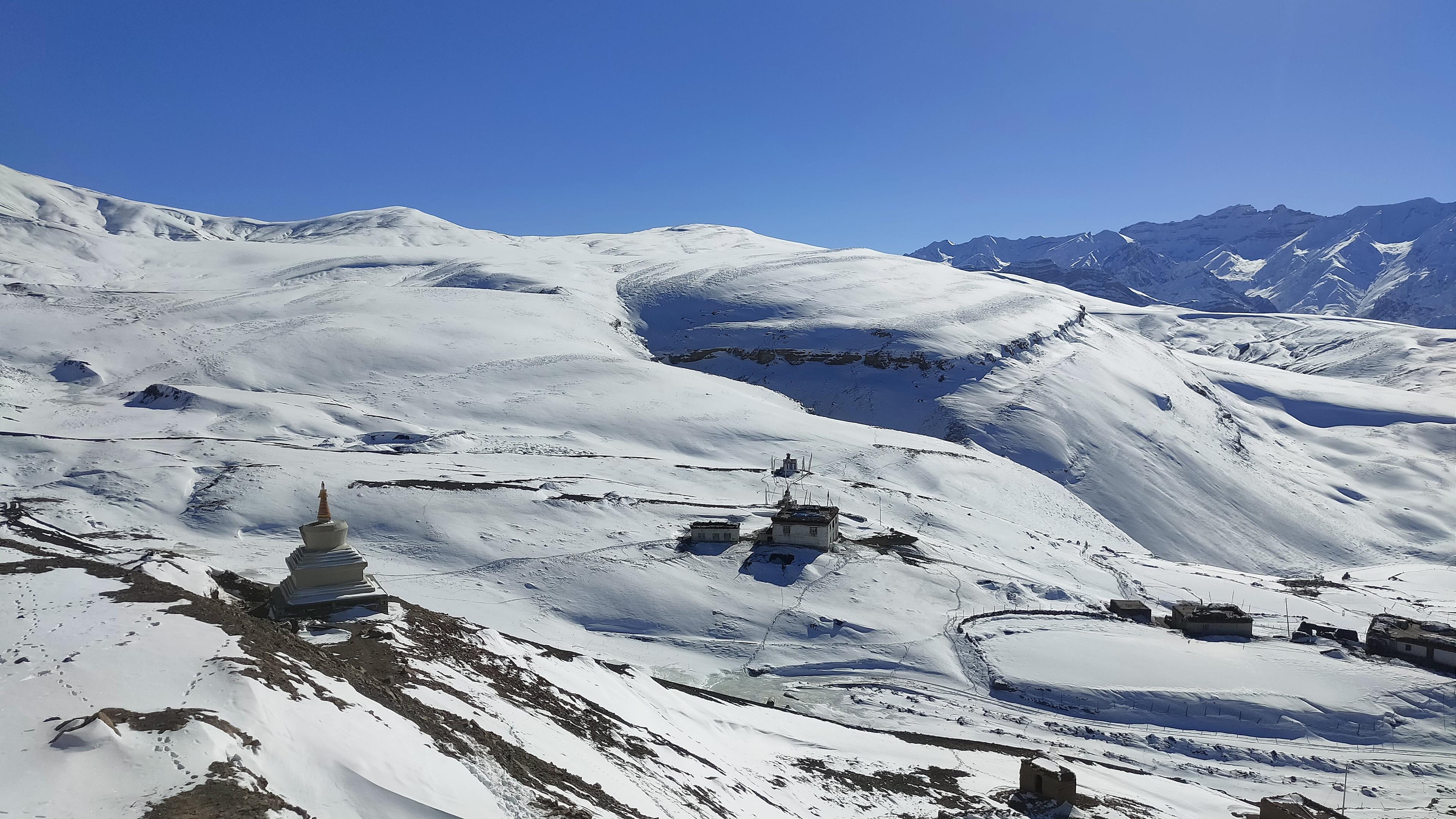
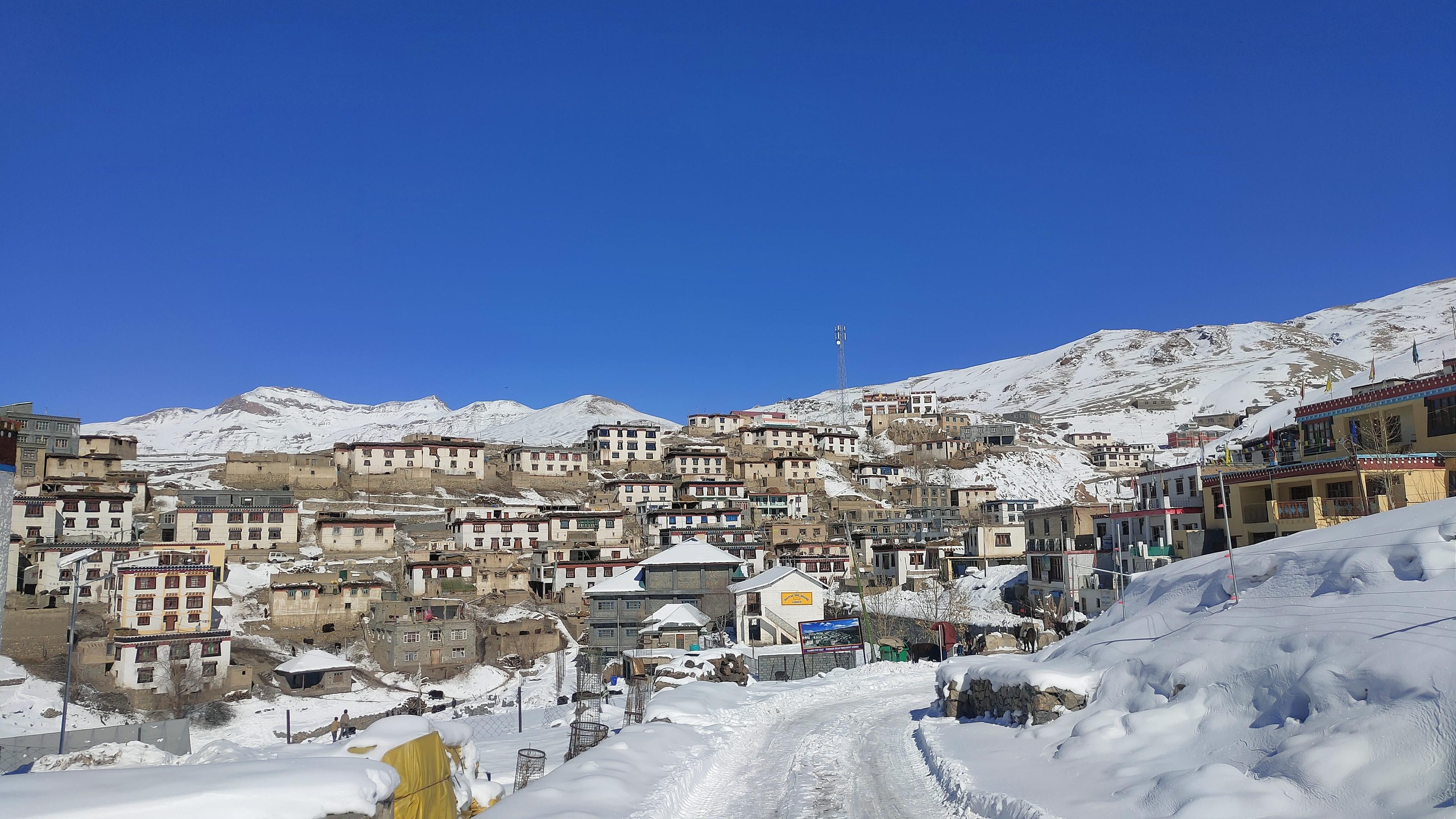
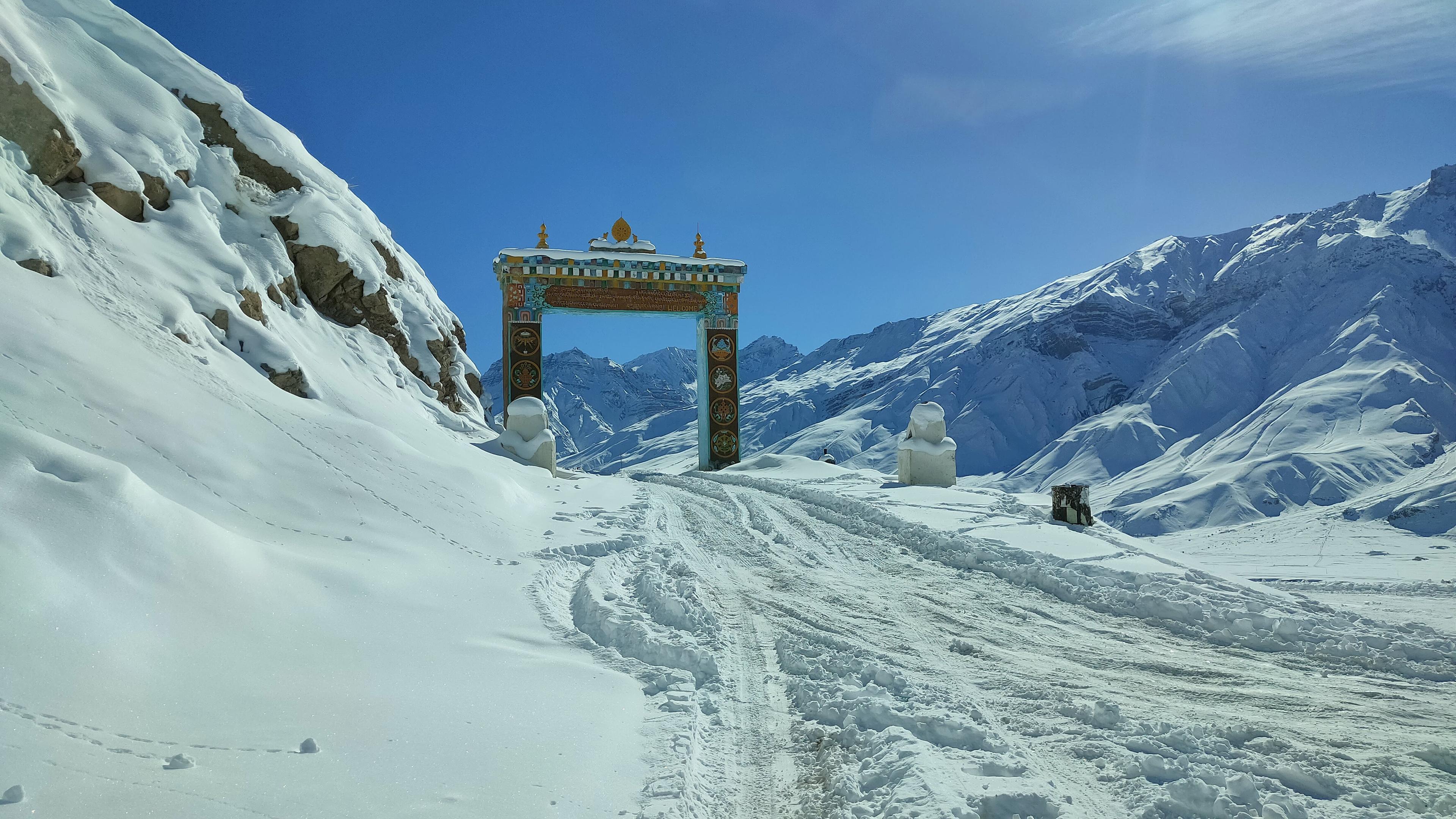
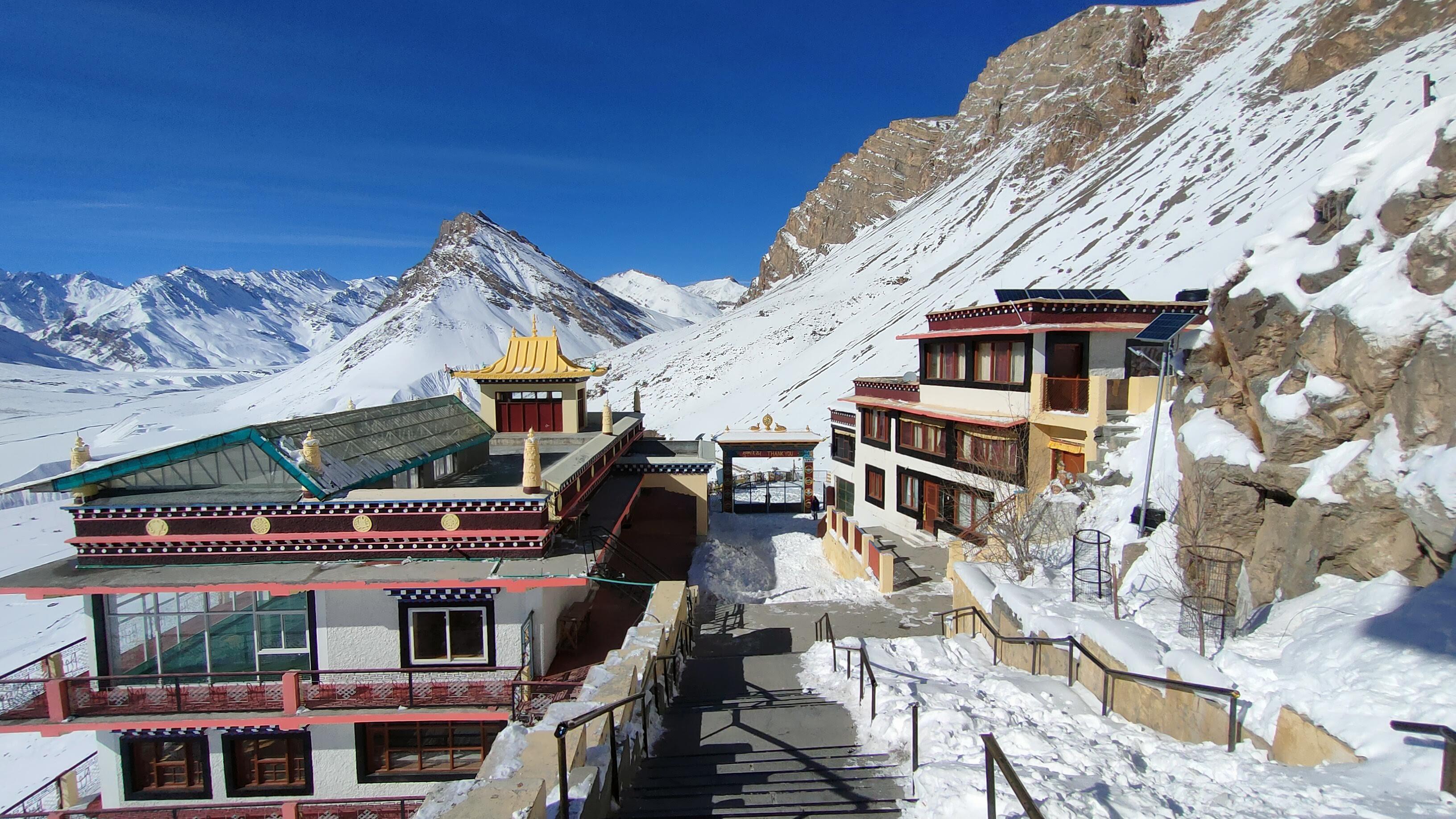
Winter transforms the landscape of Spiti into a dramatic combination of snow-covered mountain slopes, frozen river valleys, rugged cliffs, and ancient settlements. The cold desert terrain becomes even more striking as snow highlights the contours of the mountains and covers the rooftops and pathways of traditional villages.
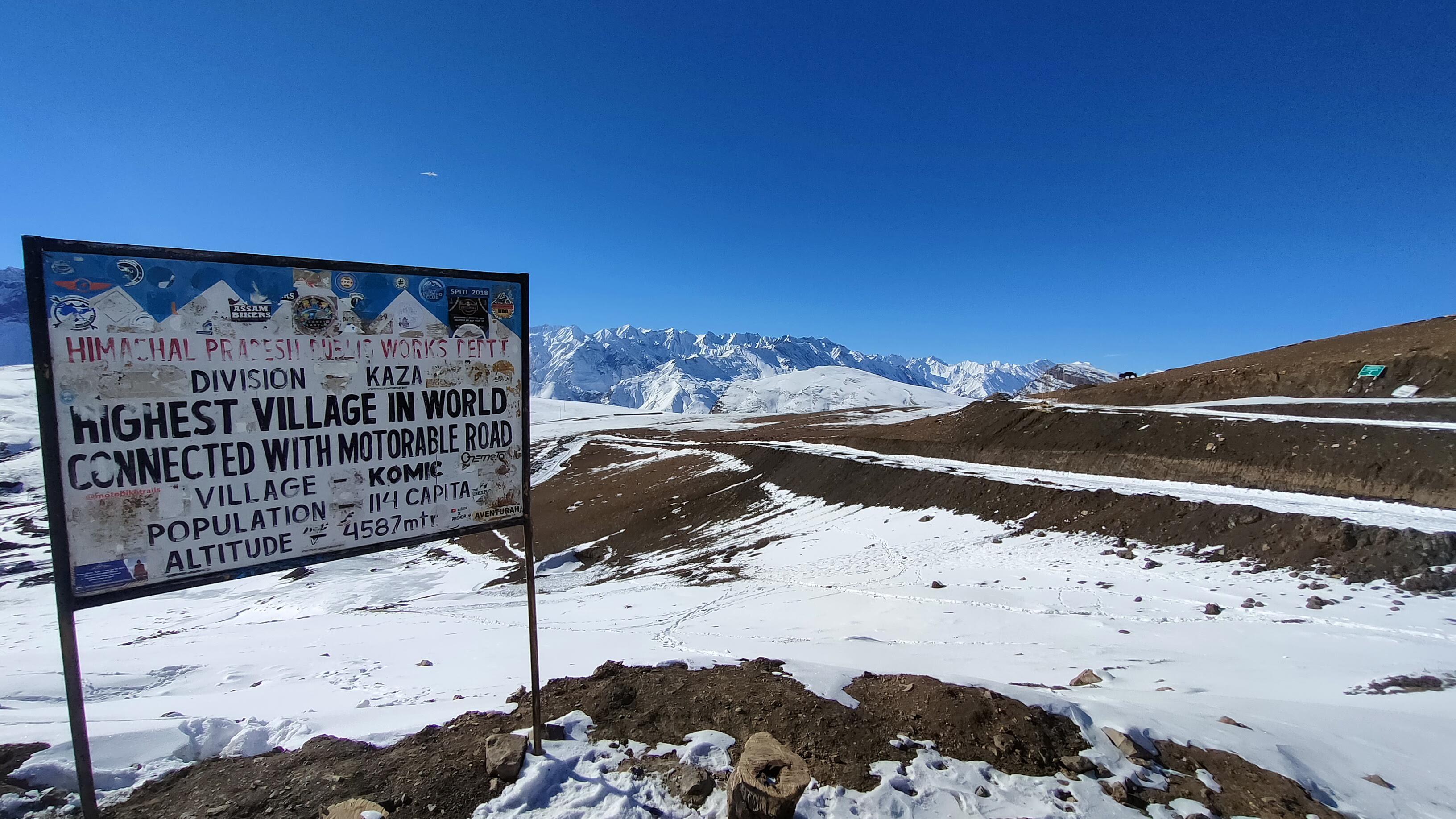
Depending on the road conditions and the itinerary, the journey may include places such as Kaza, Kibber, Langza, Komic, Hikkim, and other settlements in the Spiti region. Each village offers its own perspective on life in this high-altitude environment, from traditional architecture and local customs to wide-open mountain views and peaceful surroundings.
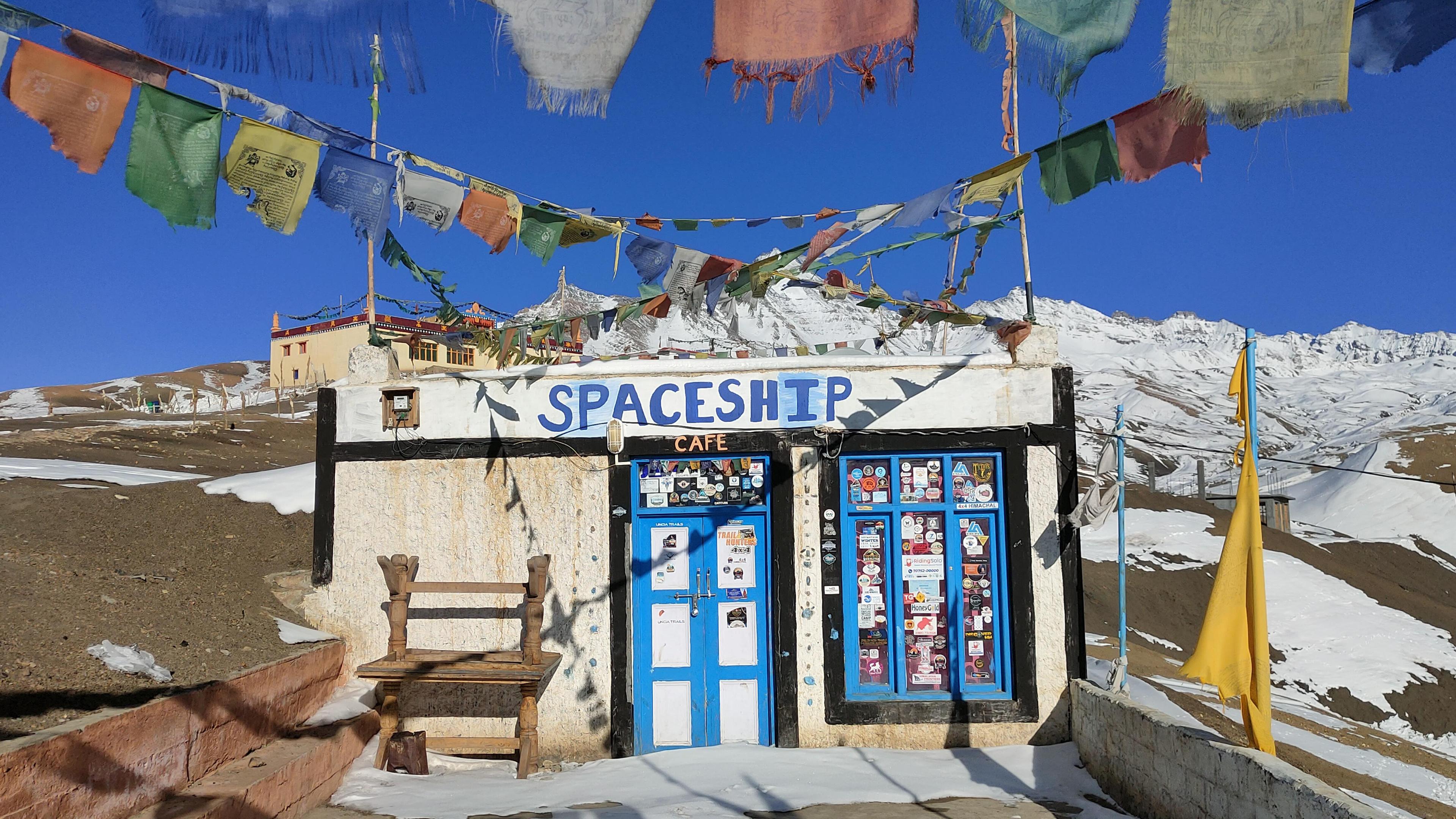
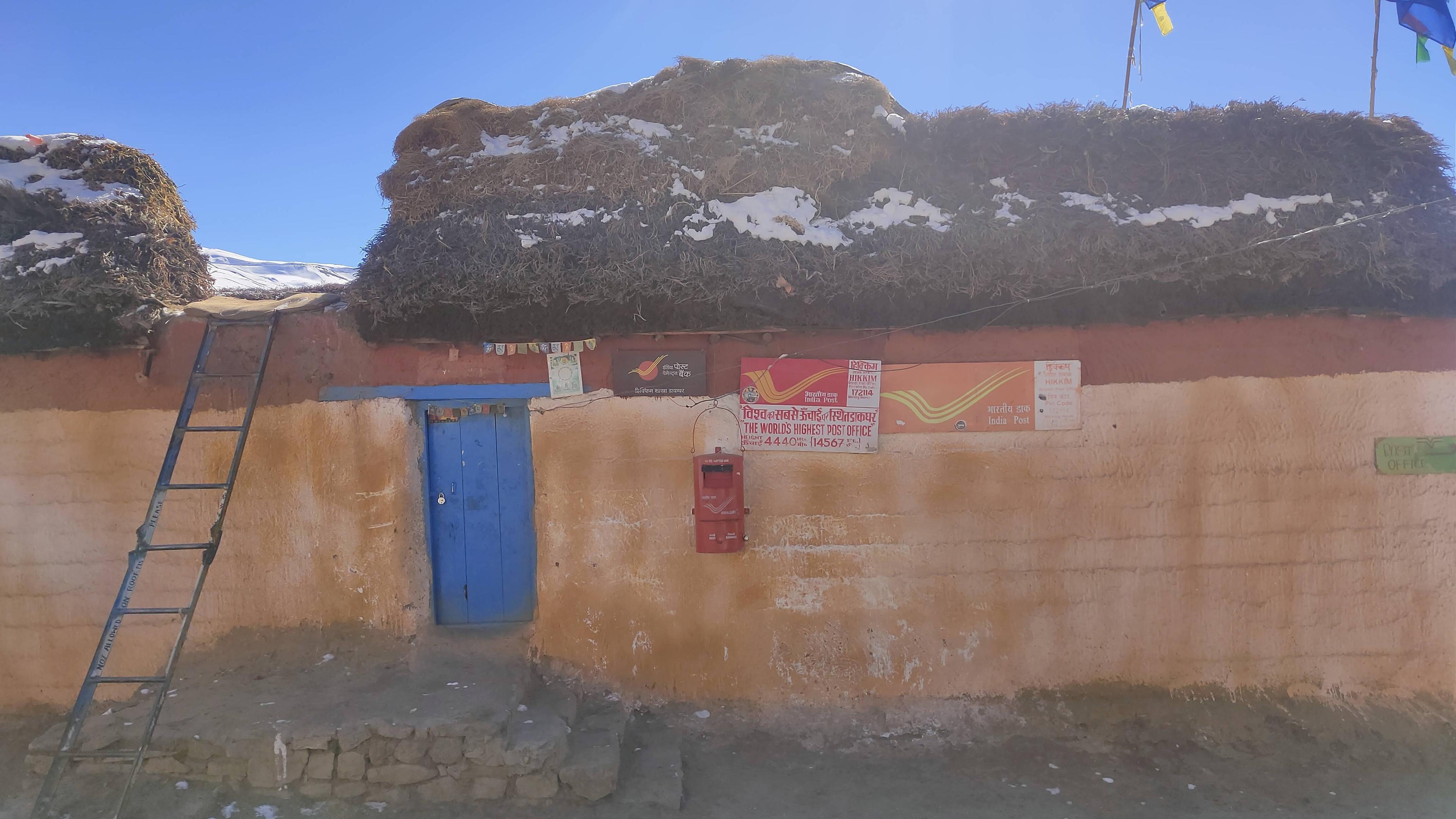
Kibber is known for its high-altitude village setting and expansive mountain scenery. Langza is recognized for its distinctive landscape and views of the surrounding mountains, while Komic offers a glimpse into life in a remote Himalayan settlement. Hikkim is widely known for its post office, which attracts visitors interested in sending a postcard from the mountains. Access to these villages in winter depends on snowfall, road conditions, local advice, and the day's safety assessment, so not every stop can be guaranteed.
The experience is not about rushing from one attraction to another. It is about enjoying the journey, observing the changing landscape, and discovering the quieter side of Spiti during its most distinctive season.
Experience Authentic Himalayan Homestay Life
One of the highlights of the Spiti Winter Homestay Trip is the opportunity to stay with local families in traditional Himalayan homes. Homestays provide a more personal way to experience the region than simply passing through its villages. After a day in the cold mountain air, return to a welcoming home, enjoy freshly prepared local food, and spend time learning about everyday life in Spiti. Depending on the host family and available facilities, you may experience traditional meals, local stories, regional customs, and the warmth of community life during winter. Homestay facilities can differ from one village to another. Rooms, heating arrangements, bathrooms, hot water, and other amenities may be simpler than those found in city hotels. These differences are part of travelling in a remote mountain region, and understanding them helps set realistic expectations for the trip. For travelers who value meaningful experiences over luxury, a homestay offers a chance to appreciate the hospitality, resilience, and traditions of the people who call Spiti home.
Explore Ancient Monasteries and Local Culture
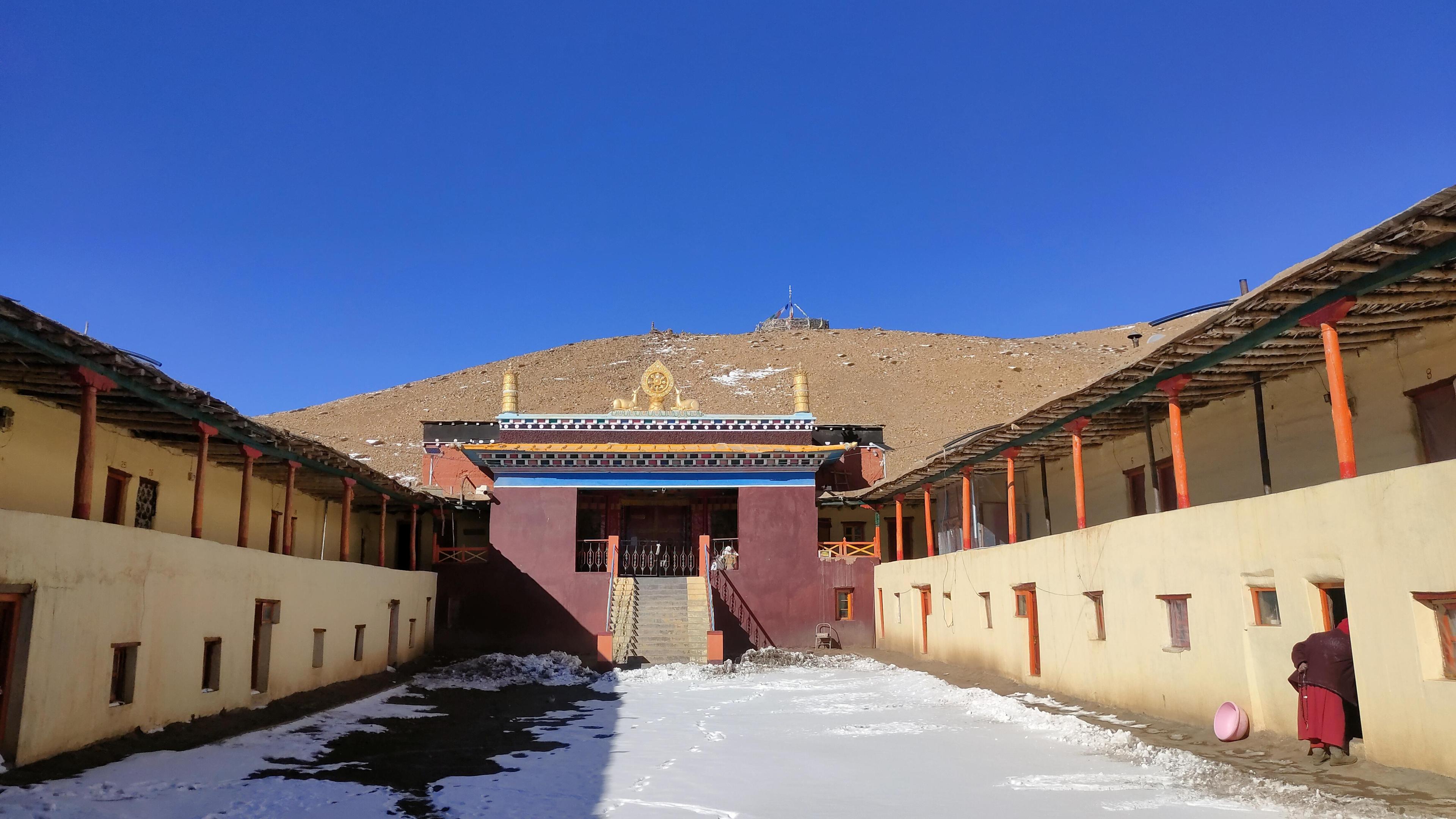
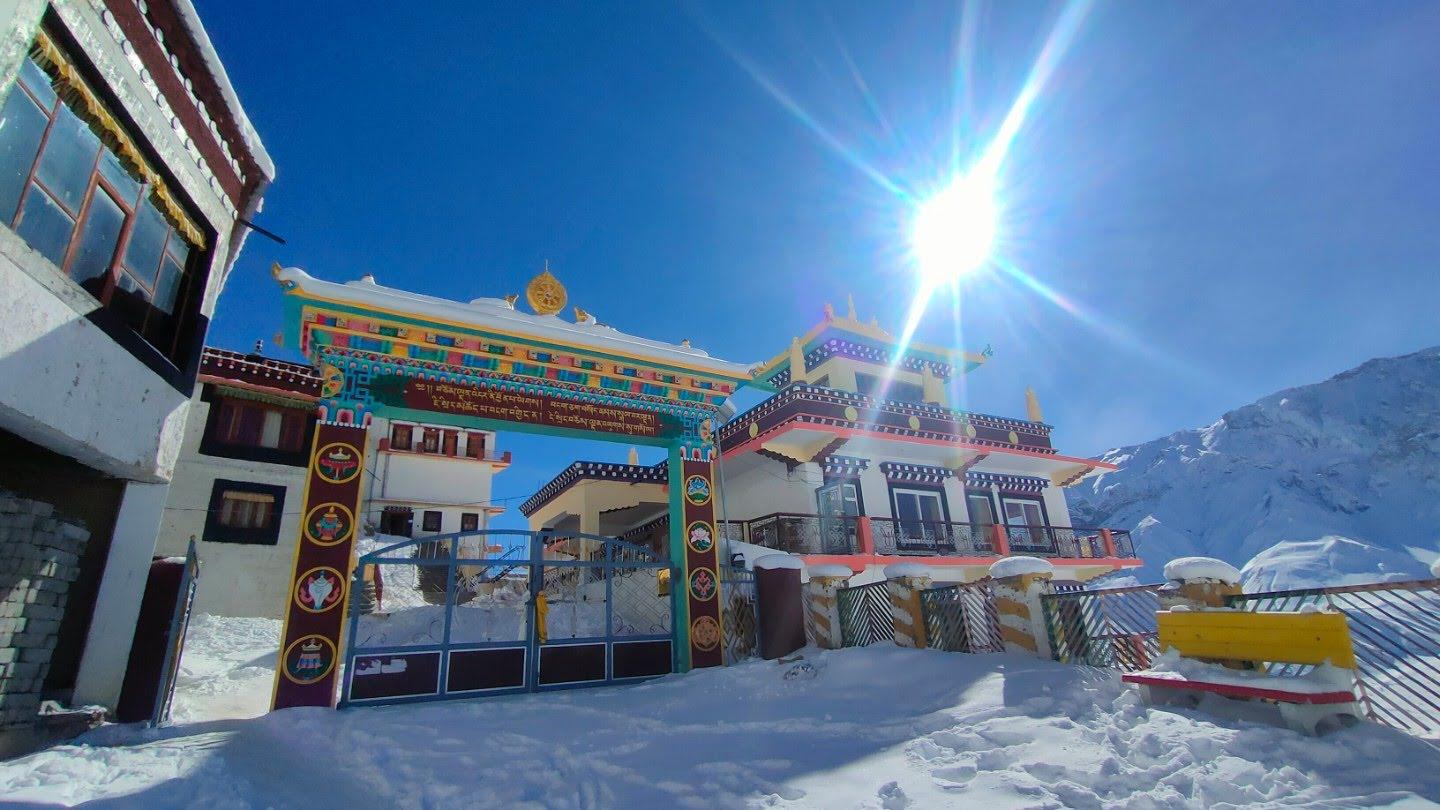
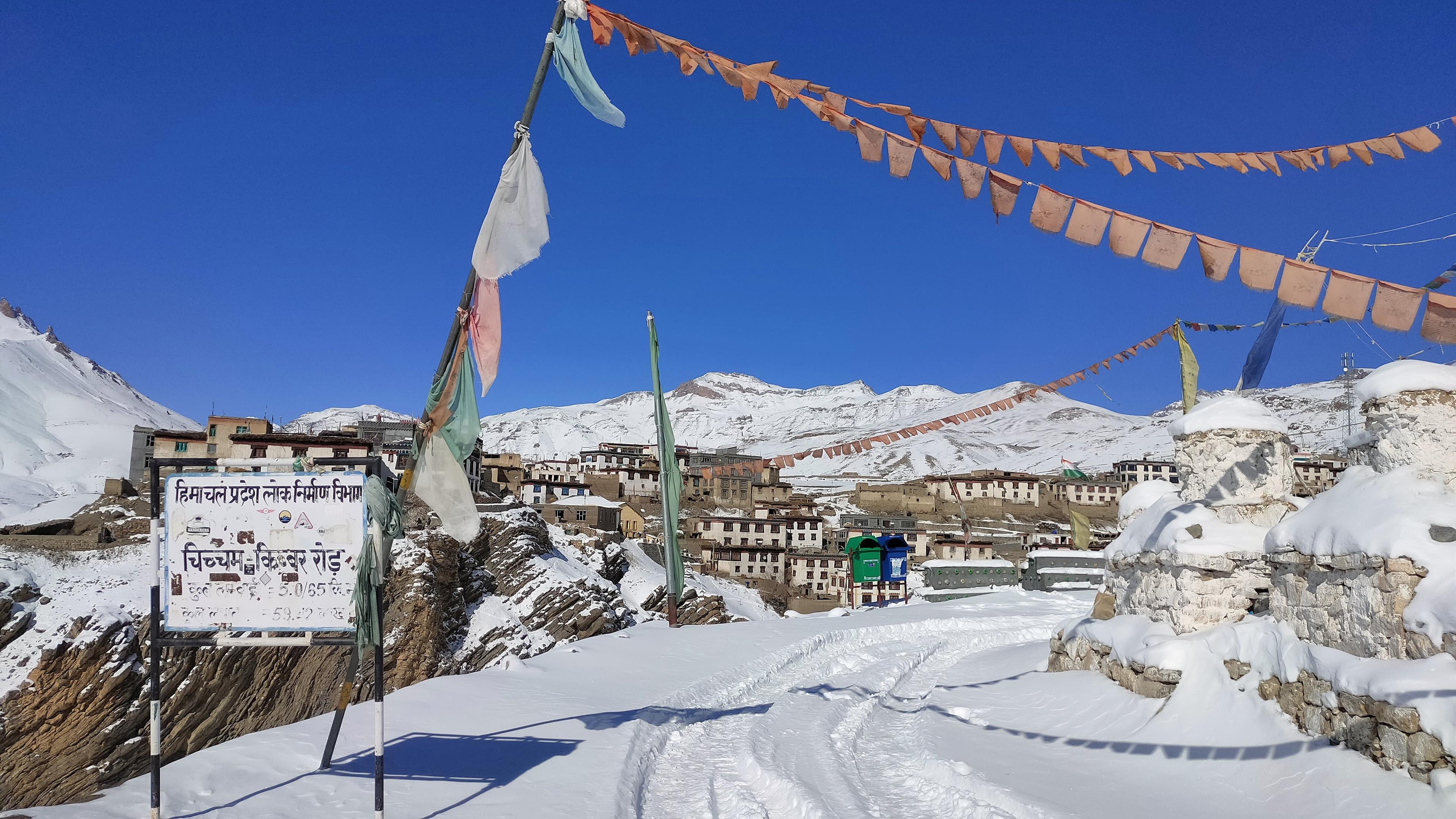
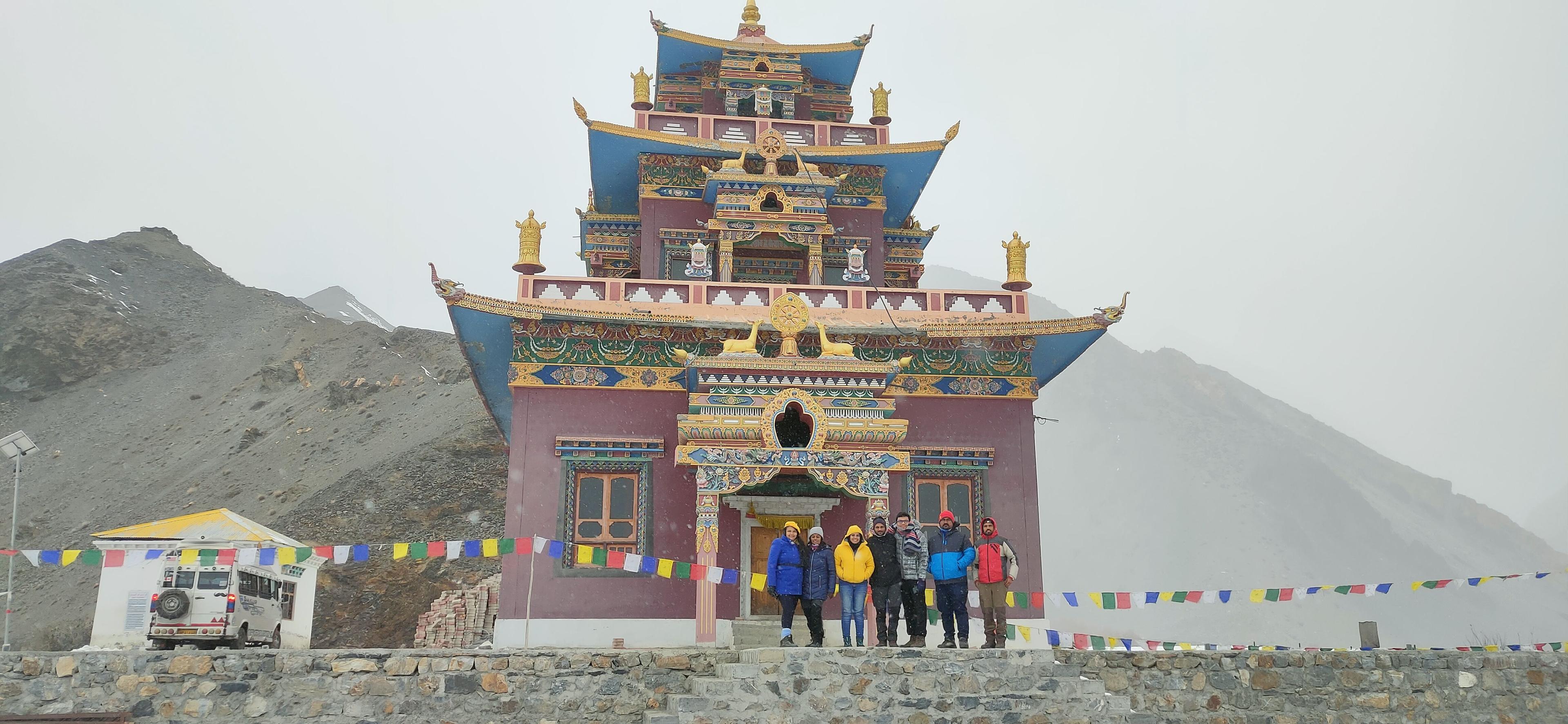
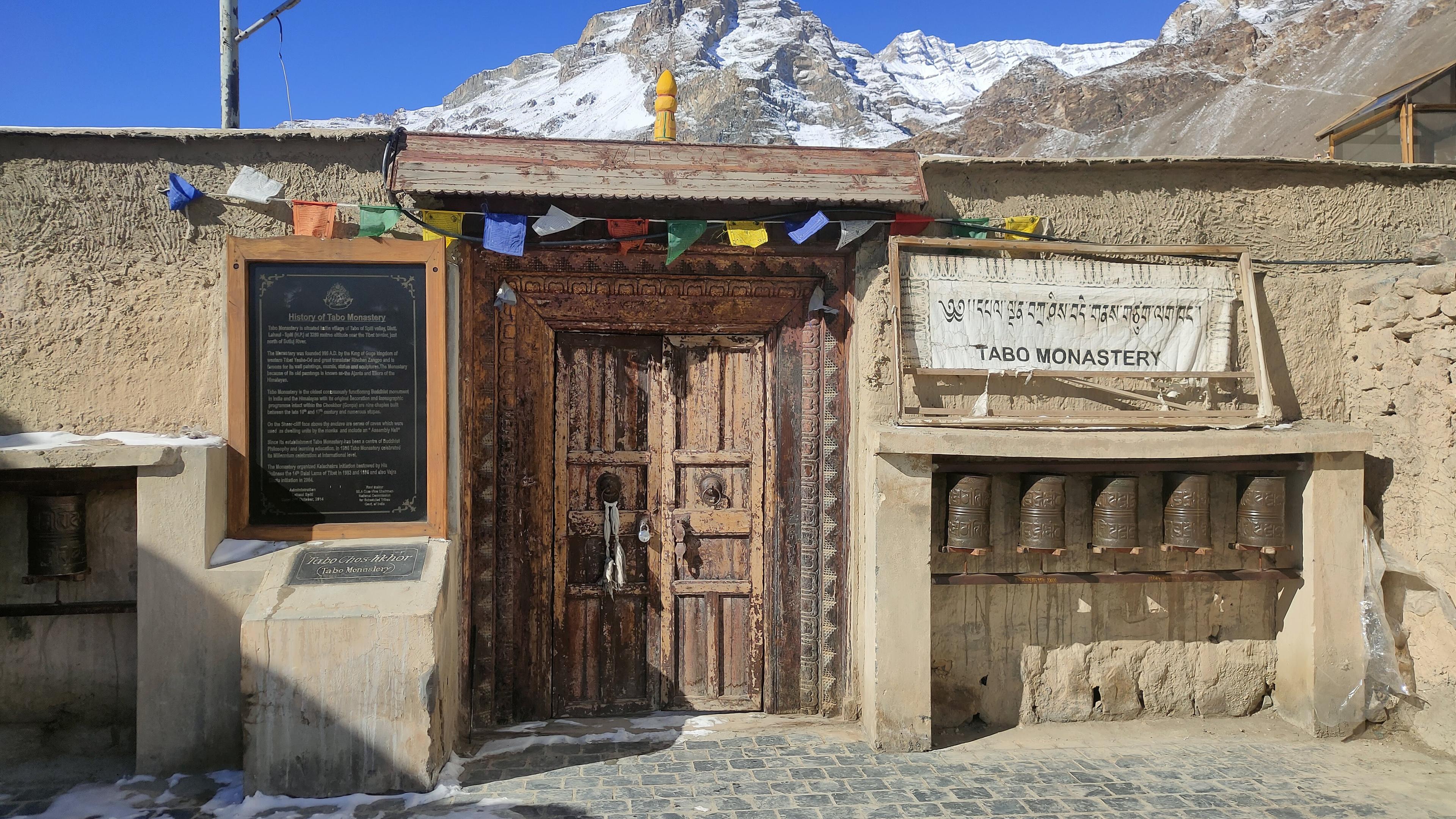
Spiti's cultural heritage is closely connected with Tibetan Buddhist traditions. Its monasteries, prayer flags, traditional homes, and village customs form an important part of the valley's identity. Depending on the confirmed itinerary and winter access, the trip may include visits to monasteries and cultural landmarks around the region. These visits provide an opportunity to understand local religious practices, architecture, and the historical connections that have shaped life in the Trans-Himalayas. Travellers should approach these places with respect. Follow local instructions, ask before photographing people or religious activities, and remember that monasteries are living places of worship rather than simply sightseeing attractions. Spending time in the villages can be just as rewarding as visiting well-known landmarks. A conversation with a local host, a quiet walk through a settlement, or a simple meal shared around a warm room can become one of the most memorable parts of the journey.
A Different Kind of Winter Adventure
The Spiti Winter Homestay Trip is ideal for people who enjoy road journeys, mountain scenery, photography, cultural exploration, and experiences away from crowded tourist destinations. It can also appeal to travellers who want to discover the Himalayas at a slower pace and experience a side of mountain life that many summer visitors never see. Winter travel in Spiti requires flexibility. Snowfall can change road conditions quickly, travel times may increase, and some destinations may become inaccessible. The itinerary must therefore remain adaptable, with safety taking priority over completing every planned stop. Travellers should be prepared for severe cold, high altitude, limited services in remote villages, and possible changes to accommodation or transport arrangements. Appropriate winter clothing, insulated footwear, gloves, head protection, and other cold-weather essentials are important. Spending time at altitude also requires sensible acclimatisation and awareness of symptoms associated with altitude illness. This is not a luxury resort holiday, nor is it a trip where every detail can be guaranteed regardless of the weather. It is a winter journey into a remote Himalayan region, where preparation, patience, and respect for local conditions are essential.
Travel Responsibly with Frontpoint Adventures
At Frontpoint Adventures, we believe that travelling in the mountains should be about more than collecting photographs or ticking destinations off a list. It should create an understanding of the landscape, respect for local communities, and appreciation for the people who make mountain travel possible. Our approach to the Spiti Winter Homestay Trip focuses on thoughtful planning, transparent communication, local hospitality, and responsible travel. We aim to help travelers experience the region while recognizing the realities of winter conditions and the importance of adapting plans when necessary. Supporting local homestays and services can also help visitors contribute directly to the communities they explore. By respecting local customs, minimizing waste, following local guidance, and treating the landscape carefully, travellers can help protect the character of Spiti for future visitors. Whether you are travelling with friends, as a couple, with family members who are comfortable with winter conditions, or as a solo traveler joining a group, this journey offers a chance to experience the Himalayas in a quieter and more personal way.
Highlights
- Homestays in Spiti’s highest winter villages (Kibber, Langza, Chicham)
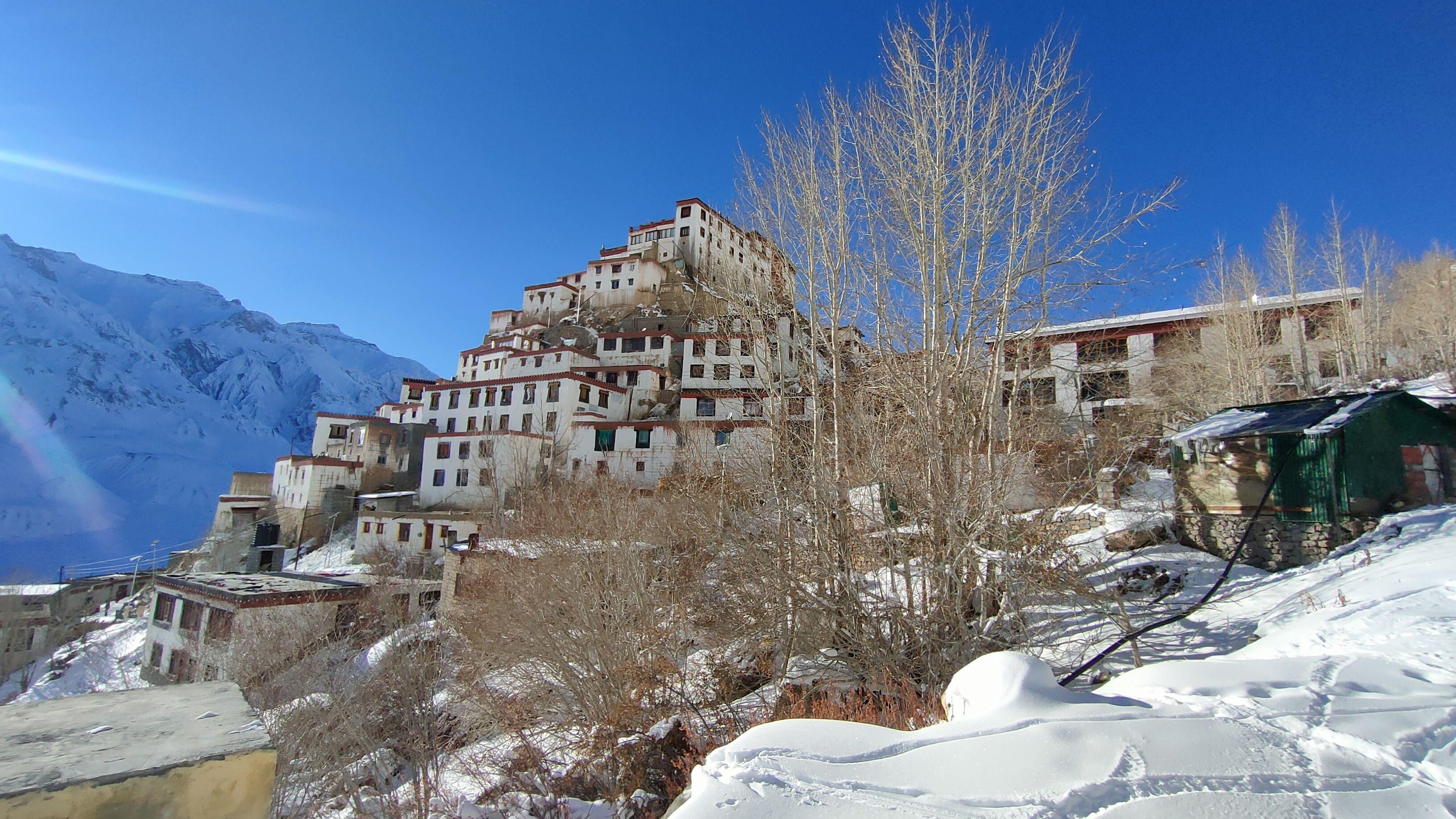
- Key Monastery and the frozen Dhankar Lake under snow
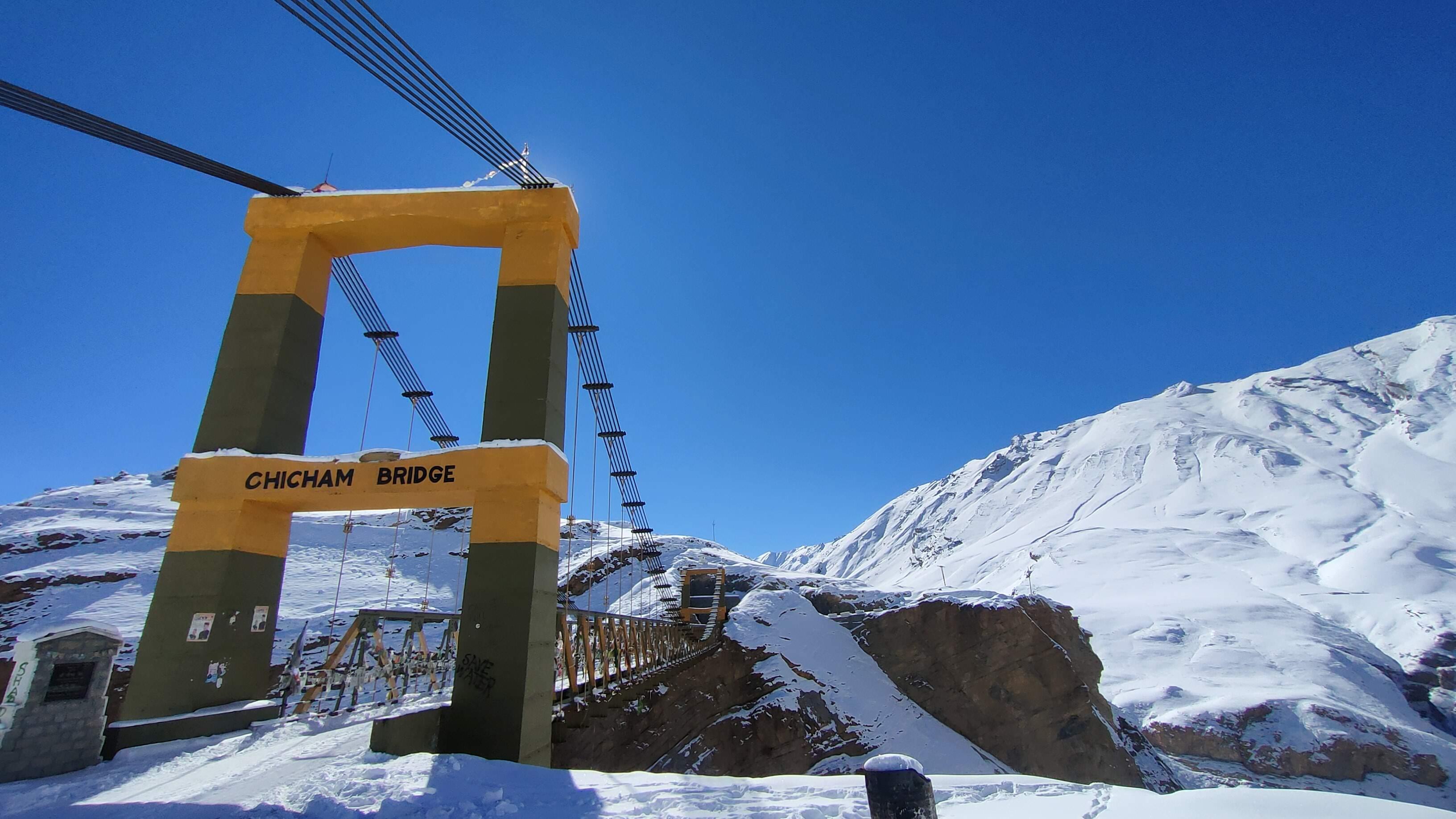
- The world’s highest bridge at Chicham
- A real chance of sighting the elusive snow leopard
From
₹34,999
per person
- Free reschedule up to 21 days out
- Small groups, certified mountain leaders
- Oximeter, oxygen & evacuation plan on every route
Day by day
The itinerary
9 days from Kaza. Tap any day to read the detail — distances and altitudes are planning figures and may shift with conditions.
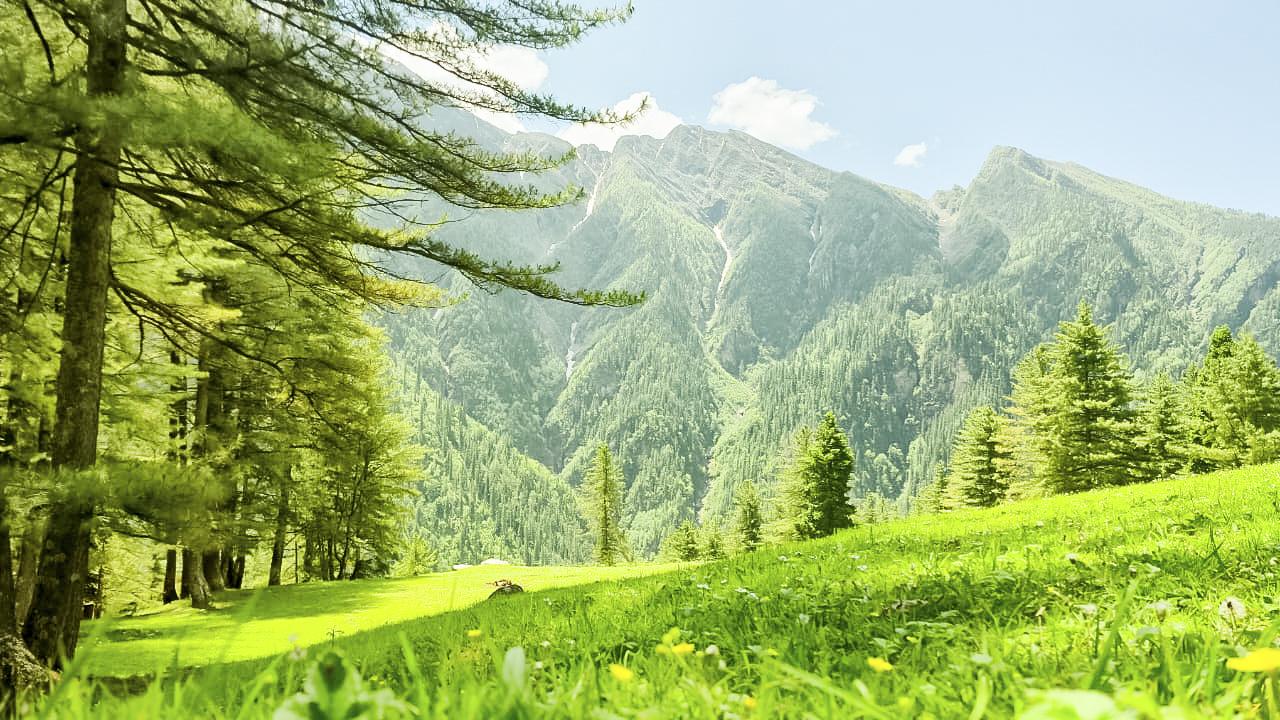
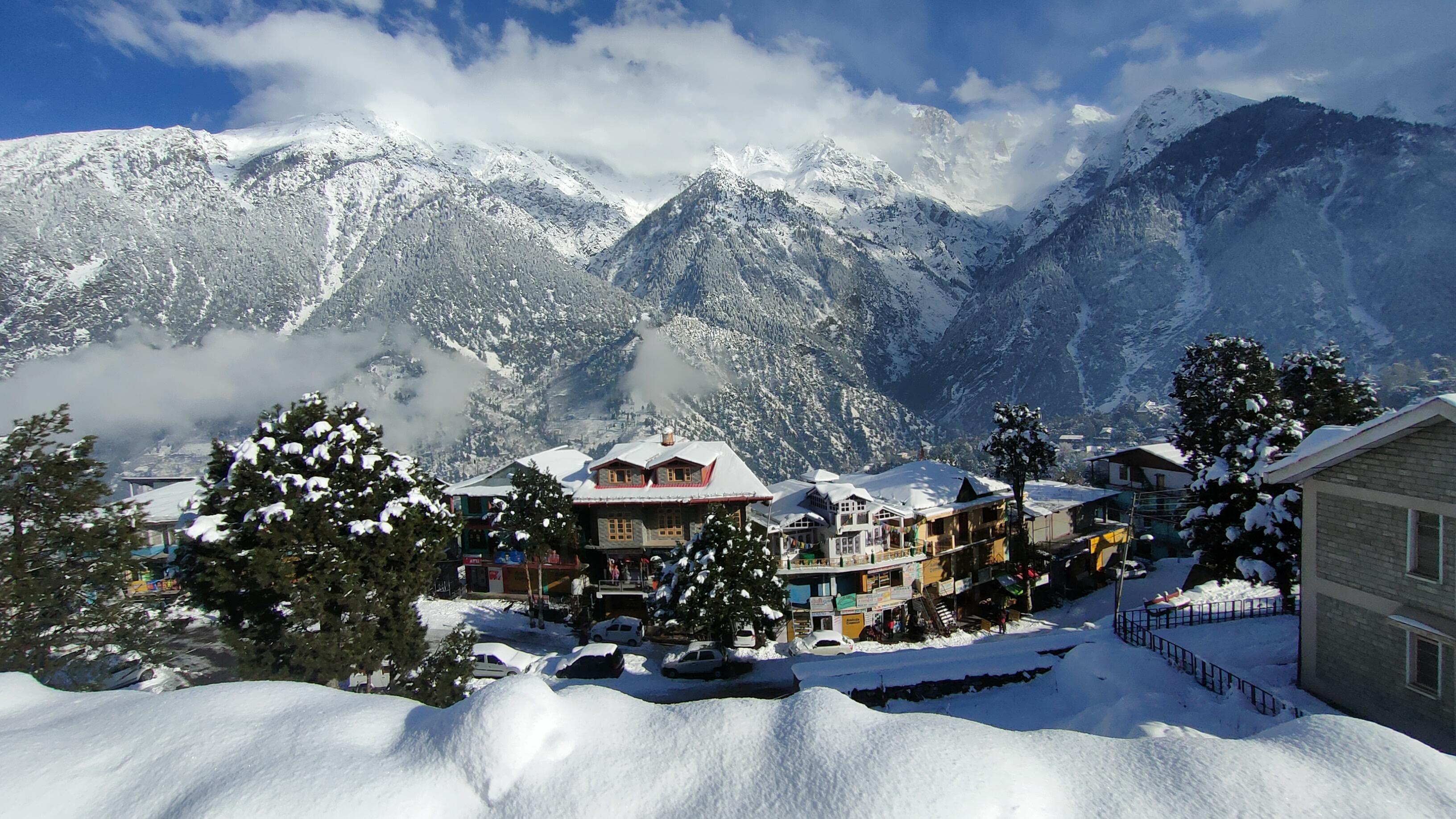
Given how remote the district of Spiti is, to get there is a time-consuming endeavor. The first leg of trying to make our way into this virgin land involves a 225km road trip through the Kinnaur valley to Kalpa. Kalpa is a small mountain village in Sutlej valley above Reckong Peo. This charming village sits at the base of Kinner Kailsah range which remains covered in snow all through winters. The wooden huts, the beauty of the village against the backdrop of the bright warm colors at dusk, sitting by the river, locals shepherding their sheep in hundreds and the overall way of life in this high-altitude village are some things you might not want to miss. We assemble in Shimla early morning by 07:30 hours at a pre-decided location, and leave for this far away village latest by 8 AM. The first three hours of the drive is through cities and thickly habited areas which leads to a calmer road lined with forests that start to thin out as the journey along the Sutlej river progresses. Expect to reach by late evening.
What's included
- Homestay and guest-house accommodation on twin/triple sharing
- All meals through the trail (home-cooked)
- All internal transport by vehicle per the itinerary
- Certified trip leader, local guides and support staff
- Permits and first-aid support
Not included
- Transport to and from the base (available at extra cost)
- Personal trekking gear, insurance and offloading charges
- Anything not listed under inclusions
In the field
The country you'll walk
Ready when you are
Walk Spiti Winter Homestay Trip with us
Small groups, honest briefings and a crew that has done this route many times over. From ₹34,999 per person.
Keep exploring