Himachal Pradesh · India
Indrasan Expedition
A highly technical 6,221 m Pir Panjal giant
The trek
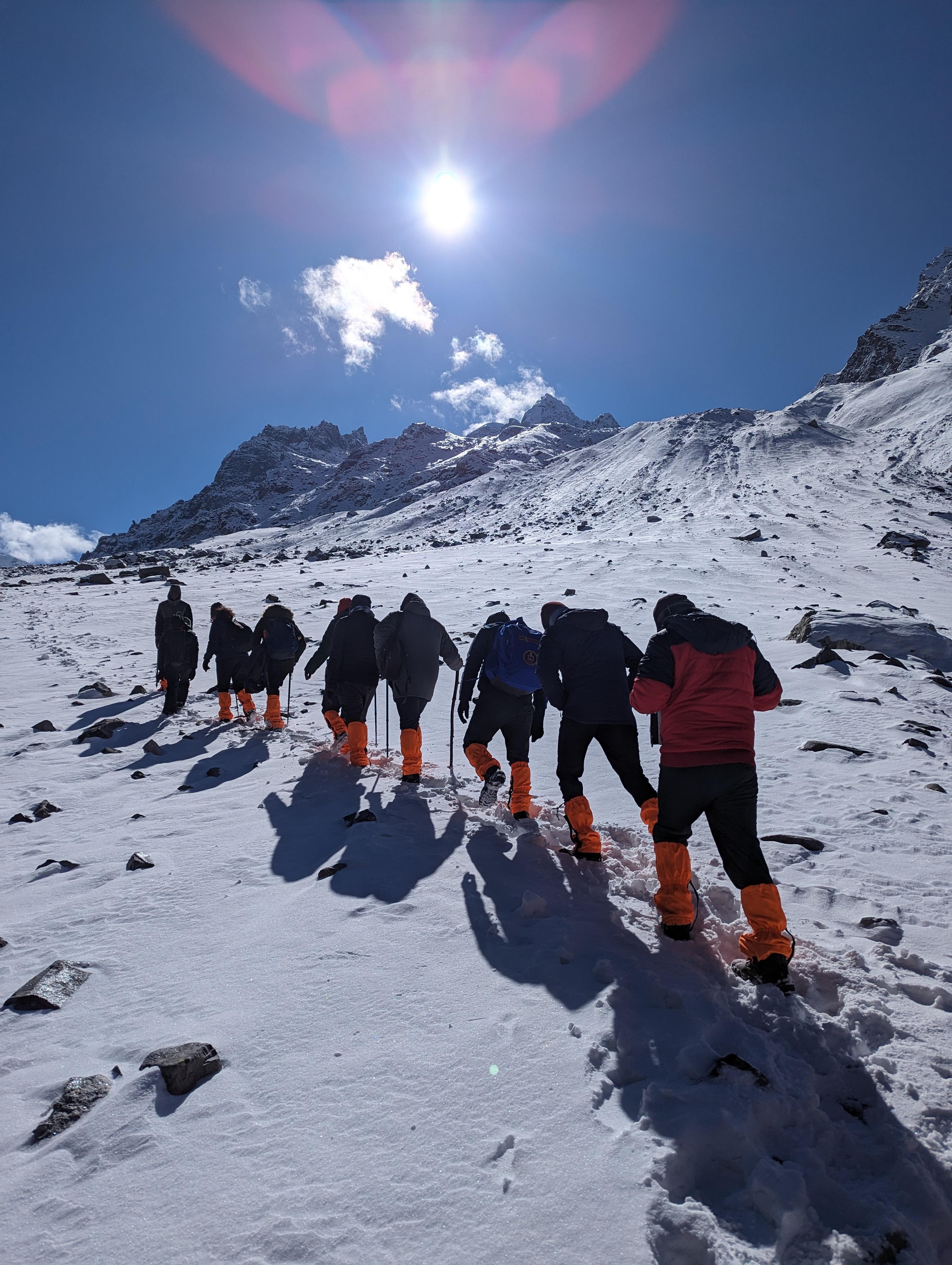
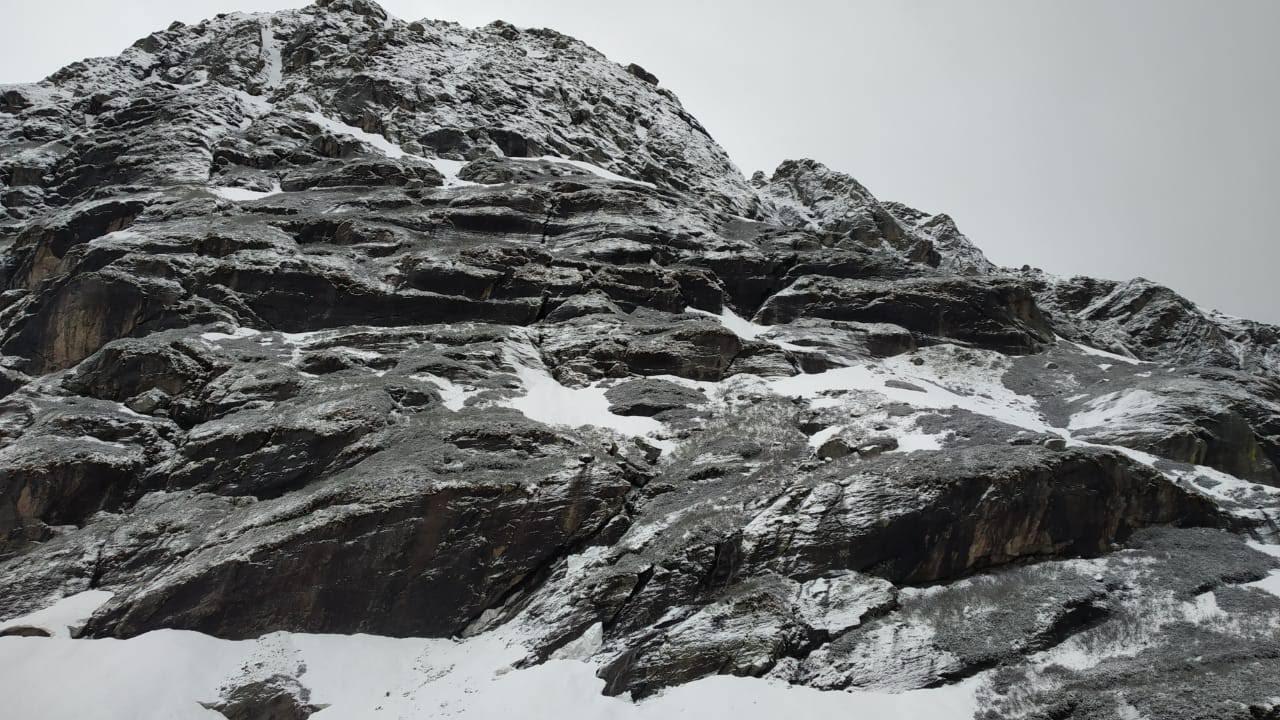
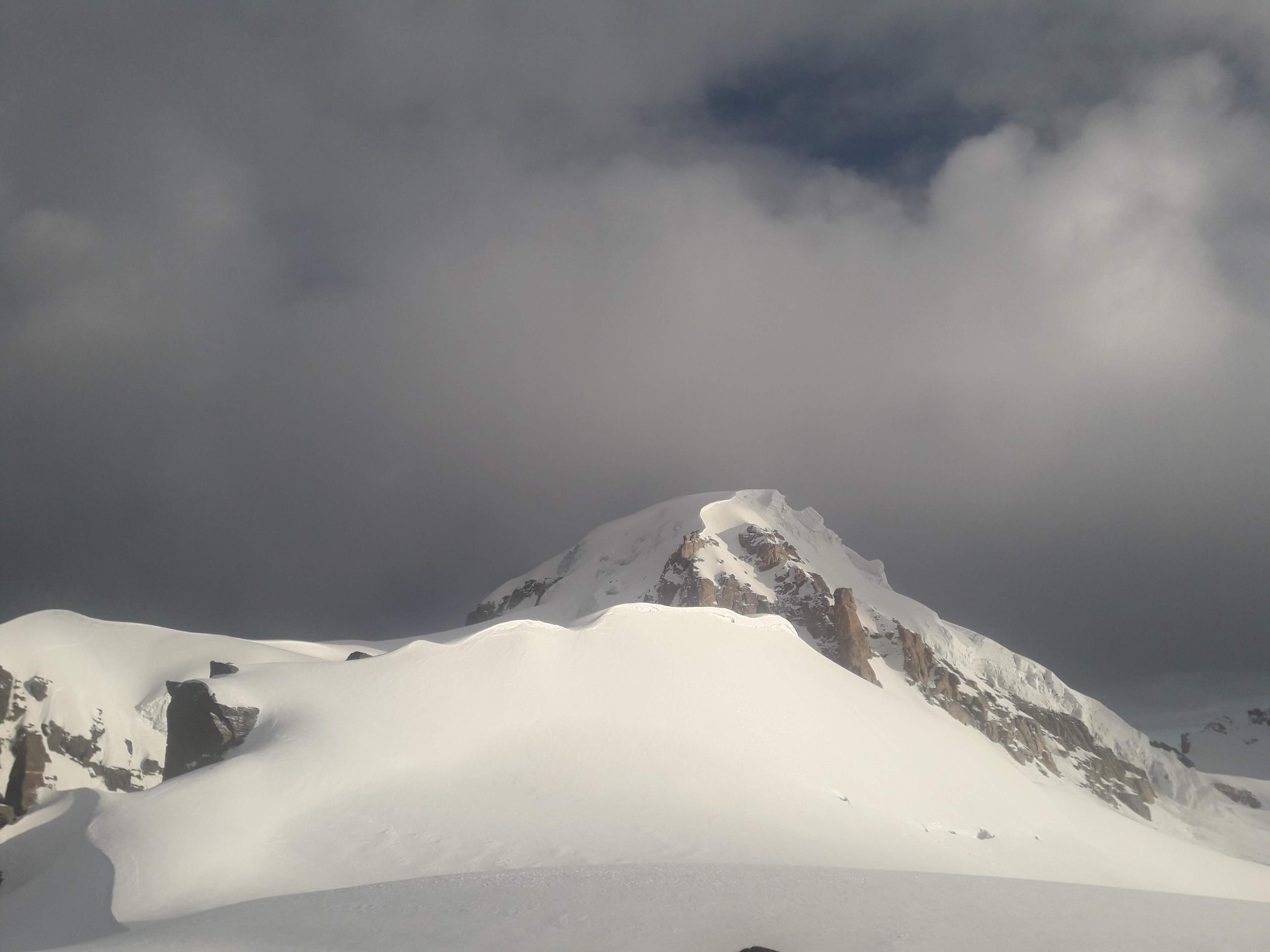
Dominating the eastern horizon of the Kullu Valley in Himachal Pradesh, Mount Indrasan ascends to a soaring summit altitude of 20,410 feet (6,221 m). Revered in Hindu mythology as the sacred "Throne of Indra" (King of the Gods), Indrasan is the undisputed supreme summit of the Pir Panjal Range. While its glaciated twin, Mount Deo Tibba (6,001 m), presents a broad, snow-domed summit, Indrasan is a formidable, fang-like fortress of sheer granite walls, hanging seracs, overhanging rock towers, and razor-sharp arêtes.
The Indrasan Peak Expedition by Frontpoint Adventures is a demanding high-altitude mountaineering adventure in the Kullu-Manali region of Himachal Pradesh, India. Rising to approximately 6,221 meters (20,410 feet), Mount Indrasan is a formidable Himalayan peak known for its imposing profile, steep climbing terrain and challenging alpine environment. For experienced mountaineers, the expedition presents an opportunity to take on a serious technical objective in one of the most spectacular mountain regions of the Indian Himalayas.
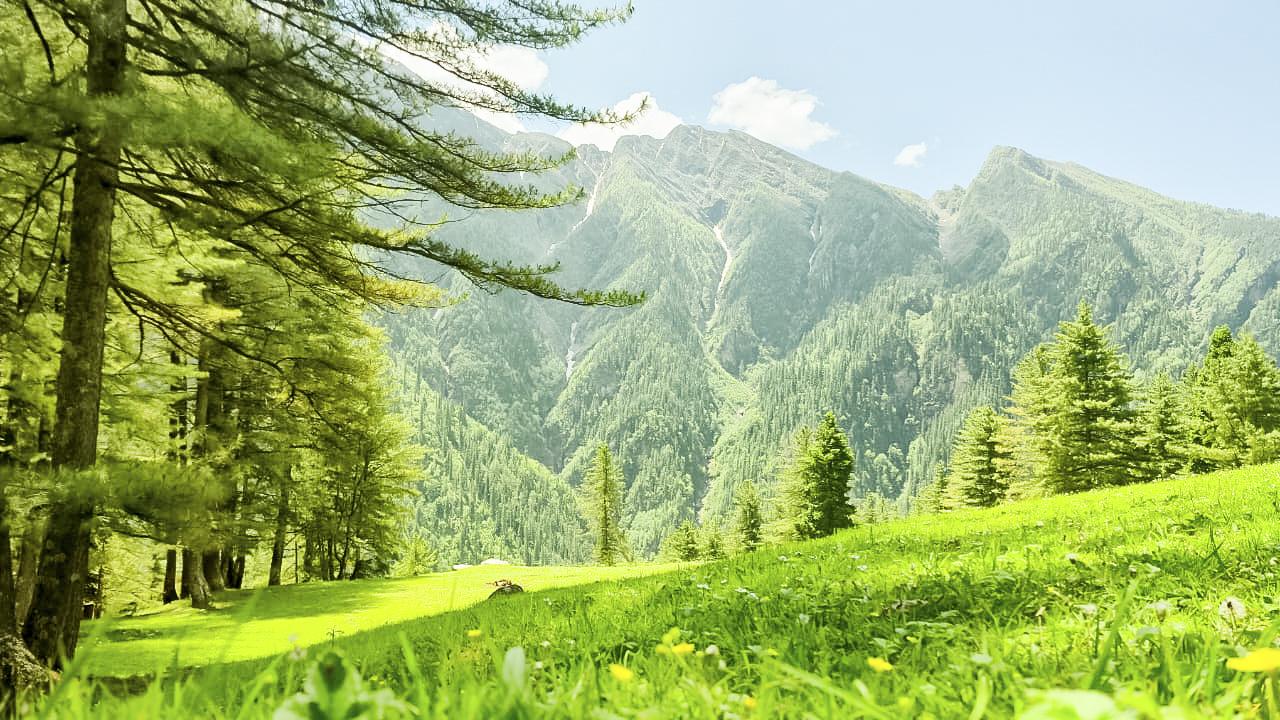
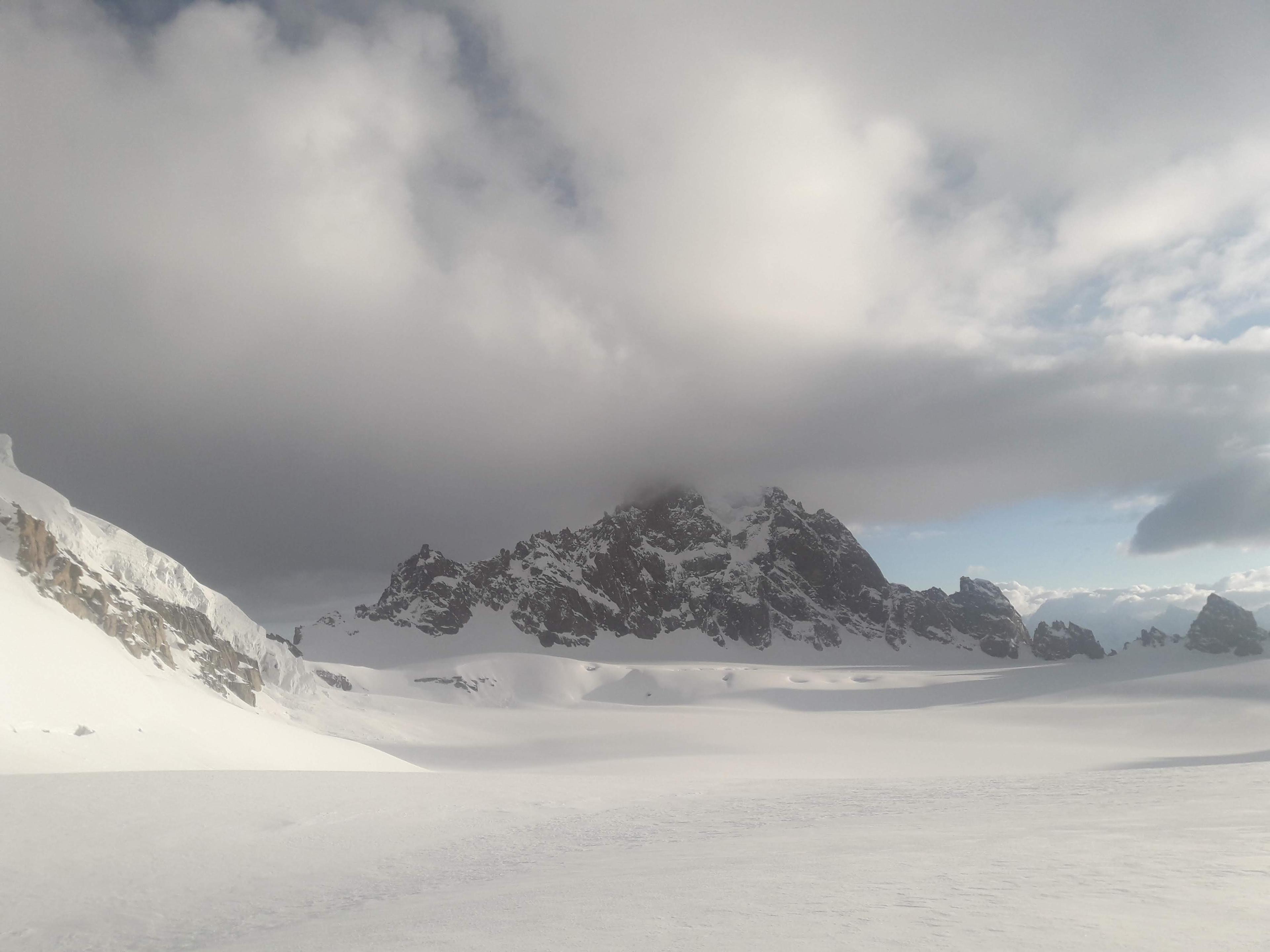
Located in the Pir Panjal region near Manali, Indrasan rises above a dramatic landscape of glacial valleys, rugged ridges, snowfields and towering neighbouring summits. Its proximity to Mount Deo Tibba adds to the appeal of this remote alpine setting, where changing weather, high altitude and technical terrain demand careful planning at every stage.
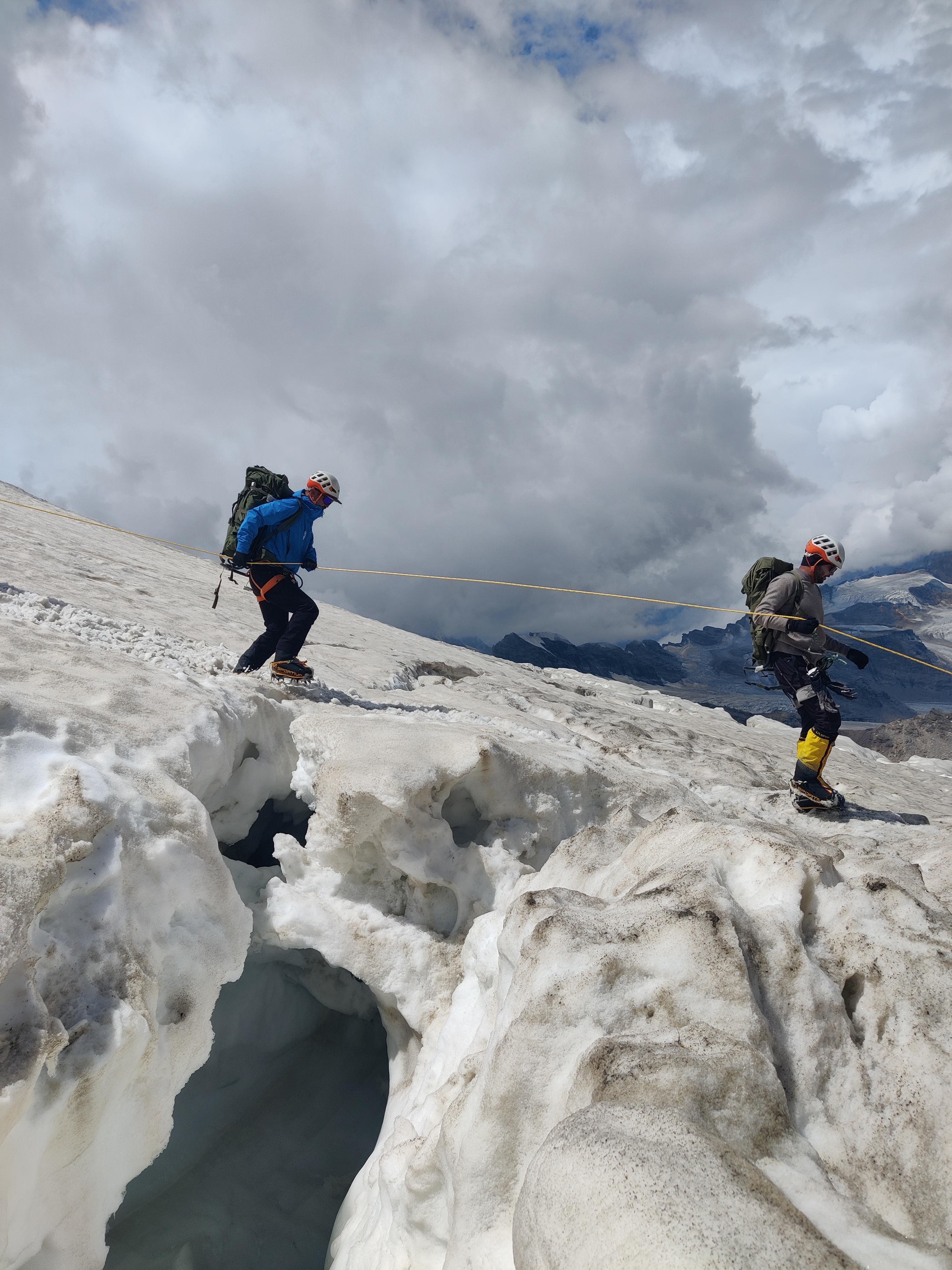
Unlike a conventional Himalayan trek, the Indrasan Peak climbing expedition requires substantial mountaineering experience, strong physical conditioning and advanced technical skills. The ascent may involve steep snow and ice, glacier travel, exposed ridges and challenging climbing sections, depending on the chosen route and prevailing conditions. It is an objective for climbers who understand the demands of high-altitude expeditions and can operate responsibly in complex mountain terrain.
A Serious Technical Mountaineering Objective
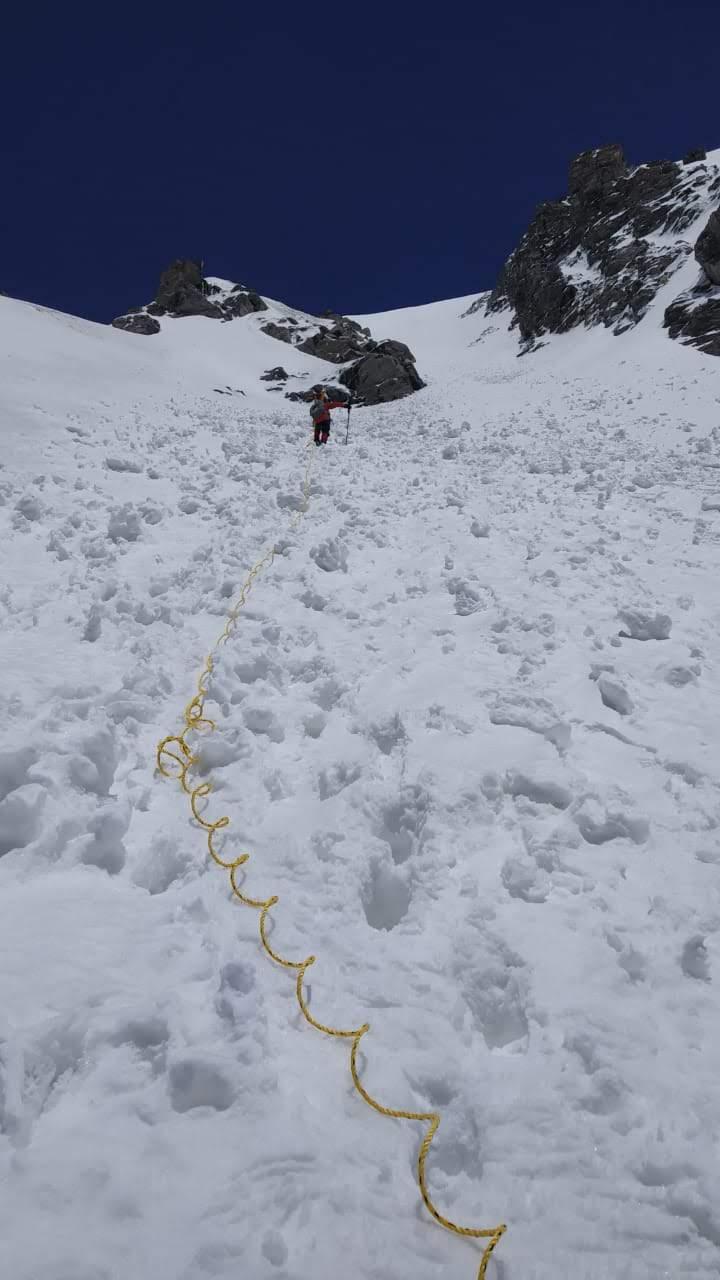
The defining feature of the Indrasan Peak Expedition is the technical challenge of reaching the summit. At more than 6,200 metres, the mountain combines high-altitude exertion with terrain that can demand advanced alpine climbing skills. Depending on the selected route and conditions, climbers may encounter steep snow and ice slopes, mixed rock-and-ice sections, glacier crossings and exposed ridges. Such terrain requires precise movement, efficient rope management and the ability to assess hazards while operating at altitude. Technical equipment may include high-altitude mountaineering boots, crampons, ice axes or technical ice tools, helmets, harnesses, ropes, ice screws and suitable snow or ice protection. The exact equipment list must be established by qualified expedition leaders after assessing the route and expected conditions. Indrasan is not an appropriate objective for inexperienced trekkers or climbers without the necessary technical background. Participants should have substantial mountaineering experience, including demonstrated competence on steep snow and ice, glacier travel, rope systems and exposed alpine terrain. Strong fitness is essential, but it cannot replace technical ability or sound judgement.
Base Camp and Acclimatization
Reaching base camp marks the beginning of the main expedition phase. The team must organise equipment, review the climbing plan, monitor weather forecasts and allow sufficient time for acclimatisation before moving to higher elevations. Depending on the chosen route, the expedition may involve an advanced base camp and additional high camps. Establishing these camps requires careful management of supplies, climbing equipment, tents, food and fuel. Load carries and technical preparation may form part of the process, and the schedule should allow flexibility for changes in weather or snow conditions. Acclimatization is particularly important on a mountain above 6,000 metres. As elevation increases, the body receives less oxygen, making sustained physical effort more difficult. Climbers should monitor their condition, remain adequately hydrated and report symptoms such as persistent headaches, nausea, dizziness or unusual fatigue to the expedition leadership.
The Summit Push on Mount Indrasan
The summit attempt is the central objective of the Indrasan Peak Expedition. It requires a suitable weather window, a carefully assessed route and a team that is physically and technically ready for the climb. Depending on the route, the ascent may involve sustained climbing on snow and ice, exposed sections and complex rope work. At this altitude, even experienced mountaineers can experience significant fatigue and slower movement. Careful pacing, communication and attention to changing conditions are essential. The upper mountain demands disciplined decision-making. Snow stability, wind, visibility, temperature and the condition of the climbing team can all influence whether it is safe to continue. The expedition leader must be able to reassess the plan throughout the ascent and make timely decisions about turning around. A summit is never guaranteed, and reaching the highest point is only one part of a successful expedition. Returning safely through difficult terrain is equally important. At Frontpoint Adventures, we believe responsible mountaineering means respecting the mountain's limits as well as our own.
Who Should Join the Indrasan Peak Expedition?
The Indrasan Peak Expedition in Himachal Pradesh is intended for highly experienced and technically competent mountaineers. Participants should have completed appropriate mountaineering training and have previous experience on demanding high-altitude peaks that demonstrates readiness for sustained technical climbing. Climbers should be proficient in crampon and ice-tool use, glacier travel, rope management, belaying, fixed-rope systems and relevant rescue procedures. Experience on steep snow and ice, exposed ridges and multi-day expeditions at altitude is particularly valuable. Physical preparation should include sustained endurance training, uphill hiking with a load, strength development and practice moving efficiently in mountaineering equipment. Technical skills should be refreshed under qualified supervision before departure. Mental preparation is equally important. Long climbing days, cold temperatures, limited rest and changing plans require patience, teamwork and the ability to make sound decisions under pressure. Participants must be willing to follow the expedition leader's instructions and priorities safety over summit ambition.
Why Choose Frontpoint Adventures?
At Frontpoint Adventures, we believe that serious mountaineering begins with honest preparation and continues through responsible decisions on the mountain. A technical expedition requires more than a planned itinerary: it needs suitable leadership, clear communication, appropriate equipment, realistic expectations and the flexibility to adapt. For an objective such as Indrasan, expedition planning should focus on participant eligibility, route assessment, acclimatisation, technical systems, weather monitoring, communication and emergency arrangements. Climbers should understand the demands of the route before confirming their participation. We value teamwork, transparent planning and respect for the fragile Himalayan environment. Responsible climbing means reducing avoidable risks, managing waste carefully and treating local communities and mountain landscapes with consideration. Our aim is to help experienced mountaineers approach their expedition with purpose, discipline and an understanding of what a serious high-altitude climb demands.
Safety Matrix
Rigorous Technical Prerequisites: Indrasan is strictly reserved for elite, veteran mountaineers. Applicants must demonstrate prior technical summit success on peaks above 6,000 meters (such as Mount Deo Tibba, Black Peak, or Mount Nun) alongside formal certifications in Advanced Mountaineering Courses (AMC) or international equivalents. Total fluency in high-angle mixed climbing, multi-pitch abseiling, and jumar transfers on vertical faces is mandatory. Objective Rockfall & Serac Mitigation: The couloir leading to the Duhangan Col and the rock gullies on the West Ridge become hazardous during warm, sunny afternoons. All movements through vertical chutes are scheduled during early morning sub-zero hours when rock and ice are solidly frozen. Turnaround Cutoff (TAT): A non-negotiable summit turnaround cutoff of 8:30 AM is strictly enforced. Any climber who has not breached the final summit arête by this cutoff must reverse course with their dedicated guide to prevent descent down vertical headwalls under softened, dangerous afternoon snow conditions.
Highlights
- A 6,221 m summit — the high point of the Kullu Himalaya
- Sustained technical climbing on rock, snow and ice
- A classic hard peak beside Deo Tibba
- A full multi-camp expedition with high-altitude support
From
₹1,29,998
per person
- Free reschedule up to 21 days out
- Small groups, certified mountain leaders
- Oximeter, oxygen & evacuation plan on every route
Day by day
The itinerary
18 days from Manali. Tap any day to read the detail — distances and altitudes are planning figures and may shift with conditions.
Reach Manali at around 2,050 m for the gathering, gear check and expedition briefing.
What's included
- Twin/triple-sharing tents and all camp equipment
- All meals on the expedition (veg, freshly cooked)
- Certified mountaineering guides, Sherpas and high-altitude support
- Peak/climbing permits and technical group gear (fixed ropes, ice screws, snow bars)
- First-aid, oximeter and emergency oxygen
Not included
- Transport to and from Manali
- Personal climbing gear, insurance and offloading charges
- Anything not listed under inclusions
In the field
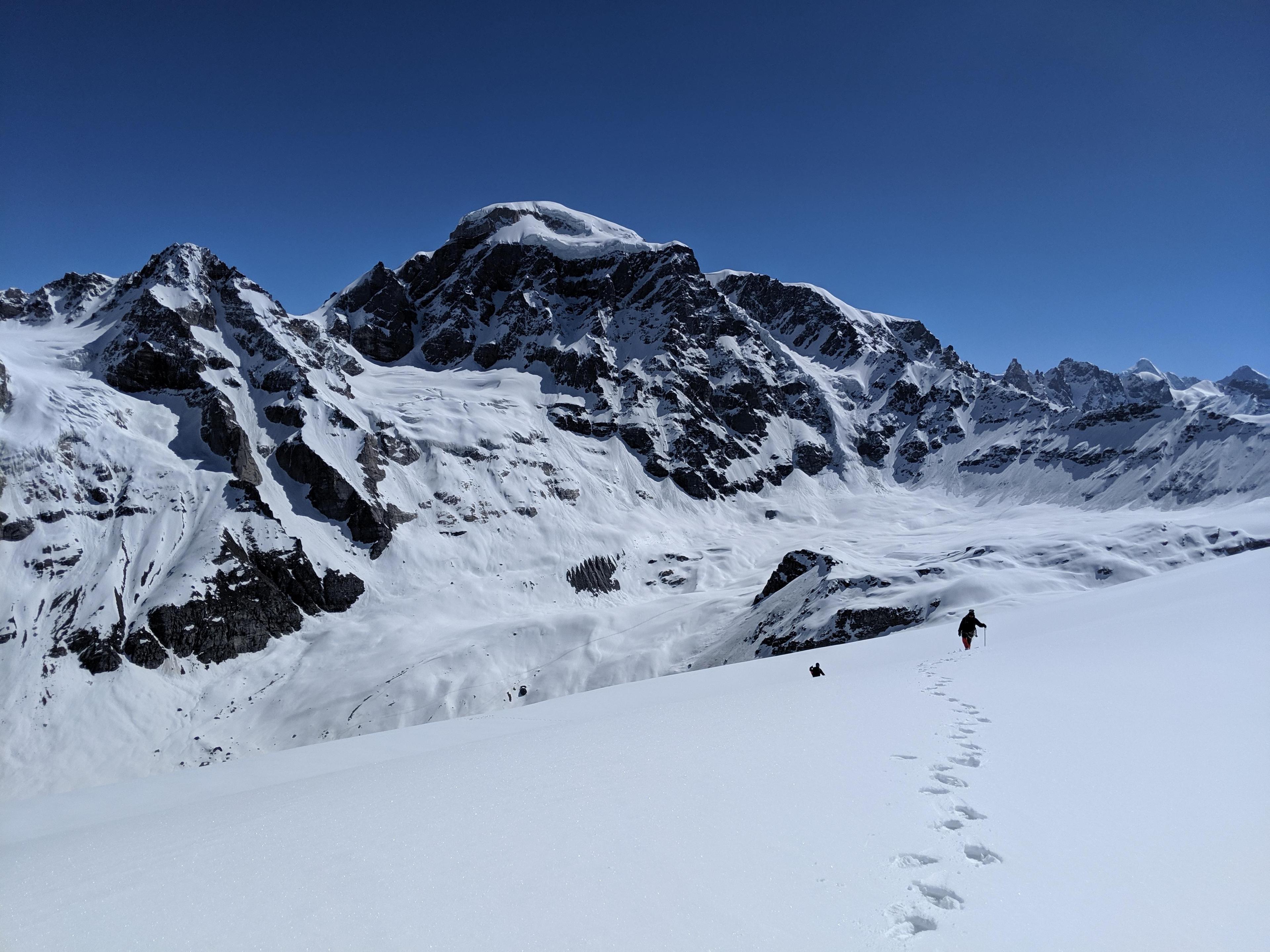
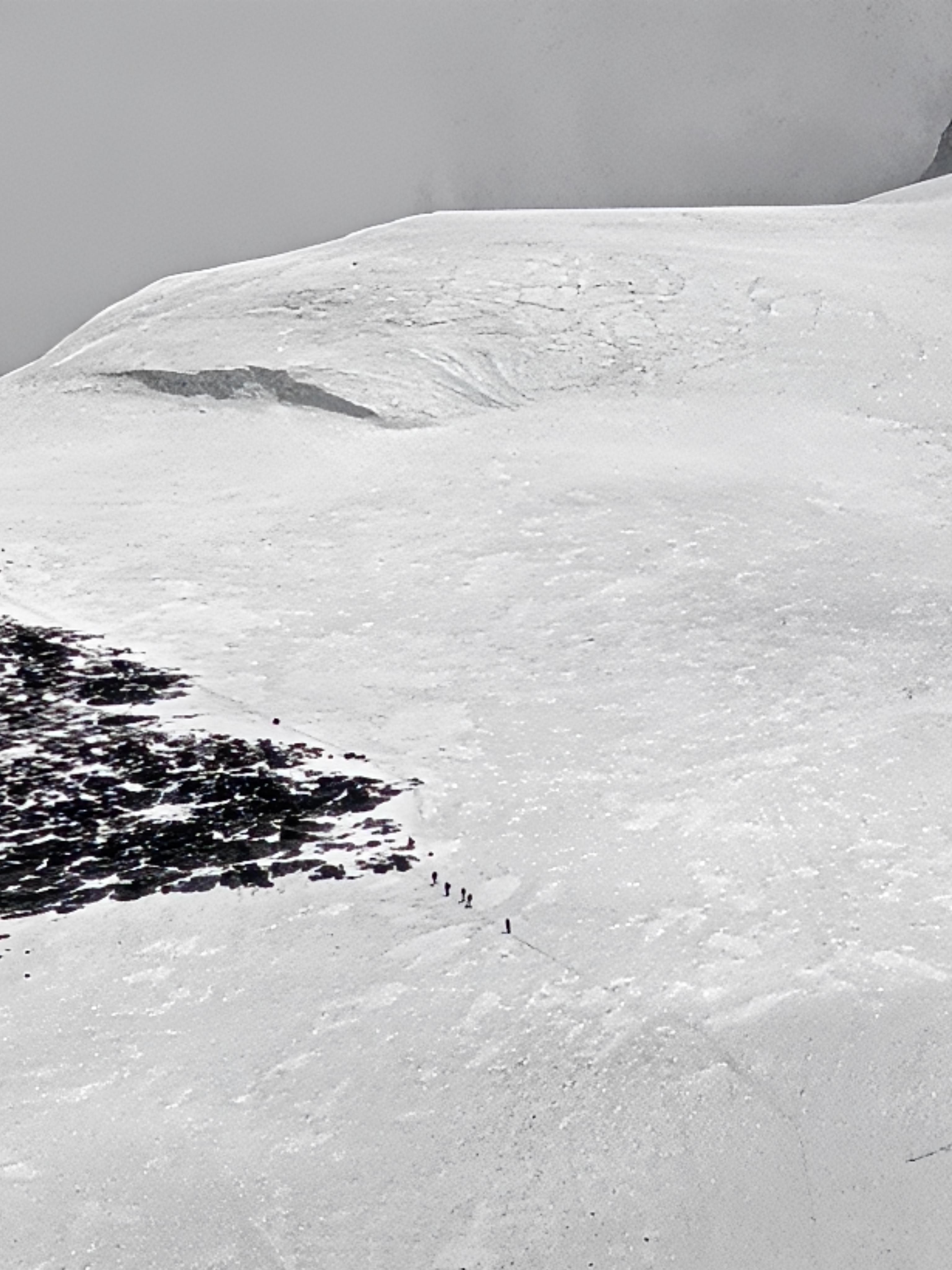
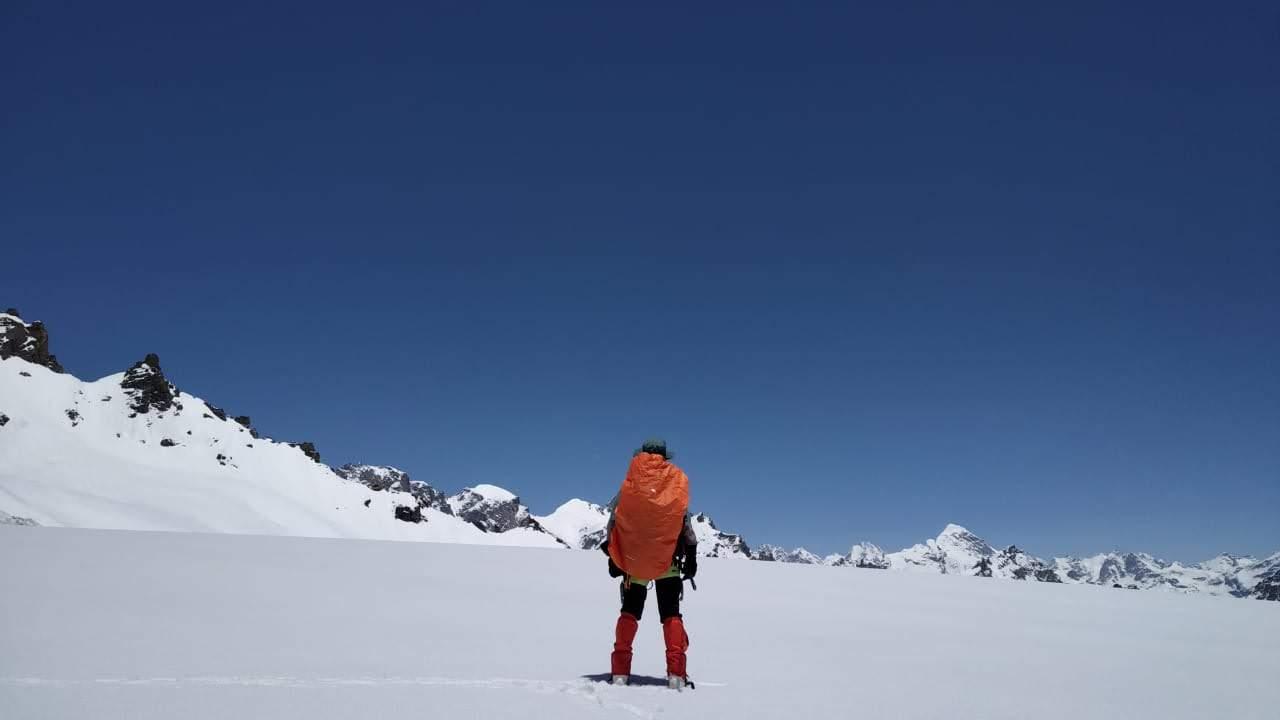
The country you'll walk

Ready when you are
Walk Indrasan Expedition with us
Small groups, honest briefings and a crew that has done this route many times over. From ₹1,29,998 per person.
Keep exploring