Himachal Pradesh · India
Hanuman-Tibba Expedition
A technical snow-and-ice peak above Beas Kund
The trek
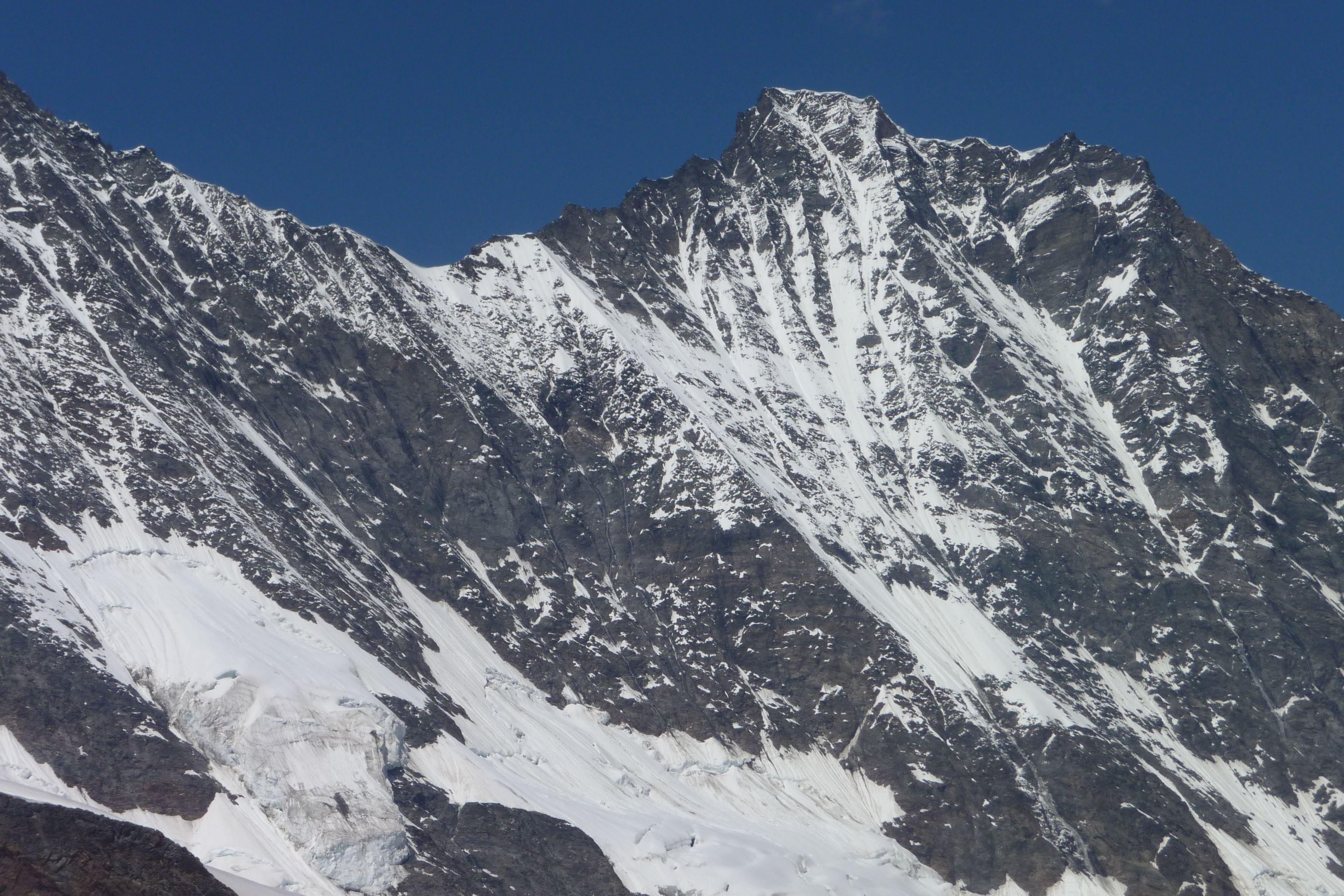
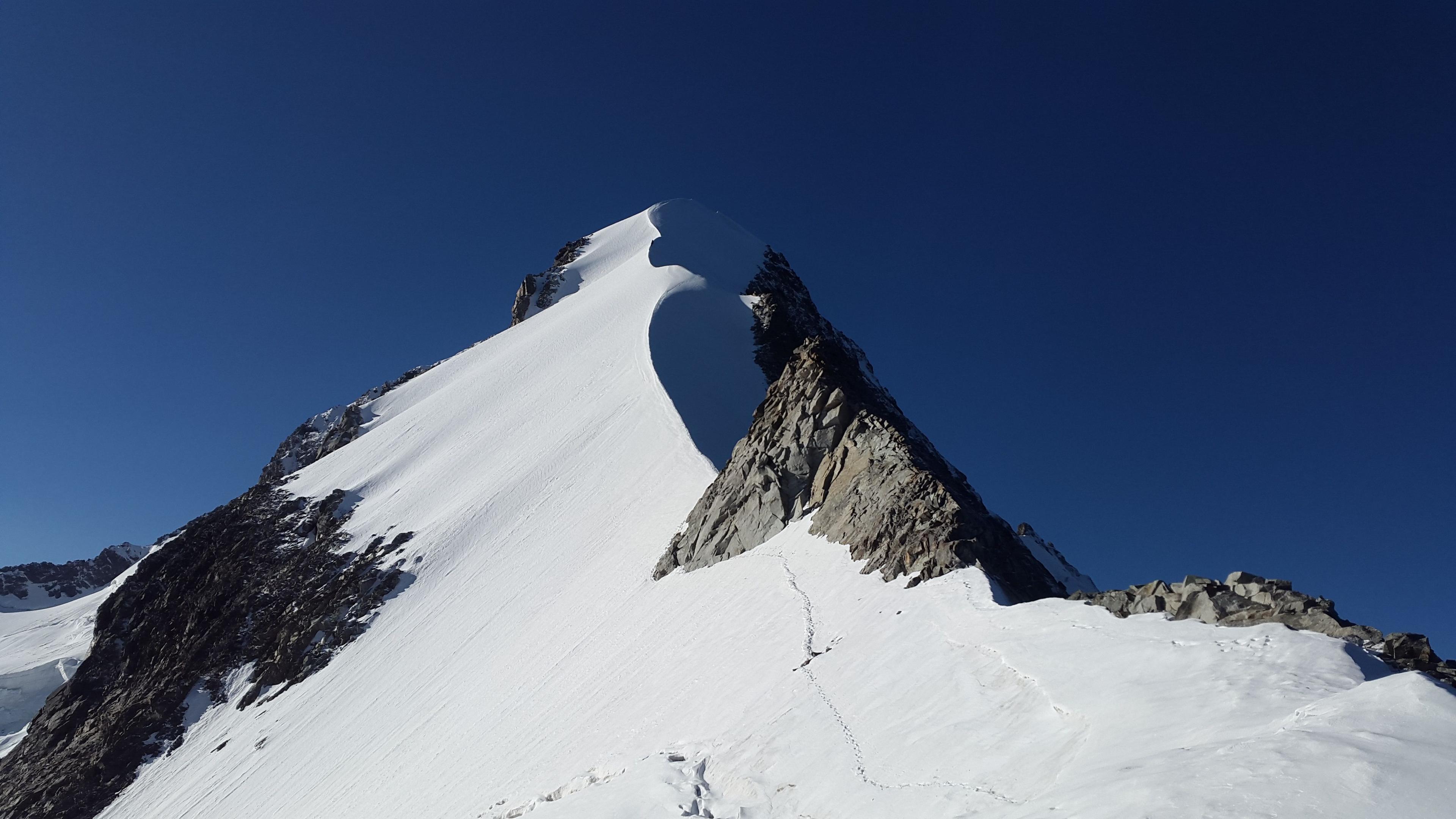
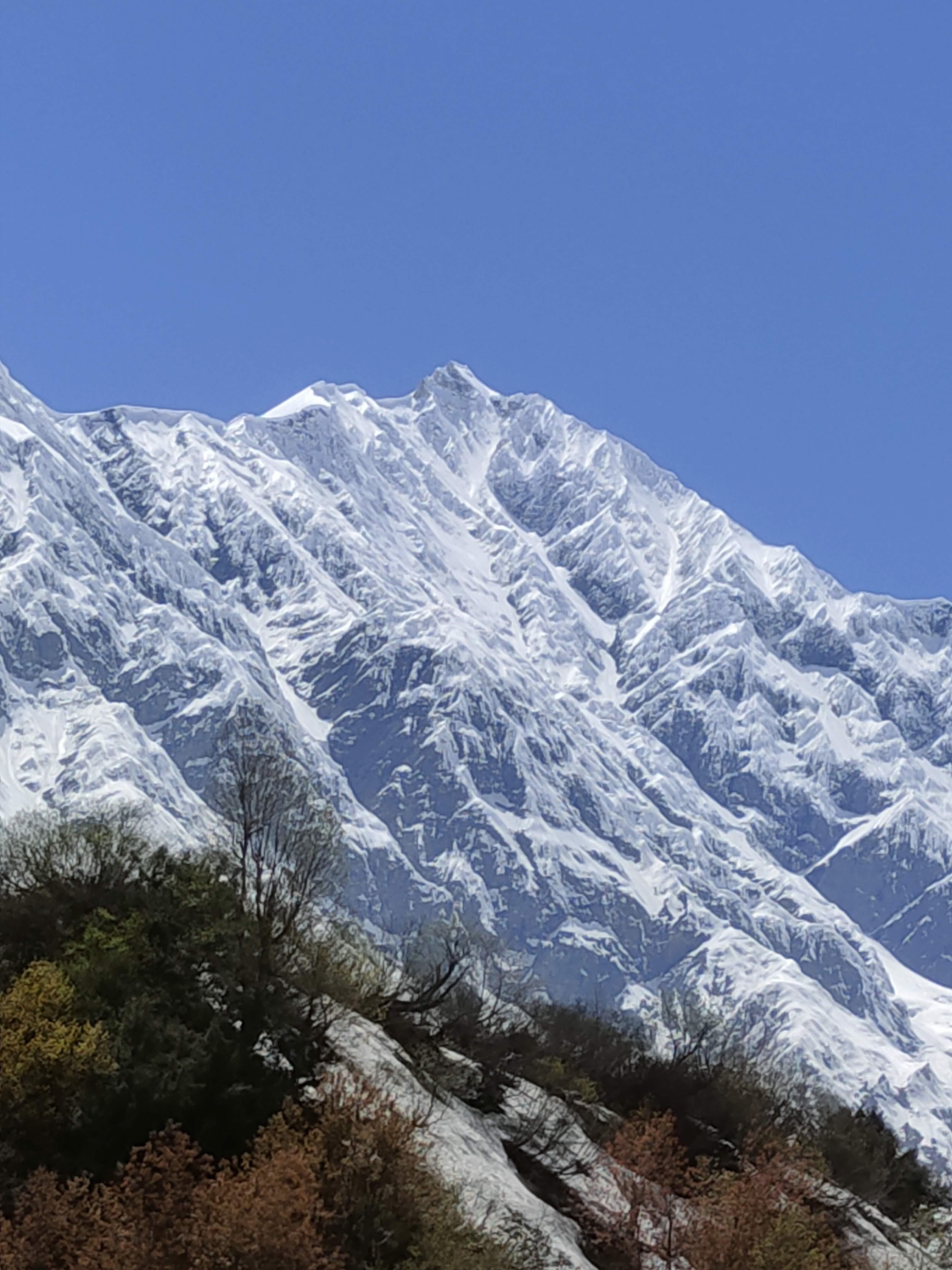
Rising northwest of the Solang Valley near Manali to an apex elevation of 19,450 to 19,652 feet (5,932 to 5,990 m), Mount Hanuman Tibba is officially recognized as the highest summit in the Dhauladhar Range, towering where the range merges with the Pir Panjal in Himachal Pradesh. Named after the revered deity Lord Hanuman, this pyramid of rock, ice, and sweeping glaciers is one of the most prestigious technical mountaineering objectives in the Western Himalayas.
The Mt. Hanuman Tibba Expedition is a challenging high-altitude mountaineering journey in the spectacular mountains of Himachal Pradesh, India. Rising to approximately 5,982 meters (19,626 feet), Mount Hanuman Tibba is a prominent Himalayan peak near Manali, associated with the dramatic mountain landscapes of the Dhauladhar and Pir Panjal region. Its imposing snow-covered profile, steep alpine terrain and demanding summit approach make it an exciting objective for experienced mountaineers seeking a serious climbing challenge.
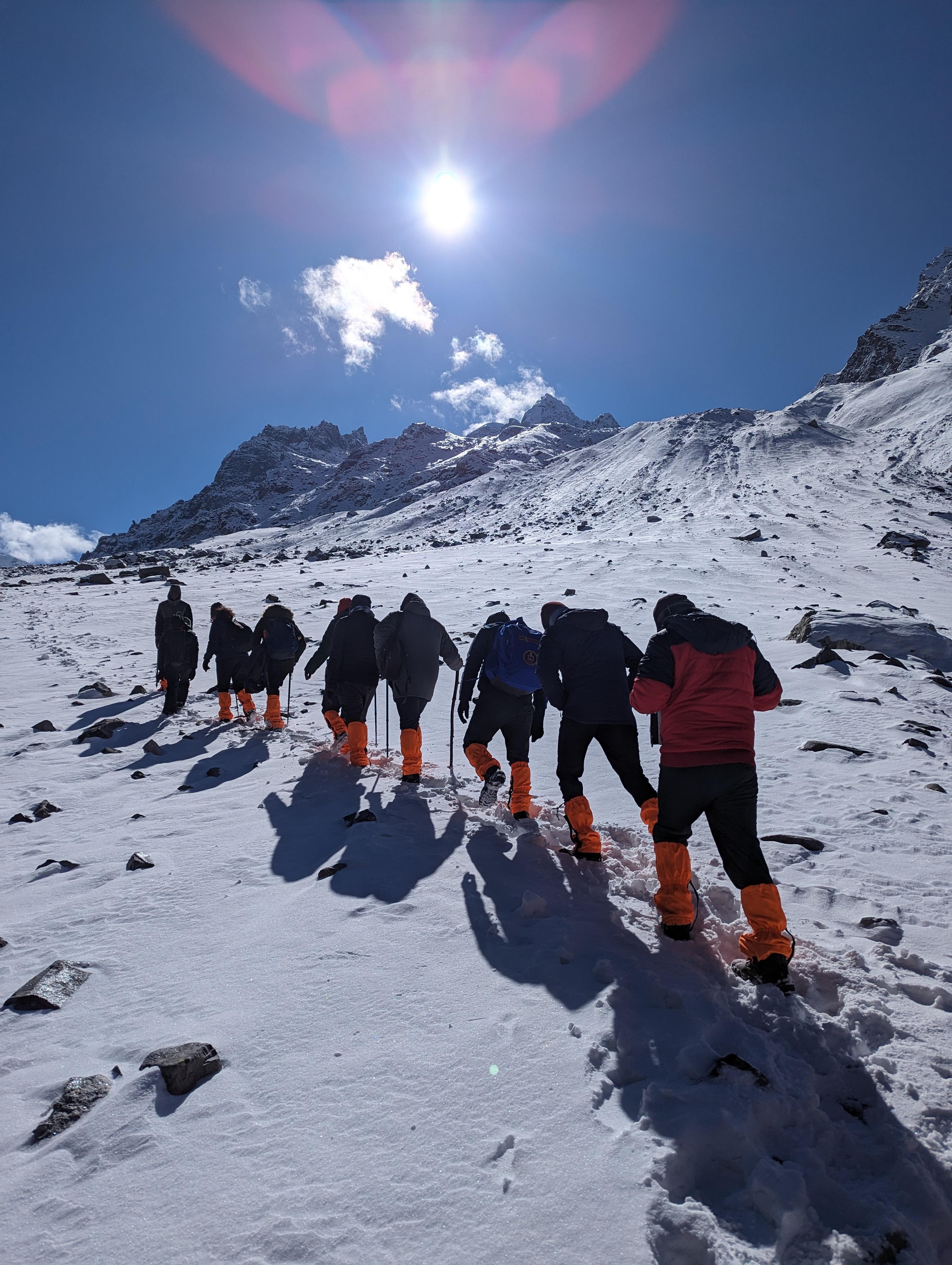
Unlike a conventional Himalayan trek, the Hanuman Tibba Expedition requires technical preparation, strong physical endurance and the ability to move safely across snow, ice and glaciated terrain. The mountain demands patience, disciplined teamwork and sound judgement, especially when weather, snow conditions and altitude influence the climbing plan.
The expedition begins in Manali, a well-known mountain town in Himachal Pradesh that serves as an access point for numerous Himalayan climbing objectives. From here, the approach generally continues towards Dhundi and the alpine terrain around Bakarthach and Beas Kund, depending on the approved route and current mountain conditions.
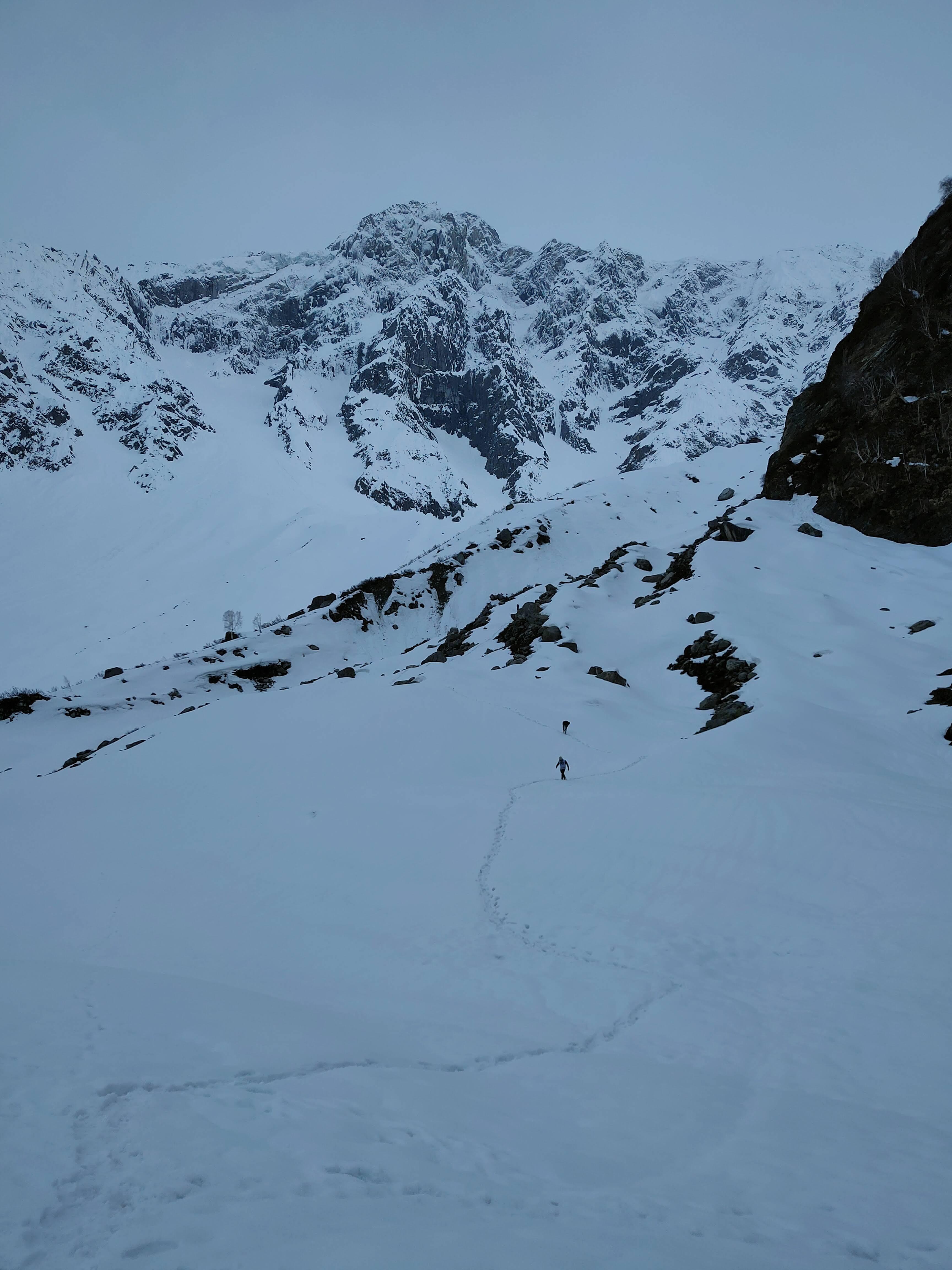
The Beas Kund region is an important part of the traditional approach to Hanuman Tibba. Beyond the approach trail, climbers enter increasingly challenging terrain where route finding, equipment management and careful movement become essential parts of the expedition.
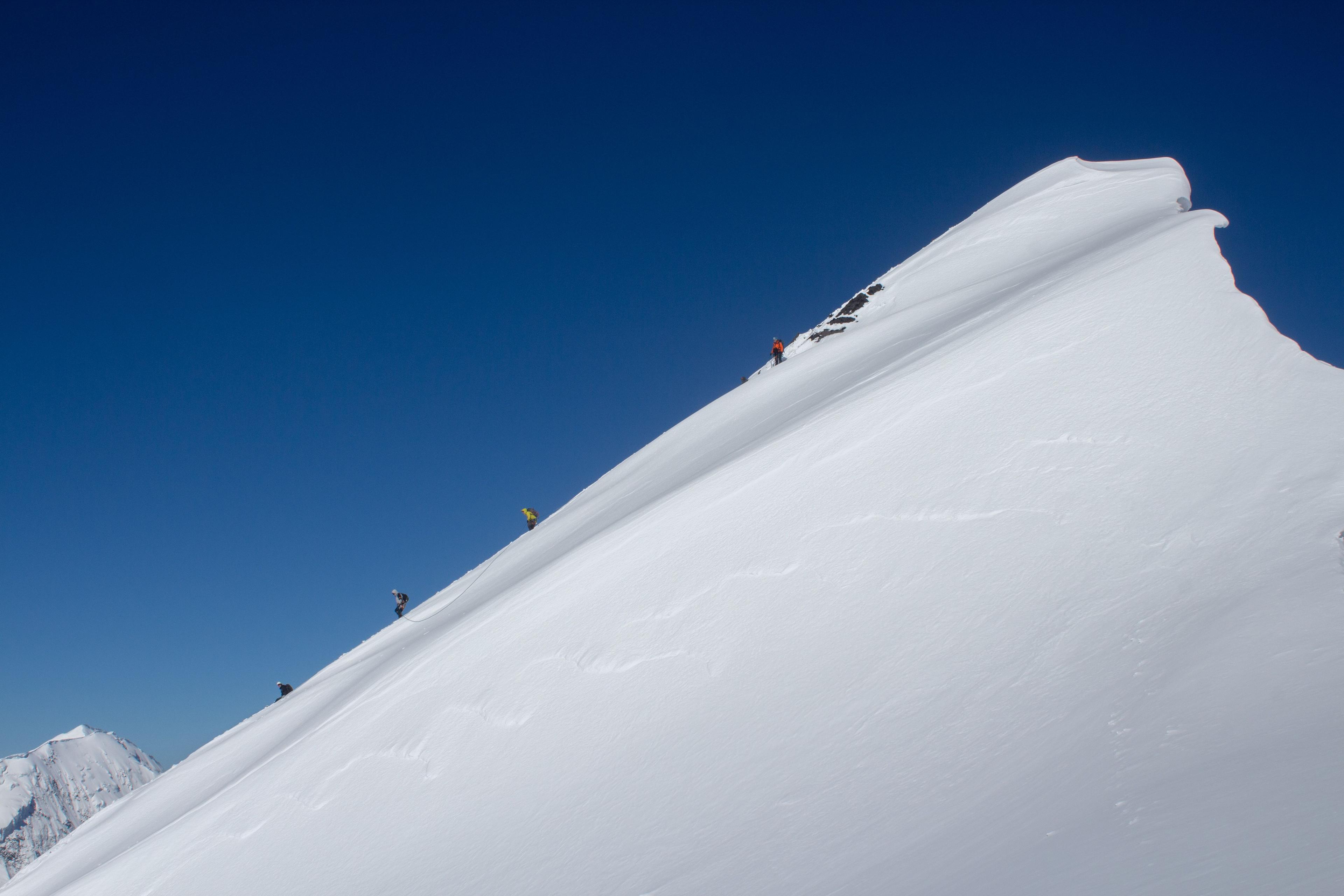
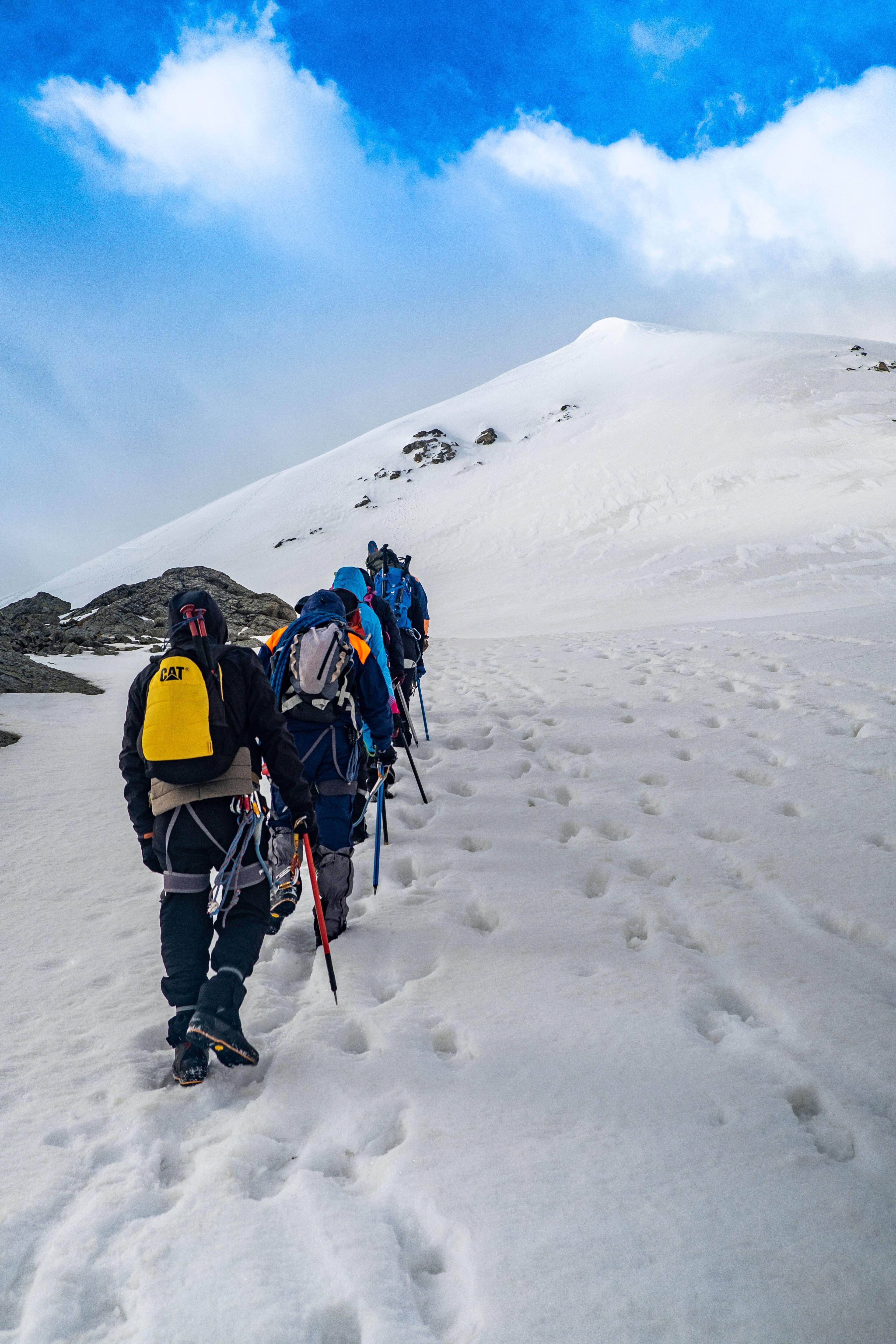
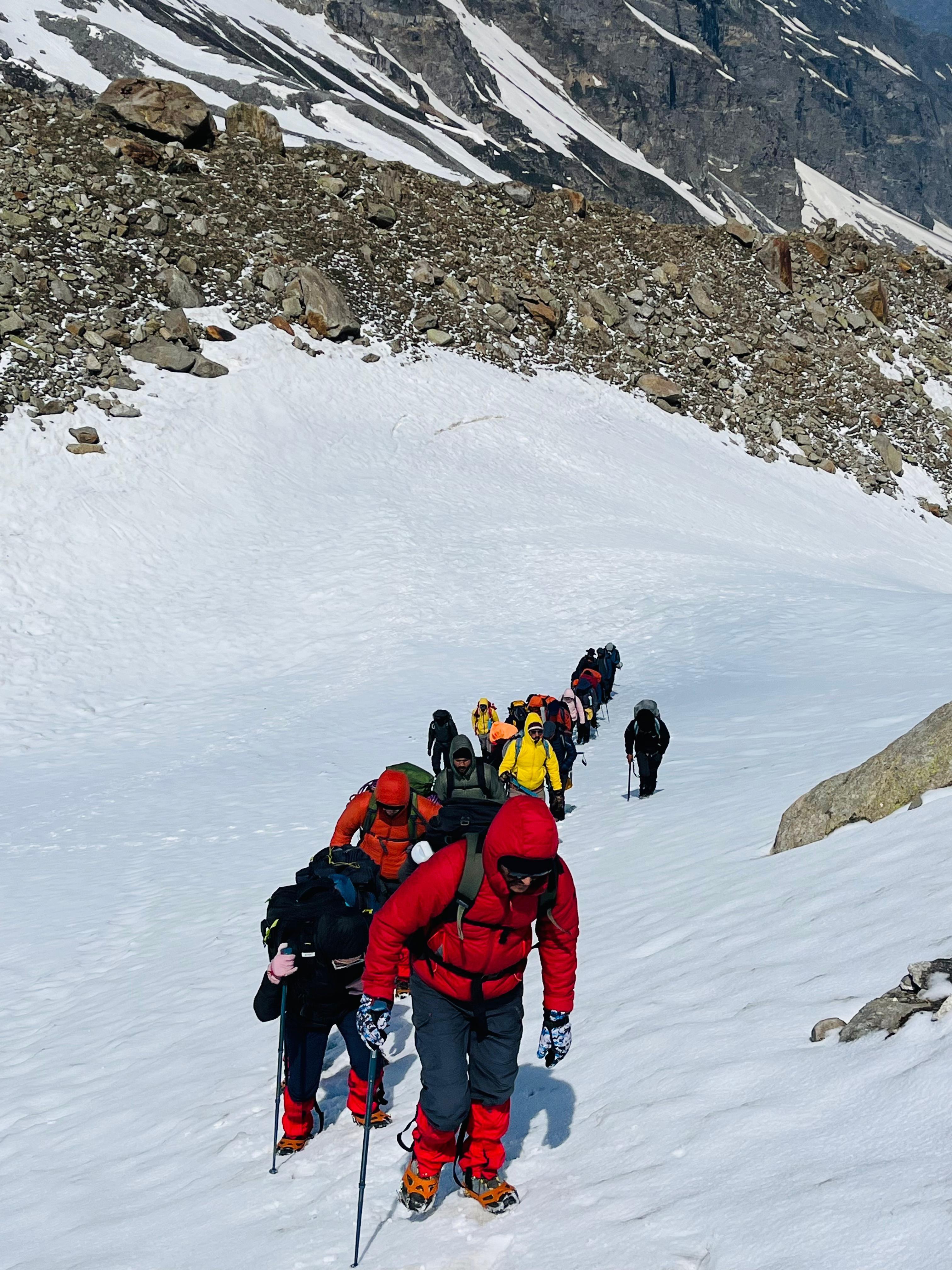
The main attraction of the Mt. Hanuman Tibba Expedition is the technical nature of the climb. Depending on the chosen route and prevailing conditions, the ascent may involve steep snow slopes, ice sections, glacier travel, exposed ridges and rope-assisted climbing. These conditions require more than general trekking fitness; participants must have appropriate mountaineering training and practical experience with technical equipment. Climbers may need to use mountaineering boots, crampons, ice axes, helmets, harnesses, ropes and ascending or descending systems. Familiarity with roped glacier travel, safe movement on snow and ice, rope management and emergency procedures is essential. The precise equipment requirements and climbing techniques must be determined by the expedition leader according to the route and conditions.
The Summit Objective
The summit attempt is the central objective of the Mt. Hanuman Tibba Expedition, but reaching the top depends on far more than determination. The team must consider weather forecasts, snow and ice stability, route conditions, altitude-related symptoms, available daylight and each climber's performance. An early start may be necessary, depending on the route and conditions. During the ascent, climbers must remain attentive to their footing, rope spacing, equipment and instructions from the expedition leadership. Changes in weather or deteriorating conditions may require the team to pause, alter its plan or turn back.
Who Should Join the Mt. Hanuman Tibba Expedition?
The Mt. Hanuman Tibba Expedition is intended for experienced and appropriately trained mountaineers, not beginners looking for their first Himalayan trek. Participants should have relevant mountaineering training or equivalent demonstrated competence, suitable high-altitude experience and the technical skills required by the proposed route. Previous experience with snow and ice climbing, crampon use, ice-axe techniques, harnesses, ropes and glacier travel is important. The expedition team should assess each participant's experience, physical readiness and technical ability before confirming suitability. A strong mindset is equally valuable. Climbers need to work cooperatively, follow safety instructions, manage fatigue and accept that conditions may change the original plan. Personal preparation and a responsible attitude are central to the entire experience.
Why Choose Frontpoint Adventures?
At Frontpoint Adventures, we approach Himalayan mountaineering with an emphasis on preparation, practical planning, experienced leadership and responsible decision-making. Our aim is to help climbers understand the demands of an expedition before they arrive at the mountain, so they can prepare their fitness, skills and equipment accordingly. From pre-expedition guidance to mountain logistics and climbing preparation, every stage should be planned around the specific route, current permissions and the needs of the team. We value clear communication, appropriate equipment, respect for local communities and responsible practices in fragile alpine environments. The Mt. Hanuman Tibba Expedition is an opportunity to test your abilities in a serious Himalayan setting, develop your mountaineering experience and explore the high mountains near Manali with purpose and discipline.
Safety Matrix
Technical Climbing Prerequisites: Hanuman Tibba is strictly not open to trekking novices. Applicants must demonstrate prior high-altitude trekking experience (above 15,000 ft) and should ideally have completed a Basic Mountaineering Course (BMC) or peaks like Friendship Peak, Patalsu, or Deo Tibba. Fluency in crampon footwork, jumar ascents, and controlled multi-pitch abseiling is mandatory. Tentu Pass Rockfall & Ice Mitigation: The couloir leading to Tentu Pass is susceptible to rockfall during warm sunny afternoons. All ascents and descents through the couloir are strictly scheduled during early morning sub-zero hours when rock and ice are frozen solid. Turnaround Cutoff (TAT): A non-negotiable summit turnaround cutoff of 9:00 AM is strictly enforced. Any climber who has not breached the upper summit ridge by this hour must reverse course with their dedicated guide to prevent descending through softened, dangerous afternoon snow slopes.
Highlights
- A technical 5,928 m summit above Manali
- The classic approach through the Beas Kund cirque
- Glacier travel and a climb over the Tentu Col
- A huge summit panorama over Kullu and Lahaul
From
₹59,999
per person
- Free reschedule up to 21 days out
- Small groups, certified mountain leaders
- Oximeter, oxygen & evacuation plan on every route
Day by day
The itinerary
12 days from Manali (Beas Kund). Tap any day to read the detail — distances and altitudes are planning figures and may shift with conditions.
The expedition to Mount Hanuman Tibba (5,982 m)—the crowning pyramid of the Dhauladhar Range—officially convenes today. All climbers and technical guides report to the designated base hotel in Manali no later than 11:00 AM. Today plays a pivotal dual role: it kickstarts baseline altitude adaptation while clearing the multi-tiered administrative permissions required to operate in this sensitive alpine basin. Permit Protocol & Official Clearances While the Indian Mountaineering Foundation (IMF) classifies Mt. Hanuman Tibba as a trekking peak, recent regional directives mandate a rigorous, sequential permitting protocol before setting foot on the route: IMF Intimation & Clearance: The expedition lead submits a formal intimation dossier at the IMF Regional Office in Manali. This includes verified identity credentials, indemnity documentation, and certified climbing credentials for every climber and high-altitude technical guide to obtain official stamped receipt. BRO & SDM Vehicular Clearances: Following IMF clearance, the team applies for dual road-transit permits from the Sub-Divisional Magistrate (SDM) and the Border Roads Organisation (BRO). These permits grant vehicular authorization to navigate the restricted military-grade track between Solang Nala and Dhundi. Contingency Route Plan: In the event vehicular permits face administrative delays or road-access restrictions, the expedition switches immediately to the foot-approach contingency—a scenic 7 km road-march along the banks of the Beas River from Solang Nala to Dhundi. Team Alignment & Evening Briefing Once administrative filings are submitted, the team convenes at the hotel for the official expedition orientation: Technical Review: Breaking down route logistics across the Beas Kund basin, fixed-rope systems for the technical climbing stages, crampon techniques, and crevasse rescue protocols. Medical & Safety Baselines: Setting pulse-oximetry tracking protocols, going over AMS and HAPE symptoms, and establishing zero-trace ecological standards for high camps. Gear Calibration: Conducting personal kit checks to ensure harnesses, helmets, down layers, and technical mountain boots are dialed in. The evening winds down with a hearty group dinner, giving everyone time to bond, review individual roles, and mentally dial into the mountain days ahead.
What's included
- Twin/triple-sharing tents and all camp equipment
- All meals on the expedition (veg, freshly cooked)
- Certified mountaineering guides and high-altitude support
- Climbing permits and technical group gear (ropes, ice screws, snow bars)
- First-aid, oximeter and emergency oxygen
Not included
- Transport to and from Manali
- Personal climbing gear, insurance and offloading charges
- Anything not listed under inclusions
In the field
The country you'll walk
Ready when you are
Walk Hanuman-Tibba Expedition with us
Small groups, honest briefings and a crew that has done this route many times over. From ₹59,999 per person.
Keep exploring