Uttarakhand · India
Gupt Khal Expedition
The 'hidden pass' of the Garhwal Himalaya, linking the Niti valley and Badrinath
The trek
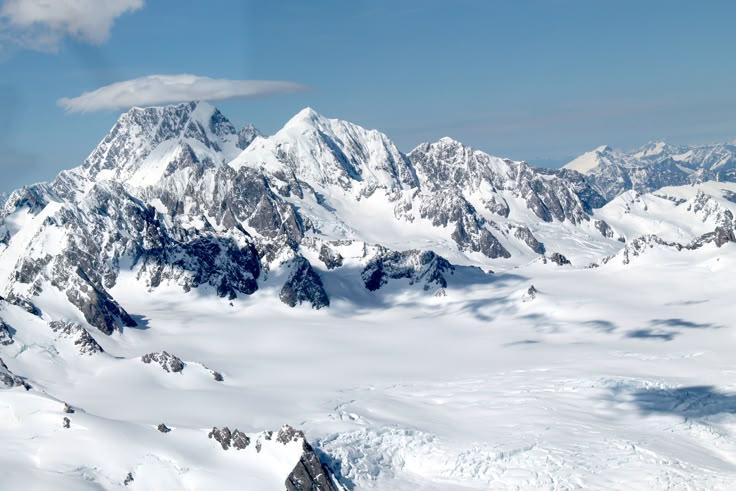
Tucked away in the glaciated sanctum of the Chamoli district in Uttarakhand, Gupt Khal—literally translated as the "Secret Pass" or "Hidden Pass"—ascends to a dramatic crest altitude of 19,143 feet (5,835 m). Immortalized in mountaineering lore by the legendary British mountaineer and explorer Frank S. Smythe during his 1937 reconnaissance of the Kamet group, this remote col bridges the glaciated divide between the lush, botanical sanctuary of the Bhyundar Valley (Valley of Flowers) and the barren, wind-scoured ice fields of the Banke Glacier and the Alaknanda watershed at Mana.
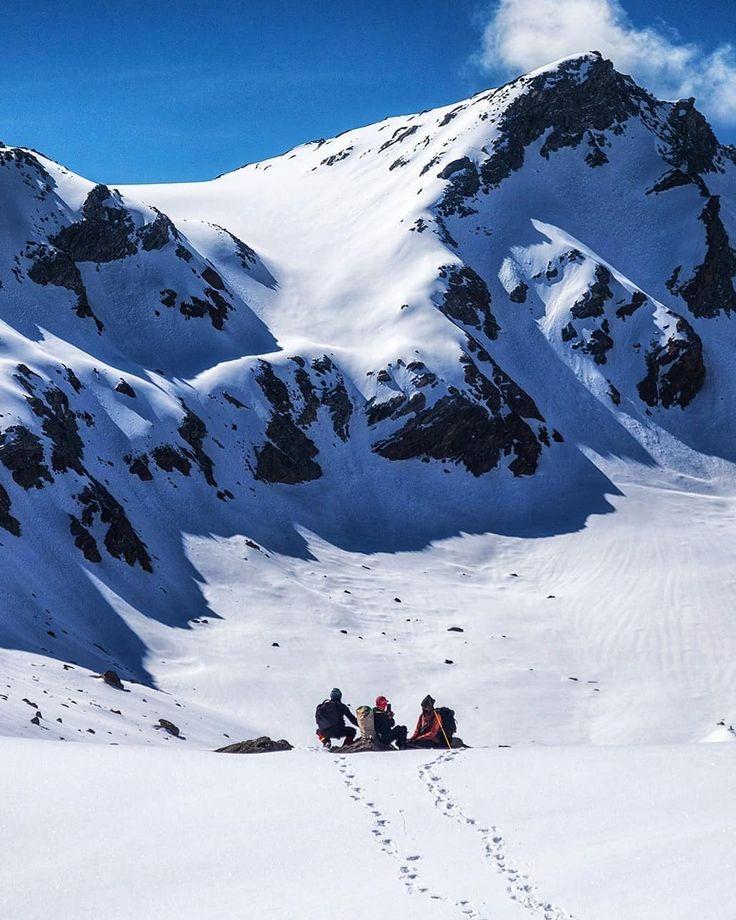
The Gupt Khal Expedition is a demanding high-altitude Himalayan traverse in the Garhwal region of Uttarakhand, created for experienced trekkers and mountaineers seeking a serious challenge in remote mountain terrain. Known as the “Secret Pass,” Gupt Khal offers an expedition experience shaped by vast glaciers, rugged moraines, snow-covered slopes, isolated camps, and the extraordinary scale of the surrounding Himalayas.
Located between the Bankund Valley and the Mana–Badrinath region, Gupt Khal is far removed from ordinary trekking routes. The journey takes participants deep into a mountain landscape where established trails gradually give way to glacial terrain, steep snowfields, and challenging sections that require careful route assessment and technical preparation. This is an expedition in which endurance, patience, teamwork, and sound mountain judgement matter as much as physical strength
The pass is commonly reported at approximately 5,760–5,835 meters, although published elevations differ. The precise altitude, route, and expedition plan should be confirmed before departure.
Into the Remote Wilderness of Garhwa
The journey generally begins with an approach towards the Niti Valley and the remote village of Ghamsali, followed by a trek into the Bankund Valley. The exact approach may differ according to the selected route, permissions, and prevailing conditions. As the expedition progresses, the landscape changes from mountain valleys and rugged slopes to open alpine terrain, glacial basins, and increasingly demanding high-altitude ground. Each stage takes the team farther from permanent settlements and conventional facilities, making careful preparation and efficient use of supplies essential.
The route may pass through areas around Eri Udiyar, Rataban Glacier, Bankund Lake, and high-altitude camping grounds before reaching the Gupt Khal crossing. Beyond the pass, the traditional traverse descends towards the Nakthani Glacier area and the Mana–Badrinath region. The exact camps, sequence, and exit route depend on the expedition plan and current access conditions. This remote setting is one of the defining characteristics of the Gupt Khal Expedition. Participants must be prepared for long days, changing terrain, limited communication, and conditions in which progress depends on weather, snow stability, visibility, and the judgement of the expedition leadership.
Glacier Travel and High-Altitude Challenges
Gupt Khal is not a conventional trekking pass. Its remote approach and glacial environment make it a serious objective that requires experience beyond that needed for popular Himalayan treks. Depending on the route and conditions, participants may encounter glacial ice, snowfields, crevasses, unstable moraine, steep slopes, and sections requiring rope-assisted travel. These hazards demand appropriate equipment, competent leadership, and a team that understands the importance of following safe movement procedures. High altitude adds another layer of difficulty. Reduced oxygen availability can affect physical performance, sleep, judgement, and recovery. Even experienced trekkers must approach the ascent gradually and follow a carefully planned acclimatisation schedule. A successful crossing is never simply a matter of reaching the highest point. The team must assess the entire route, including the descent, because snow conditions, weather changes, and fatigue can make the return journey equally demanding.
Who Should Attempt the Gupt Khal Expedition?
The Gupt Khal Expedition is intended for highly experienced trekkers and mountaineers who are physically fit and prepared for glacier travel. It is not suitable for beginners or anyone choosing an expedition solely because of its altitude or reputation. Participants should have previous experience on demanding high-altitude routes, a strong endurance base, and the ability to manage consecutive days of strenuous activity. Experience with mountaineering equipment and glacier-travel procedures is important, while any additional technical requirements must be determined by a qualified expedition leader after assessing the planned route. Preparation should include cardiovascular training, leg and core strength, balance, loaded-backpack hikes, and sufficient recovery. Participants should also understand the importance of acclimatization, hydration, nutrition, and recognizing symptoms of altitude illness. The required equipment may include suitable mountaineering boots, crampons, an ice axe, helmet, harness, ropes, and technical clothing, depending on the route and conditions. The final equipment list must be confirmed by the expedition operator.
Why Cross Gupt Khal with Frontpoint Adventures?
Gupt Khal remains one of the least trodden routes in the Garhwal Himalayas, holding deep appeal for seasoned alpinists seeking true wilderness: The Dual-Pass Grand Traverse: Unlike single-col crossovers, this expedition conquers two legendary high-altitude cols back-to-back: the high-meadow pass of Bhyundar Khal (5,090 m) followed by the glaciated apex of Gupt Khal (5,835 m).From Floral Sanctuary to Arctic Ice: The expedition begins in the UNESCO World Heritage Valley of Flowers, walking through lush carpets of blue poppies, Himalayan bellflowers, and rhododendrons, before abruptly transitioning into a world of blue seracs, lateral moraines, and permanent icefields .In the Shadow of Mount Kamet: Traversing the Banke Glacier provides close-up vistas of Mount Kamet (7,756 m)—the second-highest peak in Uttarakhand—and its sister giant Abi Gamin, revealing high granite faces rarely viewed by conventional trekking routes. Frontpoint Adventures Safety Framework: Crossing heavily crevassed glaciers above 18,000 feet requires strict safety systems. We enforce a 1:2 guide-to-client ratio across the glacier, provide mandatory snowcraft clinics (crampon front-pointing, mechanical ascender mechanics, and roped crevasse rescue), maintain twice-daily SpO2 logs, carry high-pressure emergency oxygen with alpine demand valves, and secure critical pass cruxes with fixed static ropes.
Safety Matrix
Rigorous Technical Prerequisites: Gupt Khal is strictly reserved for experienced alpine mountaineers and advanced trekkers. Candidates must demonstrate prior high-altitude expedition experience (above 16,000 ft, such as Auden's Col, Kalindi Khal, or Black Peak) along with formal certifications in Basic Mountaineering Courses (BMC). Complete mastery of crampon footwork, ice-axe self-arrest, fixed-rope jumaring, and controlled multi-pitch abseiling is mandatory. Glacier Crevasse Safety: The Bhyundar and Banke glaciers are dynamic, heavily fractured ice sheets. Moving roped up in designated teams of three is non-negotiable from the moment teams touch the glacier until solid ground is reached. Unroped glacier travel is strictly forbidden. Turnaround Cutoff (TAT): A strict turnaround cutoff of 8:30 AM is enforced on the col. Any team that has not crested the saddle by this hour must halt or retreat under guide supervision to prevent abseiling down the vertical headwall under softened, rockfall-prone afternoon snow conditions.
Highlights
- The hidden 5,835 m Gupt Khal — a rarely crossed Garhwal col
- A wilderness traverse from the Niti valley over to Badrinath
- Remote glaciers and moraine below the Rataban and Bankund peaks
- A finish at Mana, the last village before Tibet, and the temple town of Badrinath
From
₹79,999
per person
- Free reschedule up to 21 days out
- Small groups, certified mountain leaders
- Oximeter, oxygen & evacuation plan on every route
Day by day
The itinerary
13 days from Joshimath. Tap any day to read the detail — distances and altitudes are planning figures and may shift with conditions.
A long, scenic drive from Dehradun up the Alaknanda valley through Rishikesh, Devprayag and Srinagar to Joshimath, the gateway town for the Niti valley. The evening is spent resting and preparing gear for the days ahead.
What's included
- Twin/triple-sharing tents and all camp equipment
- All meals on the trek (veg, freshly cooked)
- Certified mountaineering guides, high-altitude support and porters
- Permits, forest and camping charges and technical group gear (ropes, ice screws, snow bars)
- First-aid, oximeter and emergency oxygen
Not included
- Transport to and from the base (available at extra cost)
- Personal climbing/trekking gear, insurance and offloading charges
- Anything not listed under inclusions
In the field
The country you'll walk
Ready when you are
Walk Gupt Khal Expedition with us
Small groups, honest briefings and a crew that has done this route many times over. From ₹79,999 per person.
Keep exploring