From the wind-scoured ridges of the Greater Himalayas to the mist-shrouded rainforest trails of the Western Ghats, India hosts one of the most geographically diverse alpine landscapes on Earth. At Frontpoint Adventures, we believe stepping onto a mountain trail is a voluntary stripping away of artificial comforts, rigid assumptions, and daily digital noise. When the gradient steepens, sub-zero air fills your lungs, and frost crunches beneath your boots, the mountain strips away distractions. The trail offers no shortcuts or hollow epiphanies—it demands grit, presents physical challenges, and rewards deliberate effort. True accomplishment cannot be bought in a mass-market vacation package; it is earned step by step on the ridgeline. Here is the complete guide to navigating Himalayan seasons, tiered trail grades, expedition safety protocols, and wilderness preparation with Frontpoint Adventures.
The Frontpoint Trail Matrix: Matching Skill to Scale
Every mountain route presents a distinct set of physical, environmental, and technical demands. We grade our departures across four clear tiers, allowing climbers to match their current capabilities with the demands of the terrain. [ LEVEL 4: ALPINE EXPEDITION ] Technical ice/rock, fixed lines, crampons, 6,000m–7,000m+ ▲ [ LEVEL 3: TOUGH ALPINE ] Sustained >4,000m, moraine, steep cols, heavy endurance ▲ [ LEVEL 2: MODERATE BACKCOUNTRY ] Multi-day pass crossings, mixed scree, variable weather ▲ [ LEVEL 1: ENTRY MOUNTAIN TRAIL ] Foundational acclimation, forest trails, ridge lines
Level 1: Entry Mountain Trails
Target: Aspiring backpackers, beginners testing alpine fitness, and families seeking authentic wilderness. • Terrain: Established dirt pathways, forest corridors, and gentle snow slopes with manageable daily elevation gain. • Objective: Introduce mountain pacing, cold-weather sleeping routines, and basic trail habits.
• Featured Routes:
o Kedarkantha Peak o Brahmatal Ridge o Kuari Pass (Curzon Trail) o Har Ki Dun Valley o Phulara Ridge o Dayara Bugyal
Level 2: Moderate Backcountry Passes
Target: Trekkers with at least one prior multi-day hike looking for steeper gradients and mixed terrain. • Terrain: Boulder fields, scree corridors, river crossings, and pass crossings reaching up to 4,500 meters. • Objective: Build active stamina, master trekking pole techniques, and adapt to sustained multi-day efforts.
• Featured Routes:
o Hampta Pass & Chandratal o Rupin Pass o Pin Bhaba Pass o Tarsar Marsar (Kashmir) o Goechala Pass (Sikkim) o Beas Kund
Level 3: Tough Alpine Crossings
wilderness immersion. • Terrain: High-altitude moraines, steep cols above 4,800 meters, fragile scree, and remote valley cut-offs. • Objective: High physical output under hypoxia, rapid self-care in sub-zero camps, and off-trail route navigation.
• Featured Routes:
o Pin Parvati Pass o Parang La Traverse (Spiti to Ladakh) o Auden’s Col o Panpatia Col o Warwan Valley
Level 4: Technical 6,000m & 7,000m Expeditions
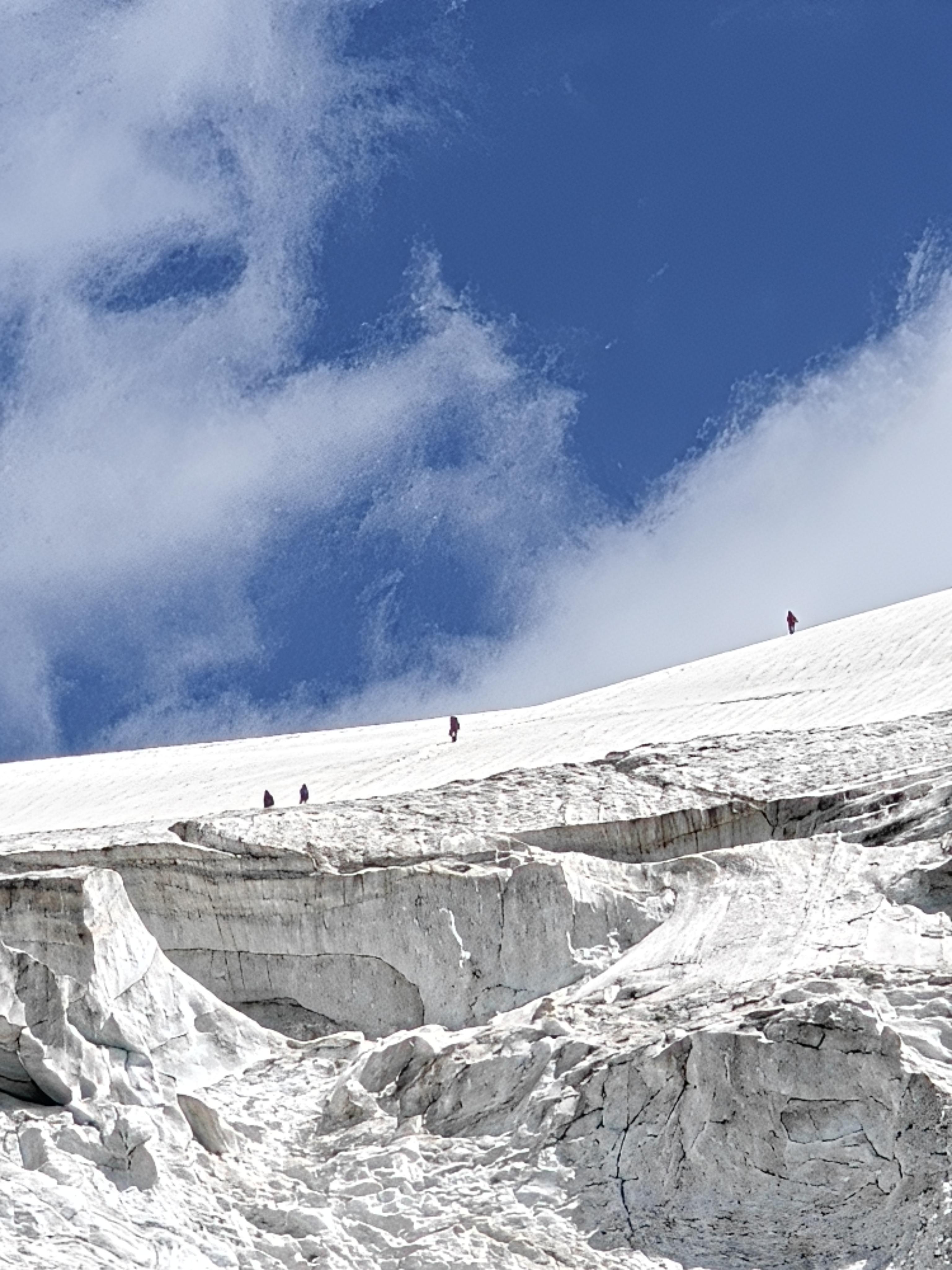
Target: Conditioned climbers with prior altitude experience looking to enter technical mountaineering. • Terrain: Glaciers with open crevasse systems, steep hard-pack snow and ice faces (45°–60°), and knife-edge summit ridges. • Objective: Rope team coordination, crampon mechanics, ascender/jumar use on fixed lines, and alpine self-arrest.
• Featured Peaks:
o Mt. Kiagar Ri (6,104 m) o Kang Yatse II (6,250 m) & Kang Yatse I (6,400 m) o Dzo Jongo East (6,214 m) o Mt. Nun (7,135 m) & Mt. Kun (7,077 m) o Mt. Deo Tibba (6,001 m) o Mt. CB 13 / CB 14
The Four Seasons of the Indian Himalayas
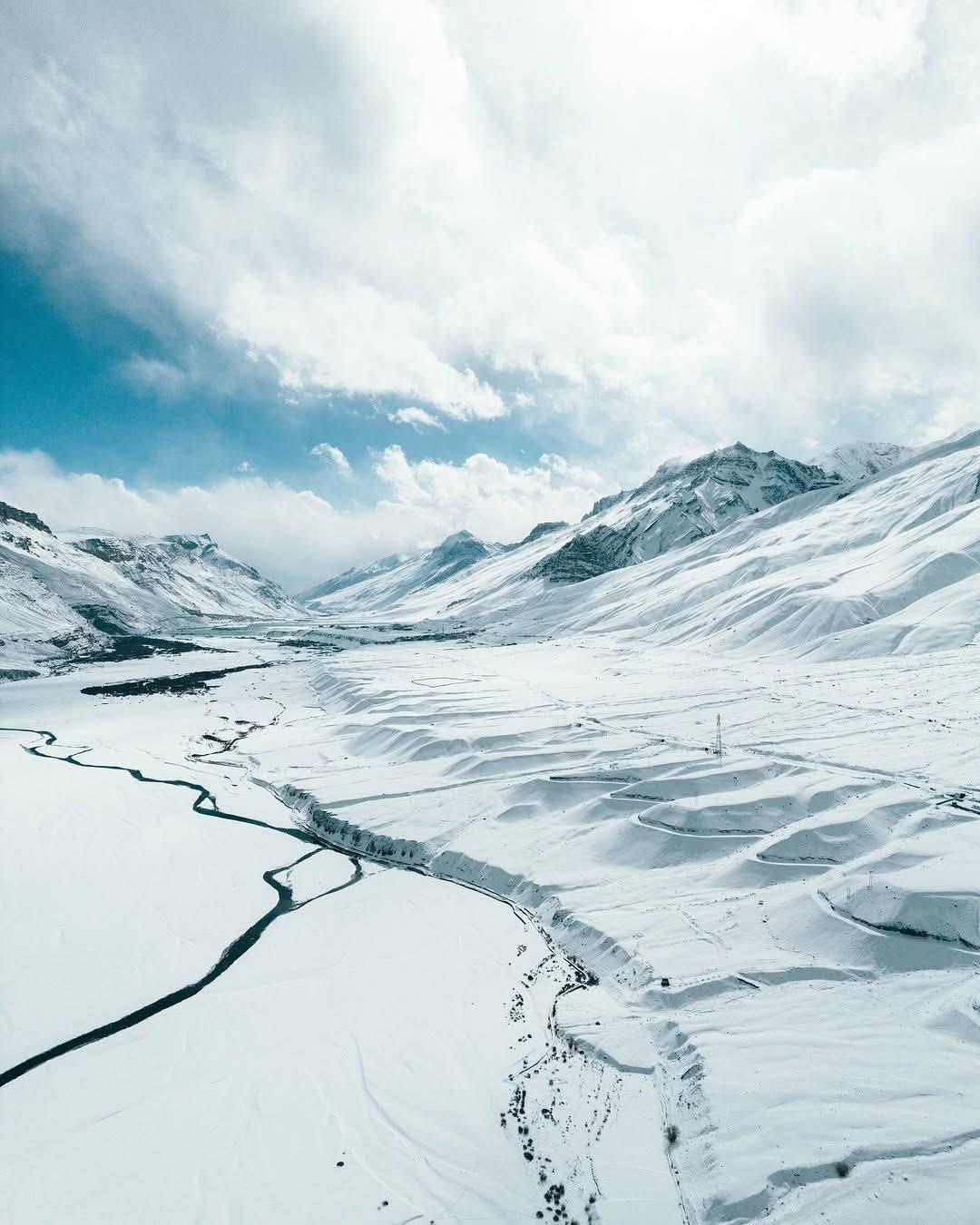
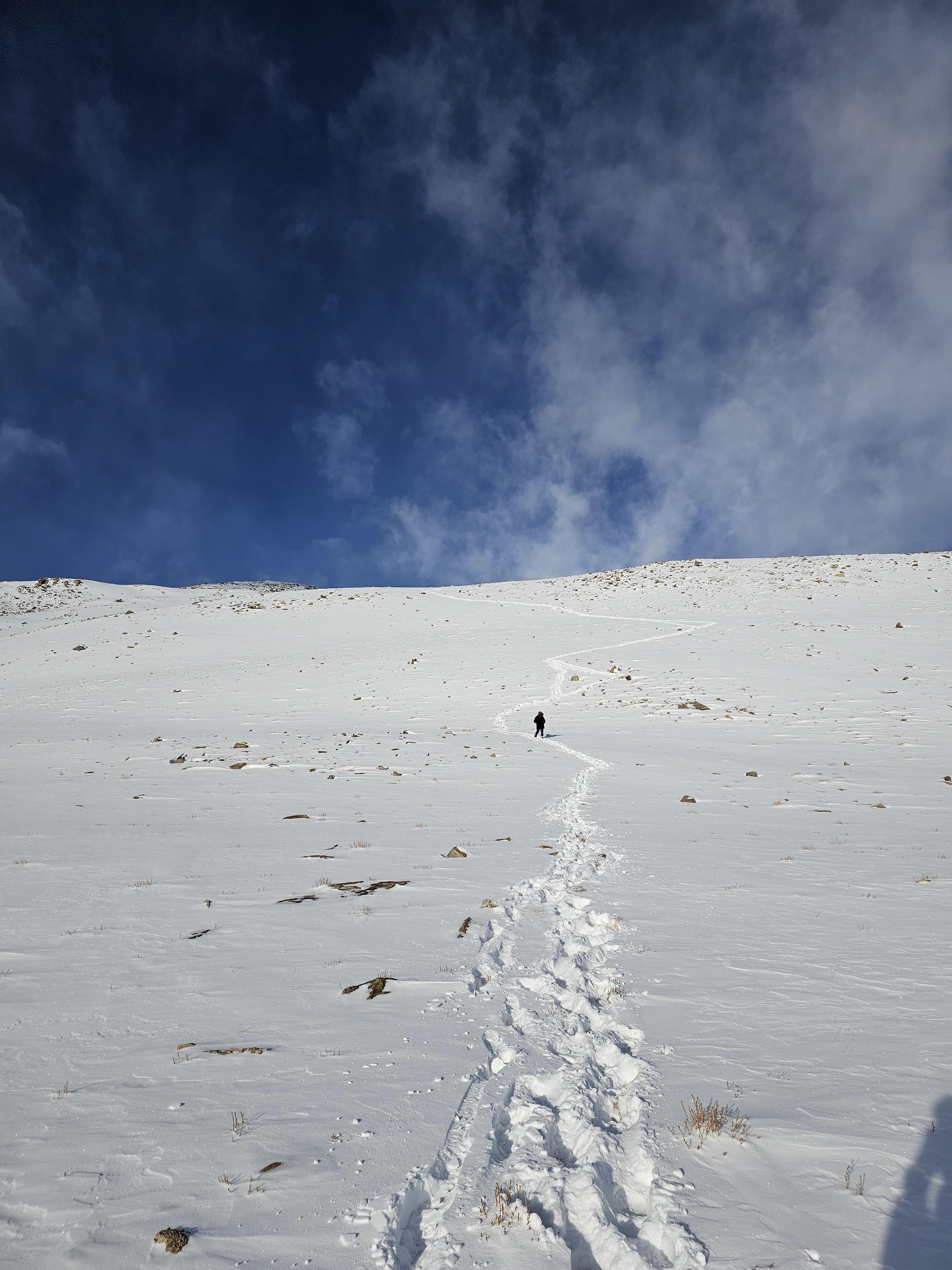
The Four Seasons of Himalayan Trekking 1. Winter (December to February): The High-Altitude Freeze Winter transforms the Himalayas into a silent, snow-locked amphitheater. As freezing air masses settle over the mountain ranges, popular summer hiking corridors disappear beneath heavy snowpack, leaving trails empty and starkly beautiful. Trail Atmosphere: Clear, high-pressure systems dominate, offering deep-blue skies and unobstructed mountain vistas, offset by bitter ambient cold and fierce katabatic winds. Temperature Spectrum: Daytime temperatures hover between 2°C and 8°C, while night temperatures drop sharply between -10°C and -30°C depending on elevation. Terrain Challenges: Navigating verglas (invisible ice glazes), deep powder drifts, and hard-crusted wind slabs. Efficient movement demands microspikes, snow gaiters, and insulated footwear. Top Departures: Kedarkantha Ridge, Brahmatal Lake, Dayara Bugyal Snow Traverse, and extreme cold-desert ascents like the winter push on Mt. Kiagar Ri. 2. Spring & Pre-Monsoon (March to June): The Great Alpine Thaw As longer days bring warmer temperatures, winter’s snowline recedes up the valleys. The lower forests erupt in vibrant crimson, pink, and white rhododendron blooms, while frozen alpine streams break open across the meadows. Trail Atmosphere: Balanced weather with mild days, retreating snowlines, and lively mountain flora and fauna. By May and June, high-altitude passes finally unlock their gates to foot traffic. Temperature Spectrum: Daytime temperatures range comfortably from 12°C to 20°C, cooling down to 2°C to -5°C at high camps after dark. Terrain Challenges: Transition terrain—crossing soft, slushy afternoon snowfields, negotiating wet moraines, and managing increased water flow in glacial melt streams. Top Departures: Har Ki Dun Valley, Kuari Pass, Rupin Pass, Sandakphu Ridge, and Gaumukh Tapovan. 3. Monsoon (July to August): The Trans-Himalayan Window While torrential monsoon rains drench the foothills, Lower Himalayas, and Pir Panjal range, the colossal Greater Himalayan barrier blocks moisture from crossing into the northern plateau. This creates ideal, dry trekking conditions in the rain-shadow desert belts. Trail Atmosphere: Arid, dramatic high-altitude moonscapes bathed in sunlight across the northern ranges, contrasted with lush green meadows and rushing cascades in select sheltered valleys. Temperature Spectrum: Daytime temperatures sit between 15°C and 22°C, while night temperatures at high altitude linger between 3°C and 8°C. Terrain Challenges: Active glacial river crossings with high afternoon water levels, sliding shale, loose rockfall along canyon walls, and humid, muddy approaches in lower access valleys. Top Departures: Markha Valley, Zanskar Traverse, Kang Yatse I & II, Spiti Valley circuits, and the Valley of Flowers (in the lower monsoon belt). 4. Autumn (September to November): The Gold Standard of Clarity Autumn is widely considered the prime window for technical high-altitude crossings and mountaineering expeditions. With the retreat of the monsoon, residual moisture clears the atmosphere entirely, producing the sharpest panoramic clarity and most dependable weather stability of the year. Trail Atmosphere: Razor-sharp visibility extending hundreds of kilometers, brilliant golden grasses covering high meadows (*bugyals*), crisp breezes, and stable, predictable barometric pressure. Temperature Spectrum: Pleasant daytime hiking temperatures of 10°C to 16°C, dipping into freezing sub-zero conditions (-2°C to -10°C) overnight above 4,000 meters. Terrain Challenges: Firm, dry, and stable trails, though rapidly shortening daylight hours require alpine starts. Snow is typically minimal until late November cold fronts roll in. Top Departures: Goechala Pass (Sikkim), Pin Bhaba Pass, Auden’s Col, Everest Base Camp (EBC) via Gokyo Ri, and technical 6,000m summits.
The Frontpoint Field Ethos: Co-Adventurers, Not Passive Tourists
We intentionally reject commercial "cattle-drive" trekking. A Frontpoint departure is run as an educational field expedition where every participant learns the fundamentals of alpine travel: • Active Camp Participation: You learn to pitch wind-stable alpine tents, inspect guy-lines, and manage your tent floor against ambient ground moisture. • Load Balance & Pack Ergonomics: We teach how to pack a multi-day rucksack using internal center-of-gravity principles (sleeping bags low, heavy gear close to the spine, essentials in top pockets). • Thermal Management: Master dynamic three-tier layering (base wicking, mid insulation, outer storm shell) to avoid sweat accumulation during ascents and rapid chilling at halts. • Technical Mentorship: On peak ascents, our UIAGM and NIM-trained mountaineering leaders provide hands-on workshops in crampon placement, ice axe self-arrest, and fixed-line rope travel. • Leave No Trace (LNT) Commitment: We enforce an absolute pack-it-in, pack-it-out protocol. No single-use plastics are permitted on trail, organic waste is packed out of fragile high valleys, and camp latrine pits are strictly managed away from active water sources.
High-Altitude Safety: Protocols Over Luck
In the high Himalayas, safety cannot rely on optimism. Frontpoint Adventures engineers each route around systematic risk mitigation: Pre-Emptive Acclimatization Schedules: Itineraries follow proven physiological climb-high, sleep-low profiles. We reject compressed commercial itineraries that skip acclimatization rest days to cut camp overhead. Diagnostic Health Logs: Certified expedition leaders conduct twice-daily pulse oximetry assessments, tracking resting pulse and blood oxygen saturation (SpO_2) alongside standard Lake Louise AMS scoring. Medical Emergency Arsenals: Every departure carries pressurized emergency medical oxygen cylinders, broad-spectrum high-altitude medical kits, hyperbaric evacuation plans, and satellite-assisted communication where permitted. Defined Turnaround Times: On summit pushes and high pass crossings, our teams operate on rigid turnaround times. Reaching a summit is only the halfway mark; descending safely off exposed ridges before mid-day weather deterioration is the primary goal.
How to Prepare for Himalayan Trails
Showing up trail-ready is the most effective safety measure you bring to the mountain. 1. Cardiovascular Base & Muscular Stamina High-altitude hiking demands consistent Zone 2 aerobic output over extended hours, rather than short bursts of high-intensity power: • Aerobic Training: 45 to 60 minutes of low-heart-rate jogging, cycling, or swimming 4 times per week for at least 8 to 12 weeks before departure. • Incline Load Conditioning: Climb staircases or run on inclined treadmills wearing a loaded pack (8–10 kg) to condition the hips, lower back, and calf muscles. • Leg Strength Fundamentals: Bodyweight squats, Romanian deadlifts, step-downs, and core planks to protect knees and stabilize ankles on rocky descents.
2. Mandatory Gear Checklist
• Footwear: Broken-in high-traction trekking shoes with high-cut ankle support and deep vibram-style lugs. (Never break in new boots on Day 1 of a trek). • Pack: 50–60L internal-frame rucksack with an integrated rain cover. • Hydration Arsenal: Vacuum-insulated stainless steel bottles (1–2L minimum). Disposable plastic bottles freeze, crack, and pollute trails. • Illumination: Dedicated LED headlamp with spare lithium cells (cold drains mobile phone lights instantly). • Eyewear: Category 3 or Category 4 glacier sunglasses with side shields to prevent solar radiation injury and snow blindness.
Frequently Asked Questions
Is Himalayan trekking suitable for complete beginners?
Yes. Many active individuals start with Level 1 routes like Kedarkantha or Har Ki Dun. However, "beginner-friendly" does not mean zero preparation. Consistent cardiovascular walking and dedicated gear preparation are mandatory for every route.
What happens if I show symptoms of AMS on the trail?
Our leaders evaluate symptoms using objective diagnostic criteria. If mild symptoms do not clear with hydration, rest, and monitored acclimatization, our team initiates immediate, escorted descent to a lower elevation. Health and safety always override the itinerary.
How cold does it get at high camps?
Summer and autumn night temperatures above 4,000 meters typically range between 5°C and -5°C. Winter routes drop much lower, with baseline camp temperatures between -10°C and -25°C. A high-loft down jacket and quality thermal base layers are essential gear on all departures.
Can I participate as a solo traveler?
Yes. A significant percentage of our expedition members join solo. Departure squads are intentionally kept small, creating an environment focused on team camaraderie, shared camp duties, and mutual trail support.
Ready to test your limits in the high Himalayas? Explore the upcoming season departures, high-pass crossings, and 6,000m peak climbs with Frontpoint Adventures.