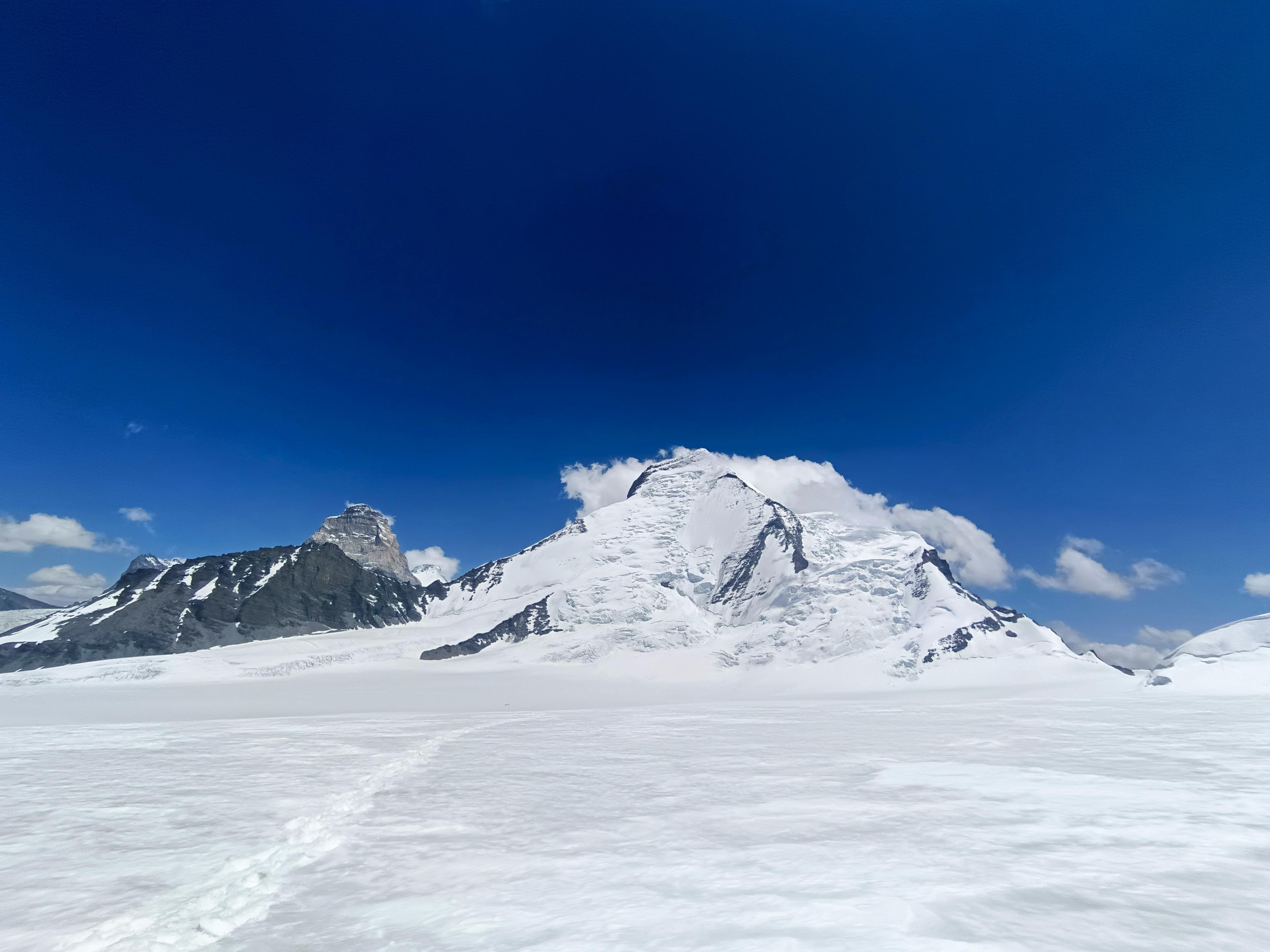
High in the Zanskar range of Ladakh, in the Suru Valley of Kargil district, two white giants stand side by side. Nun and Kun, together called the Nun Kun massif, are the highest peaks in this part of the Indian Himalaya. Mountaineers often wonder which one to choose. They share a base area and a glaciated landscape, but they are very different climbs. This guide compares them so you can decide which suits your experience, fitness, and ambition.
The Massif at a Glance
Nun rises to about 7,135 meters and Kun to about 7,077 meters. That makes Nun the higher peak by roughly 58 meters, and the two are separated by only a few kilometers of ridges and glaciers. Both are approached from the village of Parkachik, which sits at the head of the Suru Valley and offers views of the whole massif. The drive from Kargil takes you through green villages, barley fields, and a landscape of stark Ladakhi mountains. From there, expeditions trek to base camp, usually along the Parkachik glacier area, and set up a series of higher camps.
Climbing Mount Nun
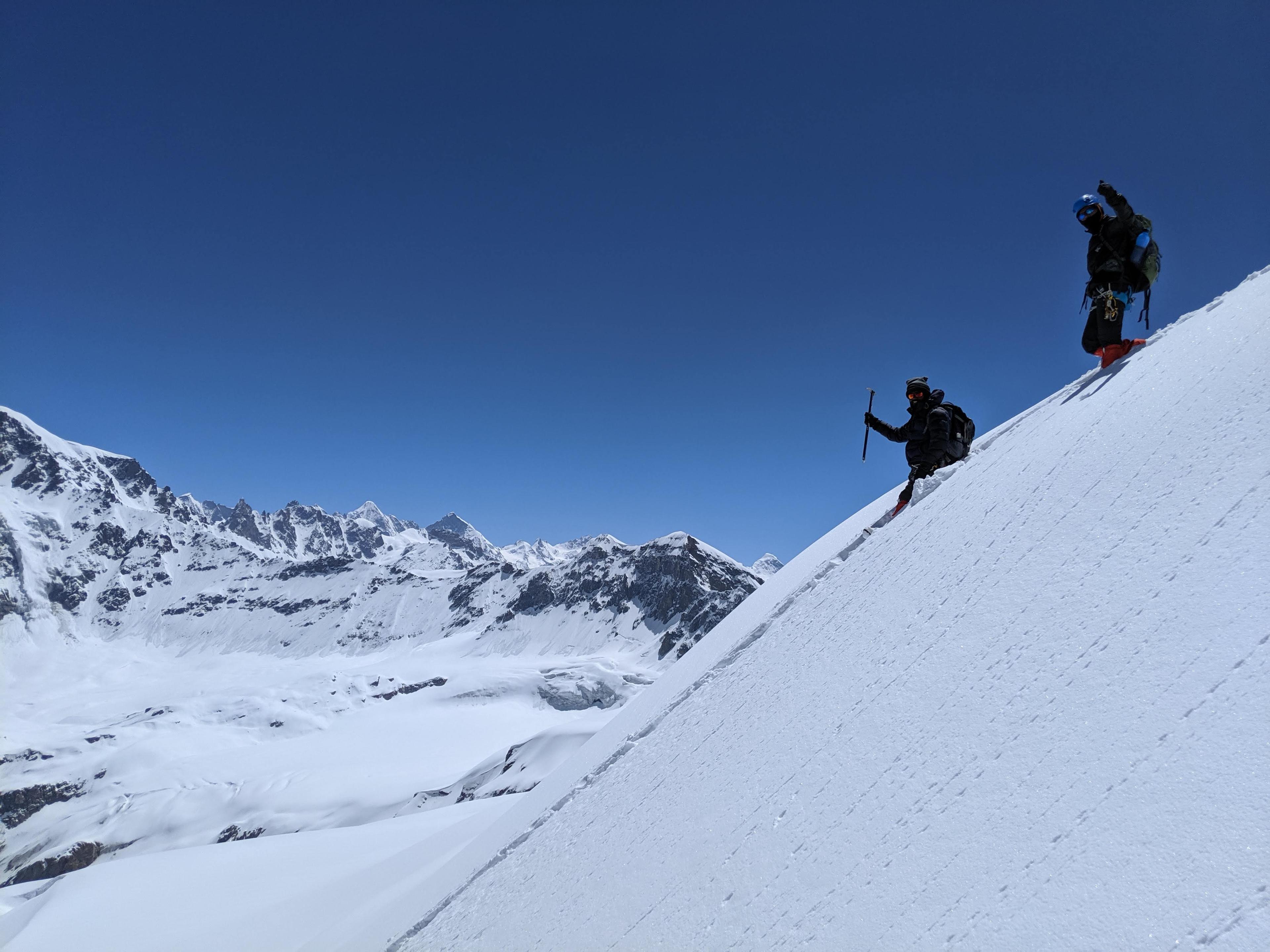
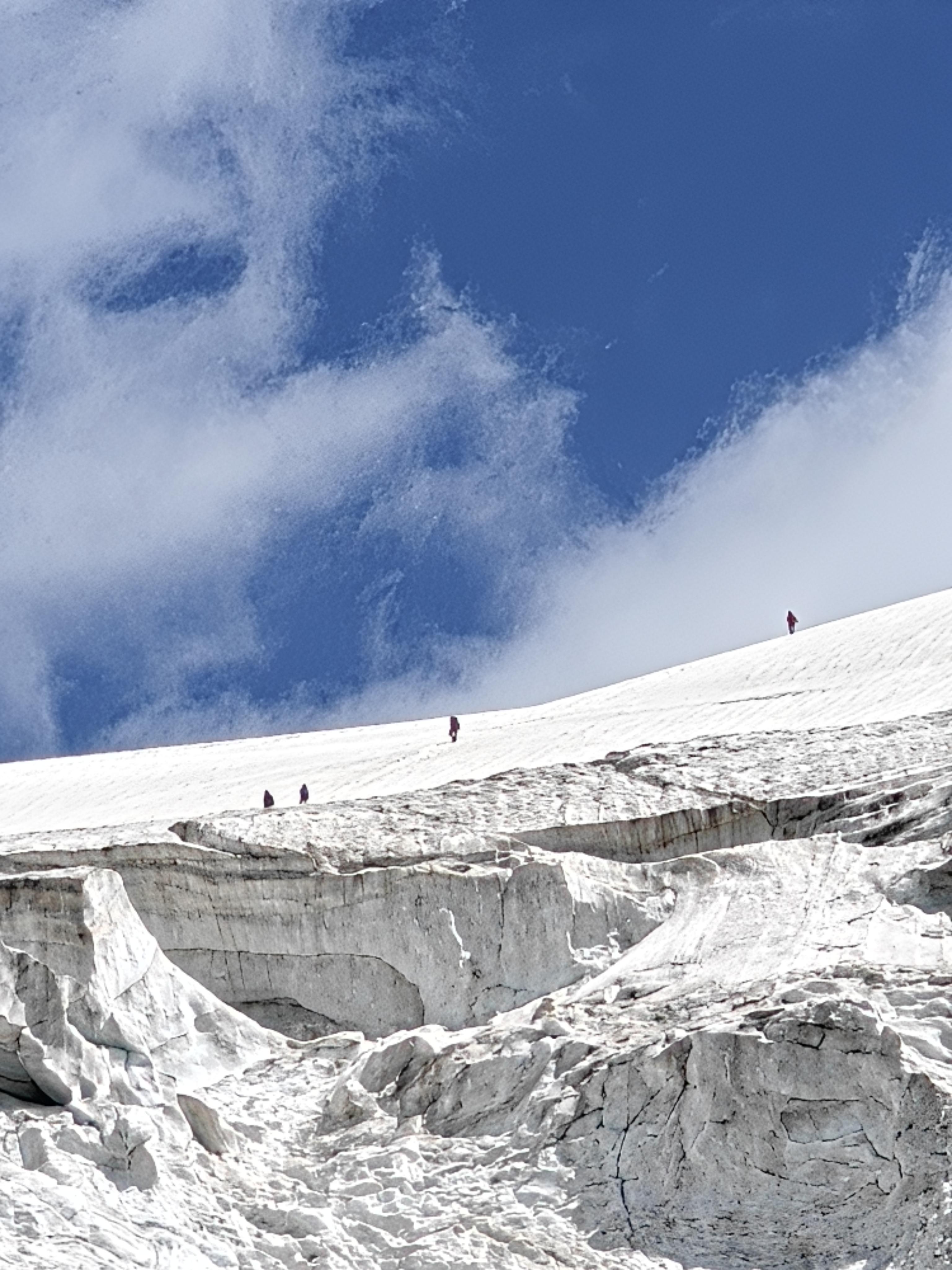
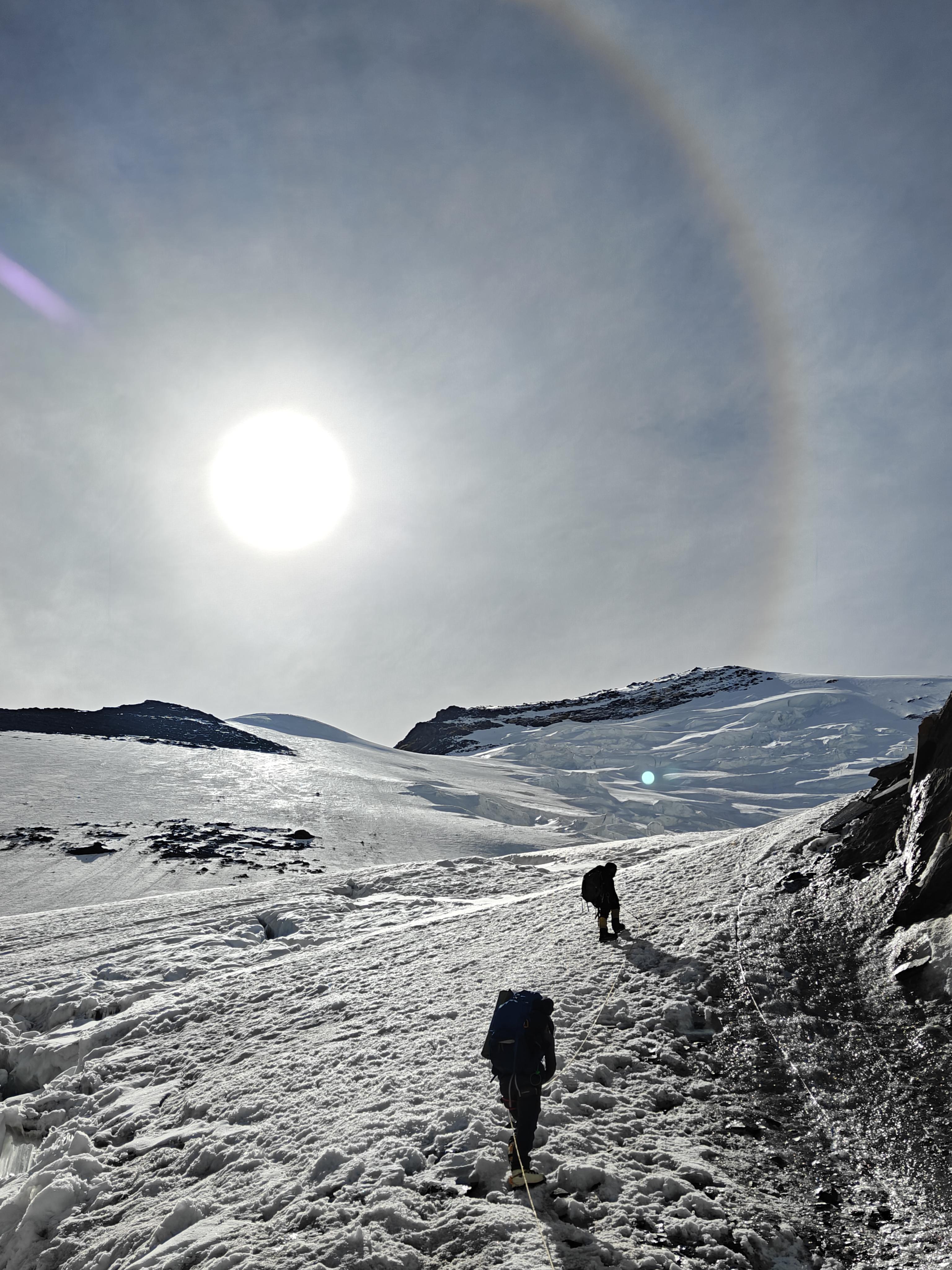
Nun is the higher and generally the more serious objective. Its first ascent came in 1953 by a French-led expedition, with Claude Kogan, one of the great women mountaineers of her era, among the climbers. That history gives Nun a certain prestige. The climb involves long glacier travel, crevasse navigation, steep snow and ice slopes, and exposed ridge sections. Because the summit is higher and the terrain more sustained, you spend more days at extreme altitude, and the margin for error is smaller. Nun suits climbers who already have experience on peaks above 6,000 meters, are comfortable with fixed ropes, and can use crampons and an ice axe confidently. Summit day is long and demanding, with the weather deciding whether you go up or turn back. The reward is a 7,000-meter summit and sweeping views across Ladakh, Zanskar, and, on a clear day, far into the Karakoram.
Climbing Mount Kun
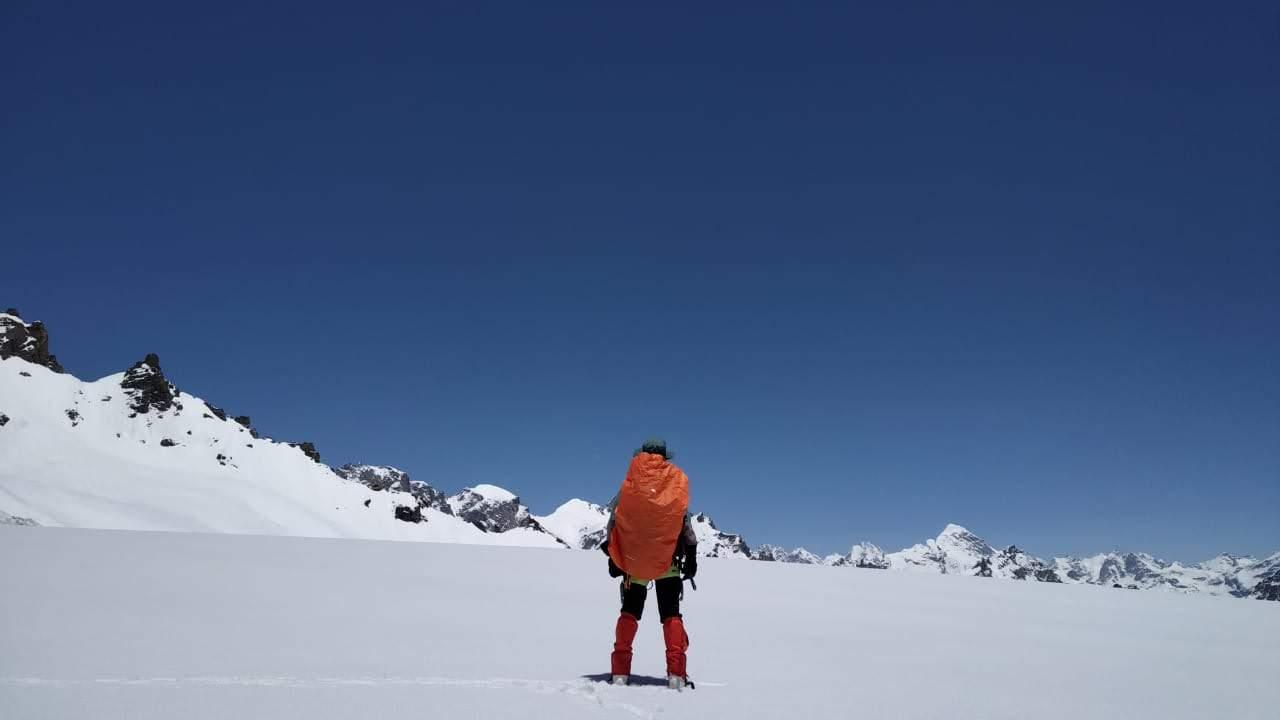
Kun is slightly lower and is often described as the more approachable of the two. It was first climbed back in 1913 by an Italian expedition, which is remarkable for that period. The standard route is generally less technical than Nun’s, though it is still a serious high-altitude climb with glacier hazards, avalanche risk, and the usual challenges of cold and thin air. Kun is a good choice for climbers who want their first 7,000-meter peak, or who are moving up from 6,000-meter objectives. It still demands careful acclimatization, a strong team, and respect for the mountain, but the technical commitment is usually lower than on Nun. Many climbers who attempt Kun first return later for its taller neighbor.
Difficulty and Technical Demands
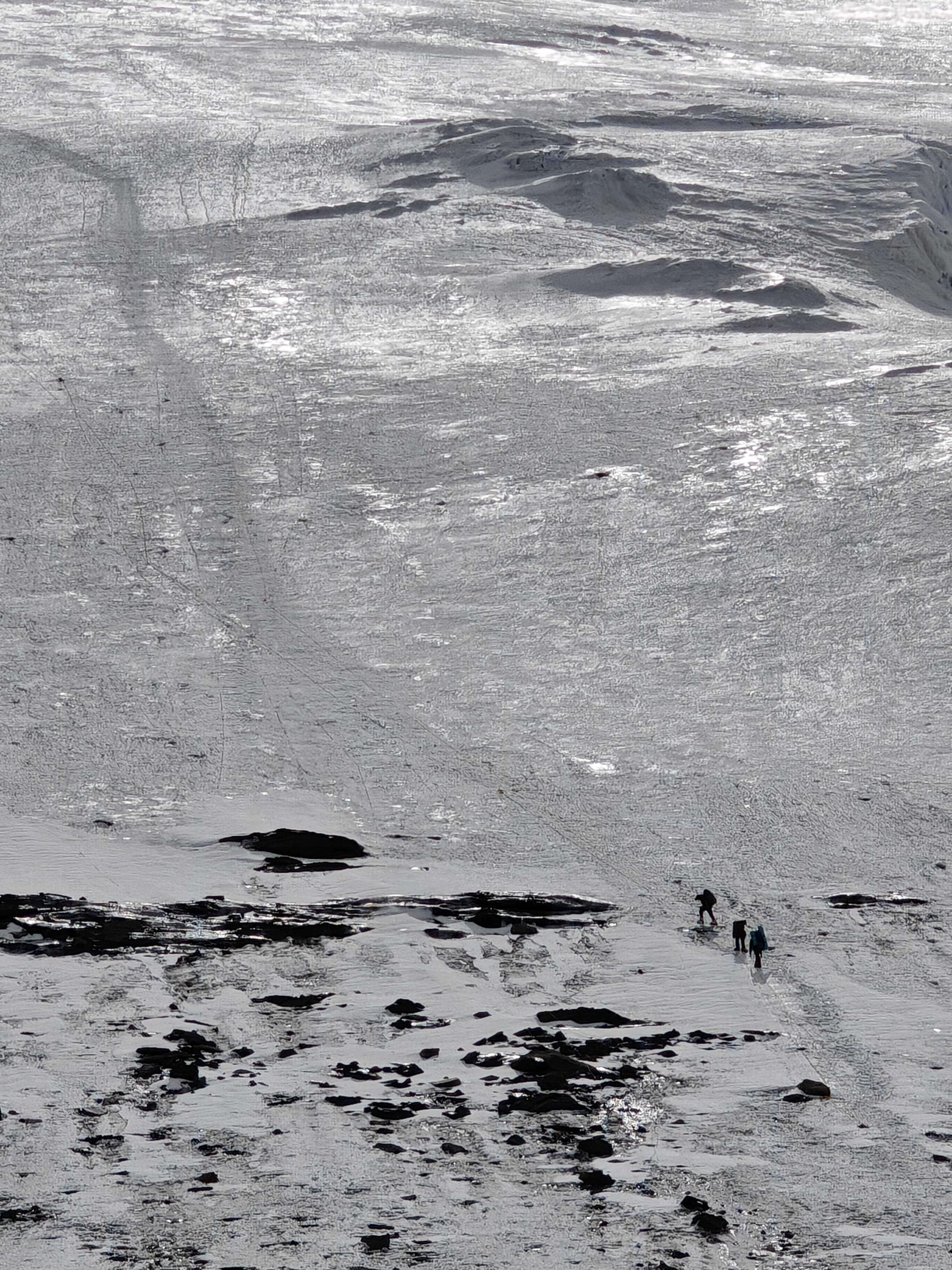
The simplest way to compare them is by how much margin you have. Nun is higher, more sustained, and less forgiving, so a delay or a bout of bad weather costs you more. Kun is a little lower and a little gentler, so a slow day is easier to absorb. Neither peak is a walk-up, though. Both require real mountaineering skill, strong cardiovascular fitness, and the ability to look after yourself at altitude. Weather in the Suru Valley can change quickly, and storms can pin teams down for days.
Acclimatization, Fitness, and Preparation
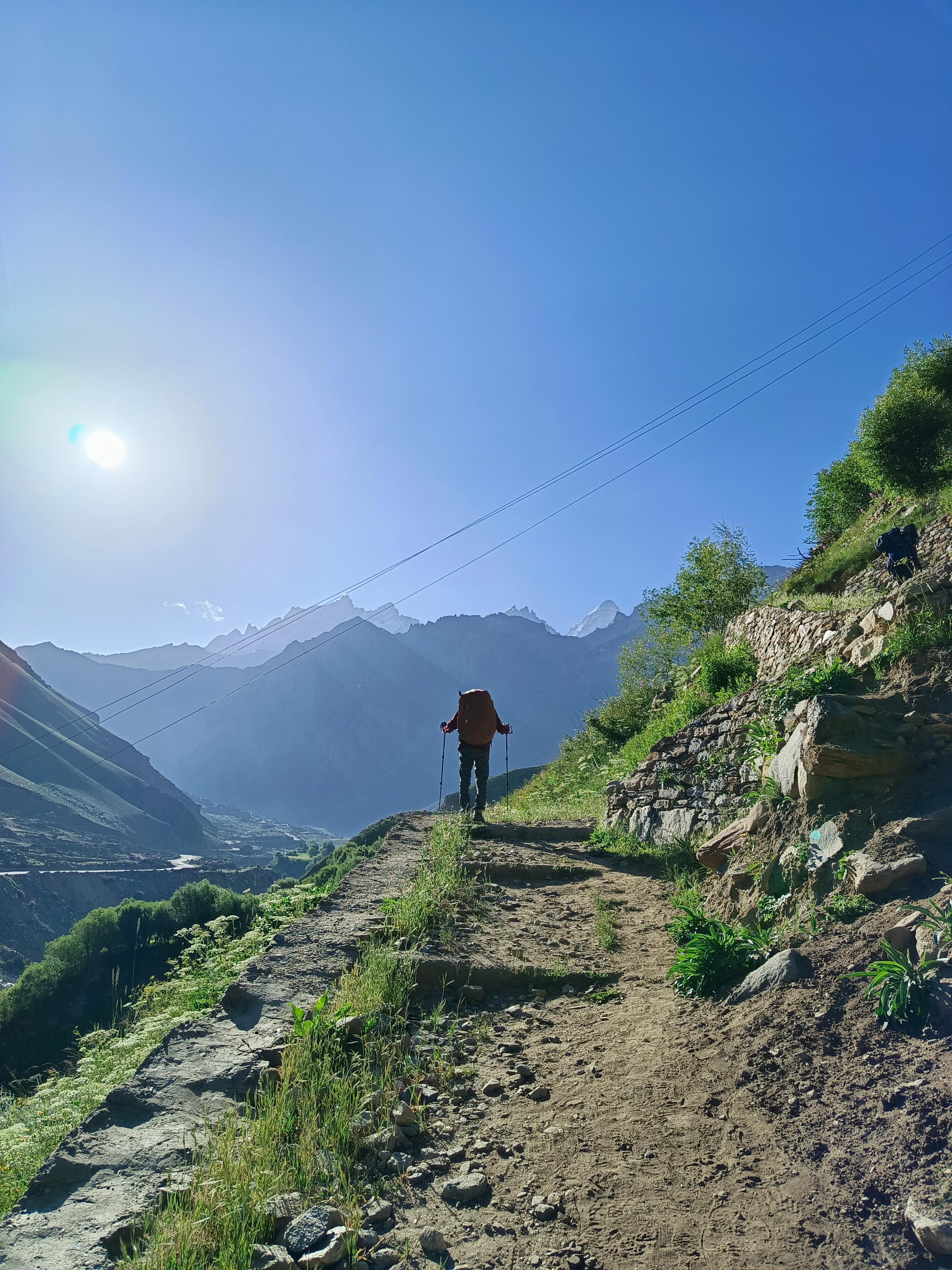
On either peak, acclimatization is the most important factor in success and safety. A good itinerary includes several rest and rotation days, climbing high and sleeping low, and a build-up through progressively higher camps. Altitude sickness can affect anyone, regardless of fitness, so know the symptoms of AMS, HAPE, and HACE and be ready to descend. For Nun the preparation should be more rigorous: months of cardio and strength training, practice with technical gear, and ideally prior experience on a 6,000-meter peak. For Kun the same fitness base applies, but you have slightly more room to learn along the way.
Best Season, Permits, and Logistics
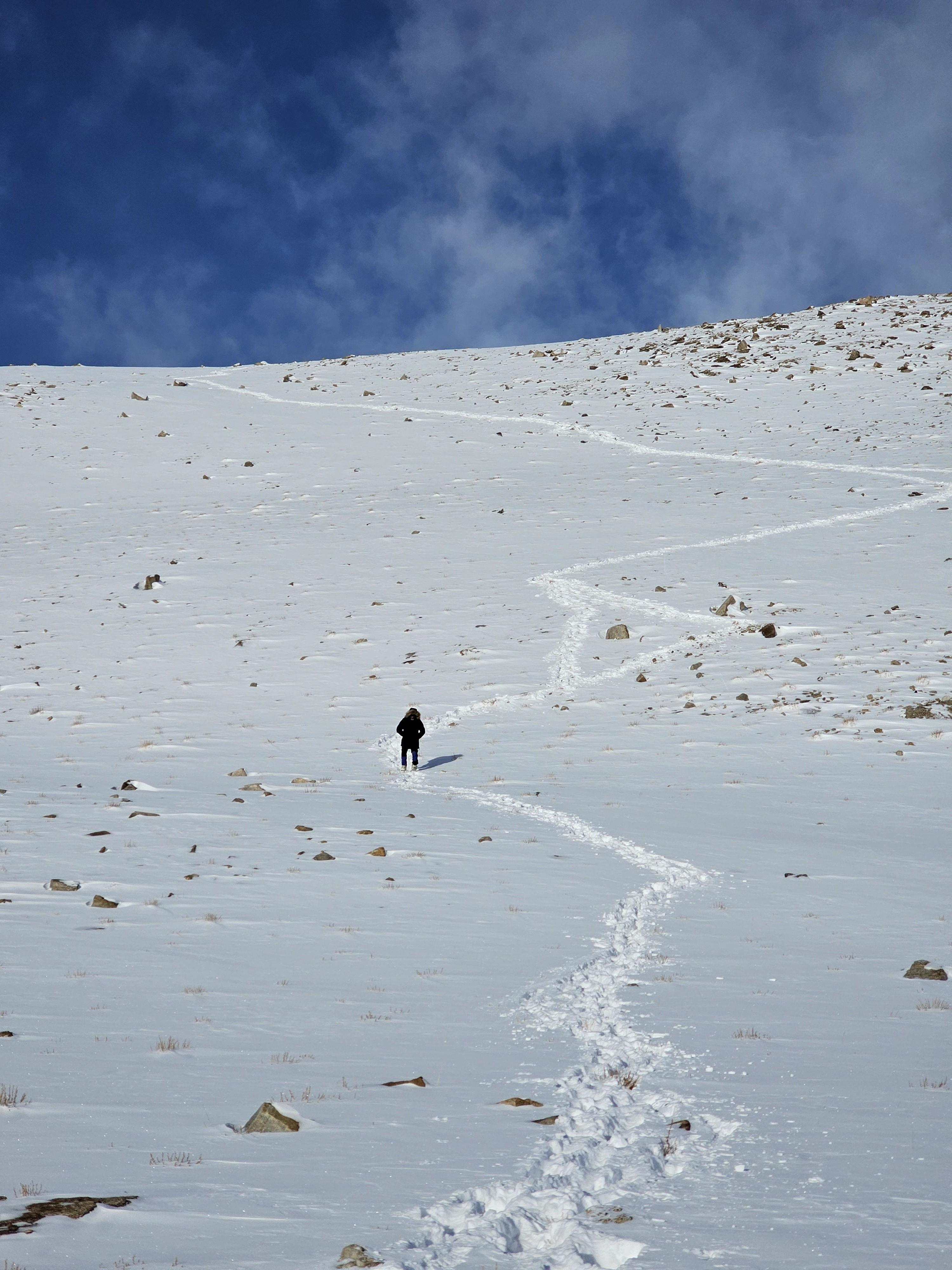
The main climbing window is generally from July to September, when conditions are most stable. Foreign and Indian climbers need to arrange permits through the Indian Mountaineering Foundation, and it is usual to go with a licensed expedition operator who handles permits, liaison officers, porters, camps, and food. Rules, fees, and regional restrictions can change, so always confirm the current requirements before booking. Check your insurance too, since it must cover high-altitude mountaineering and helicopter evacuation.
So, Nun or Kun?
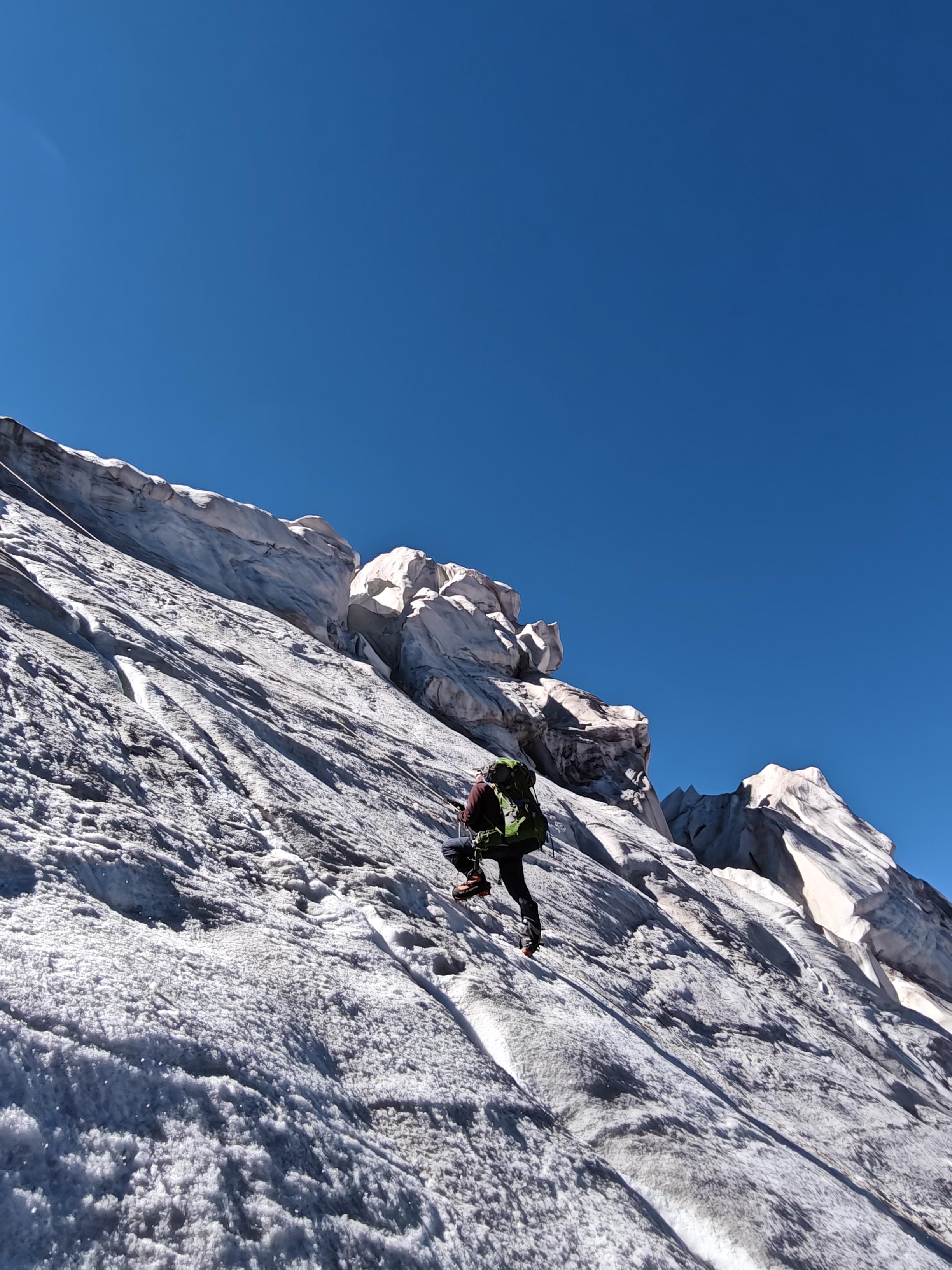
Choosing between Mount Nun and Mount Kun begins with understanding your own mountaineering goals. If reaching the higher of the two principal summits is an important objective, Mount Nun may be the more appealing choice because of its elevation of approximately 7,135 metres. Its reputation, historical significance and demanding upper mountain terrain make it an attractive goal for climbers with suitable experience. Mount Kun, at approximately 7,077 metres, is equally worthy of consideration for mountaineers who want to experience a serious high-altitude expedition in Ladakh. Its technical terrain, glaciated approach and challenging summit objective make it a substantial undertaking in its own right. Neither choice should be made simply because one peak is believed to be easier, safer or more suitable for beginners. Both require strong preparation, previous mountaineering experience, appropriate technical skills and a willingness to adapt the plan to the conditions. An experienced expedition leader can help assess which objective is most appropriate by reviewing previous climbs, technical ability, physical conditioning, acclimatisation experience and the climber's overall readiness. For climbers progressing towards more demanding Himalayan objectives, either mountain can provide valuable experience in expedition planning, high-altitude movement, camp management and decision-making under pressure. The best choice is the mountain that matches the climber's capabilities and objectives without compromising safety.
Can You Climb Mount Nun and Mount Kun in the Same Expedition?
Can You Climb Mount Nun and Mount Kun in the Same Expedition?
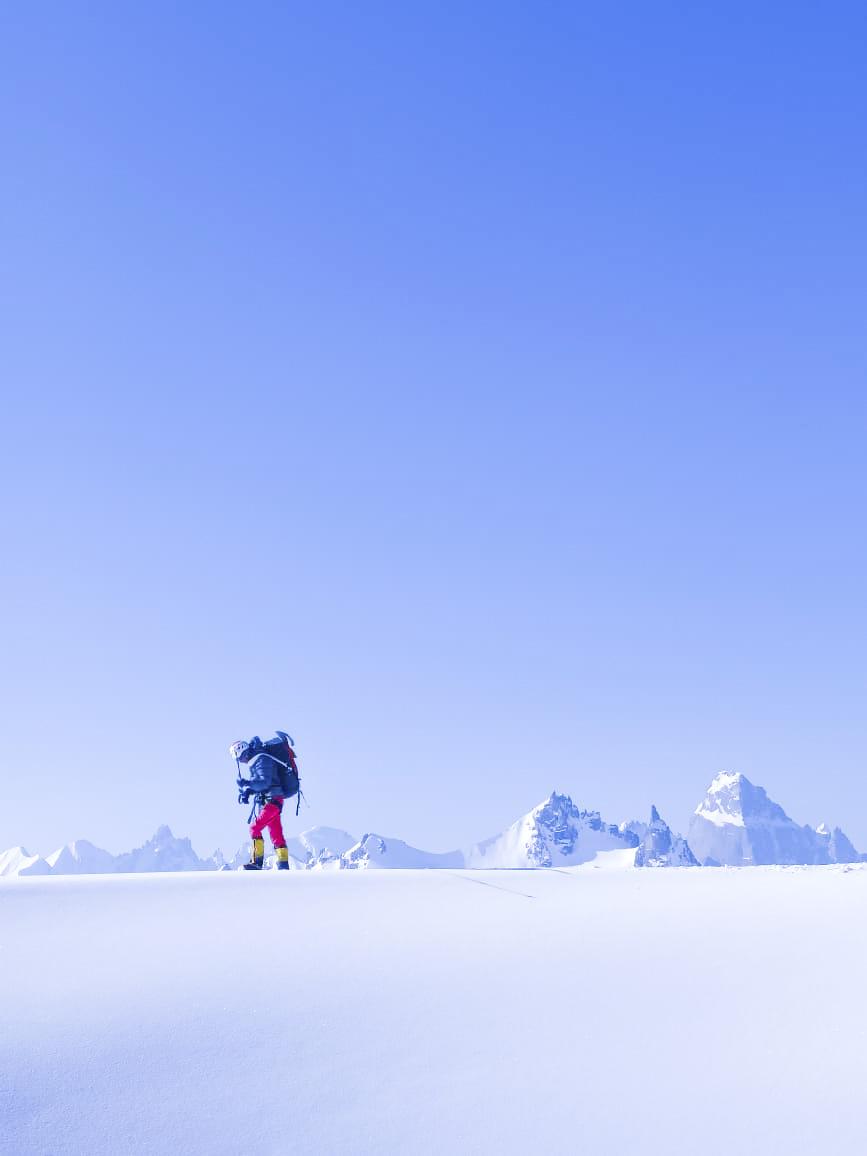
Climbing both Mount Nun and Mount Kun during a single expedition is an ambitious objective that requires careful logistical and physical planning. Although the peaks belong to the same massif, they are separate summits with distinct approaches and climbing requirements. Success on one does not automatically mean that a climber is ready to attempt the other immediately. A combined expedition must account for the time needed to acclimatise, establish camps, prepare the routes, complete the first ascent, recover and assess the condition of the team before beginning another summit attempt. Weather windows, the availability of support staff, equipment requirements, permits and the feasibility of moving between the two objectives must also be considered. The physical demands of a successful summit attempt can leave climbers exhausted, particularly after prolonged exposure to cold, altitude and inadequate sleep. Attempting a second major summit without sufficient recovery can increase the likelihood of mistakes and altitude-related complications. A combined expedition should therefore be designed around realistic conditions rather than an inflexible desire to climb both peaks. The possibility of climbing both mountains should be assessed by an experienced expedition leader with up-to-date information about the routes, logistics and conditions. Safety and the wellbeing of the team must remain the primary considerations throughout the plan.
Why Choose Frontpoint Adventures for Your Himalayan Mountaineering Journey?
At Frontpoint Adventures, we believe that every major mountain objective begins long before the first step towards base camp. Preparation, honest communication, responsible planning and respect for the mountains form the foundation of a meaningful expedition. Whether you are considering Mount Nun, Mount Kun or another demanding Himalayan peak, understanding the requirements of your chosen mountain is the first step towards preparing for the journey. A well-planned expedition should provide clear information about the route, expected conditions, equipment, acclimatisation schedule, team responsibilities, safety arrangements and the experience required from each participant. Climbers should be encouraged to ask questions, communicate concerns and make informed decisions at every stage. Mountaineering is not only about reaching a summit. It is also about developing discipline, learning to work with a team, adapting to changing conditions and understanding the limits of human performance in the mountains. These values are especially important on 7,000-metre peaks, where a small mistake or an unsuitable decision can have serious consequences. Frontpoint Adventures aims to help climbers approach Himalayan adventures with preparation, respect and a clear understanding of the challenges involved. Every mountain demands a different approach, and every expedition deserves careful planning. Our philosophy is to encourage ambitious goals while keeping responsible mountaineering at the centre of the journey.
Final Thoughts: Two Mountains, One Extraordinary Himalayan Region
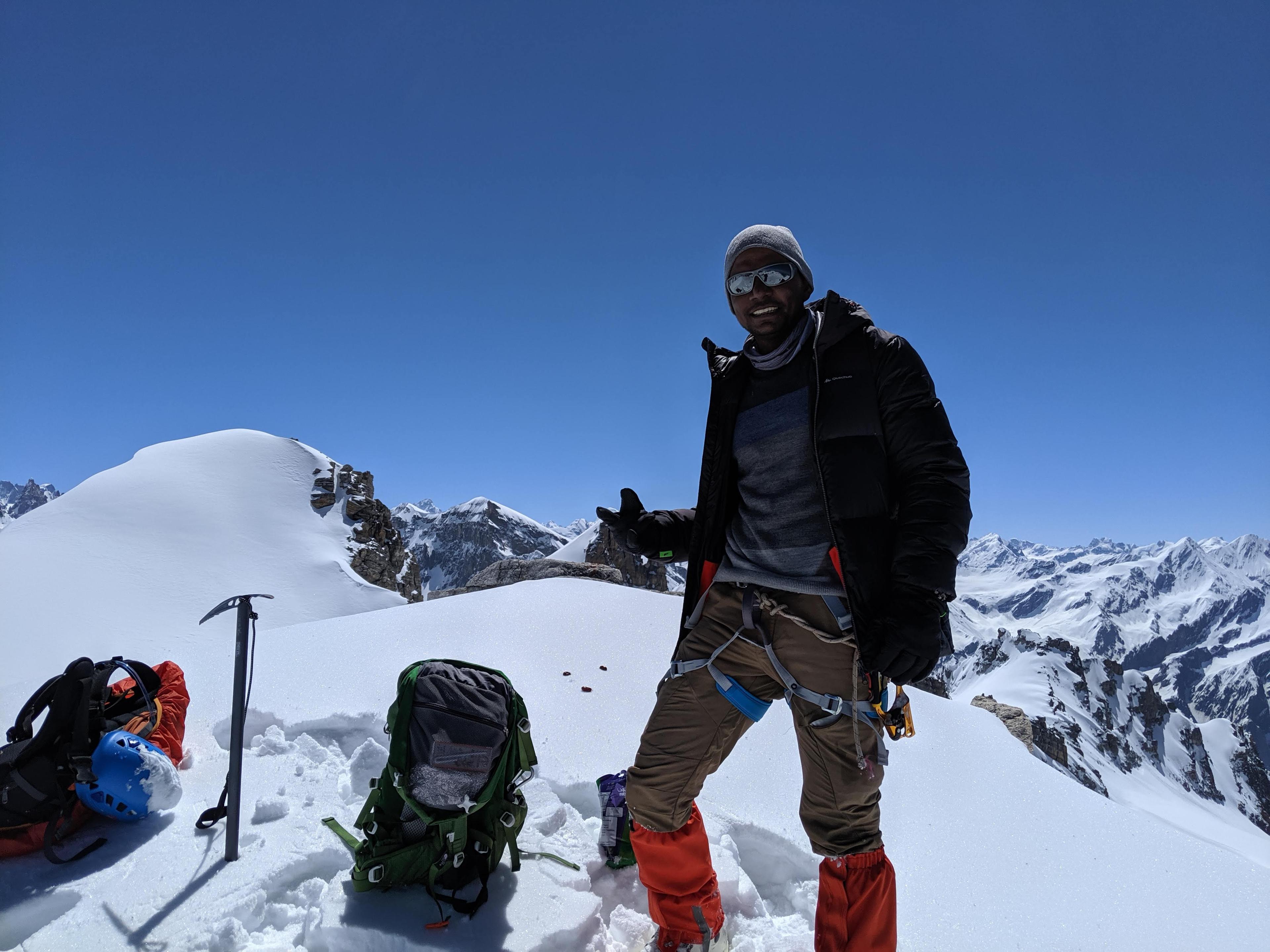
Mount Nun and Mount Kun represent two outstanding mountaineering objectives in the Indian Himalayas. Their proximity within the Nun–Kun massif connects them geographically, but their individual routes, terrain and climbing challenges make each summit a distinct experience. Mount Nun offers the higher elevation at approximately 7,135 metres, while Mount Kun stands at approximately 7,077 metres. Both demand excellent preparation, technical competence, appropriate acclimatisation and sound judgement. The decision between the two should ultimately depend on experience, objectives, route conditions and the advice of a qualified expedition leader. There is no universally easier choice, and neither mountain should be underestimated because of its altitude, reputation or proximity to the other. For those prepared to take on the challenge, the Nun–Kun massif offers an extraordinary opportunity to experience the scale and complexity of high-altitude Himalayan mountaineering. The greatest achievement is not simply standing on the summit, but completing the expedition with sound decisions, respect for the mountain and the wellbeing of the entire team intact. Frontpoint Adventures — Prepare Well. Climb Responsibly. Respect the Mountains.
Mountaineering information in this article is intended for general educational purposes. Route conditions, expedition logistics, climbing permissions and weather can change. Confirm current requirements with the relevant authorities and a qualified expedition operator before planning an ascent.