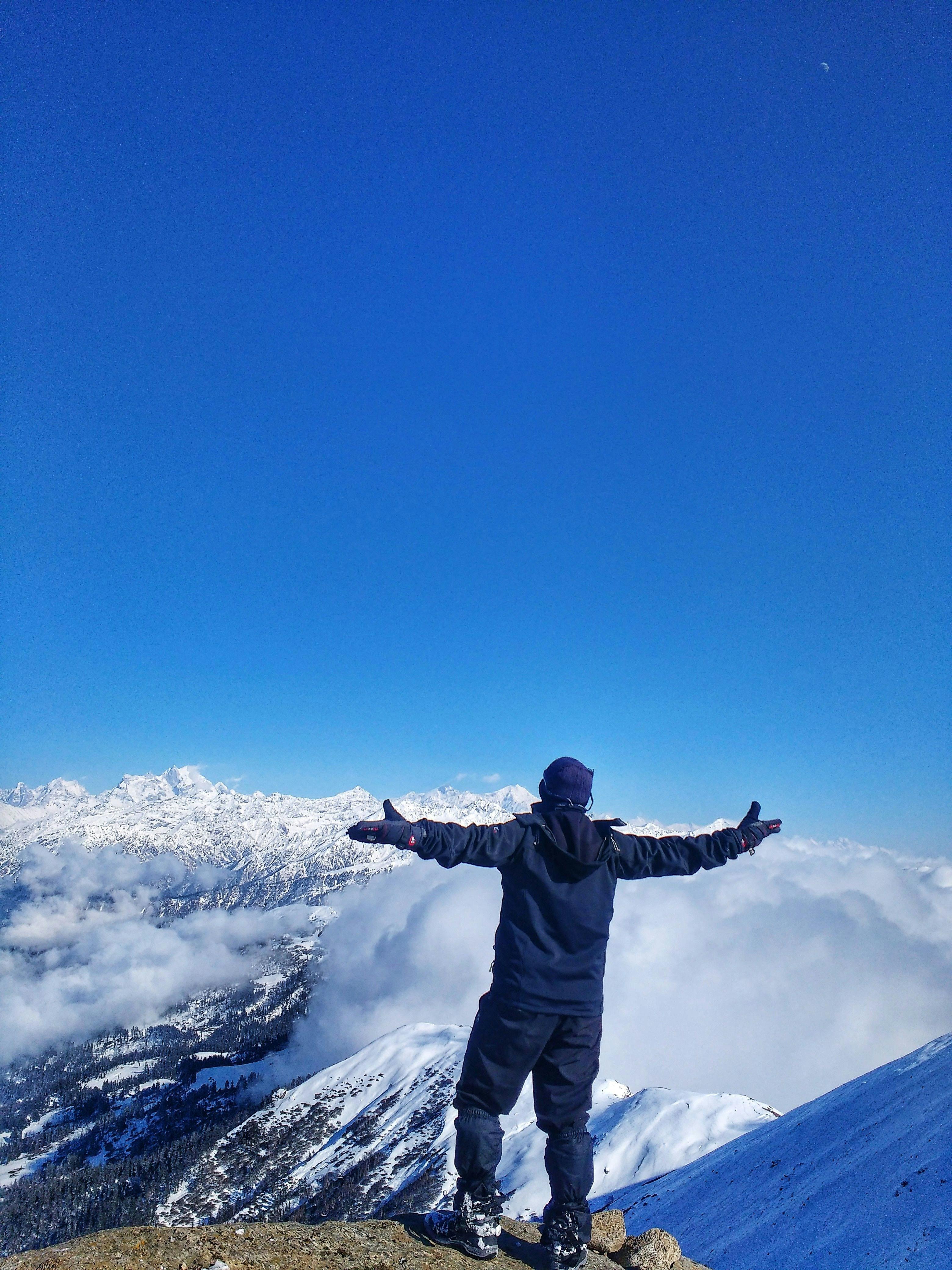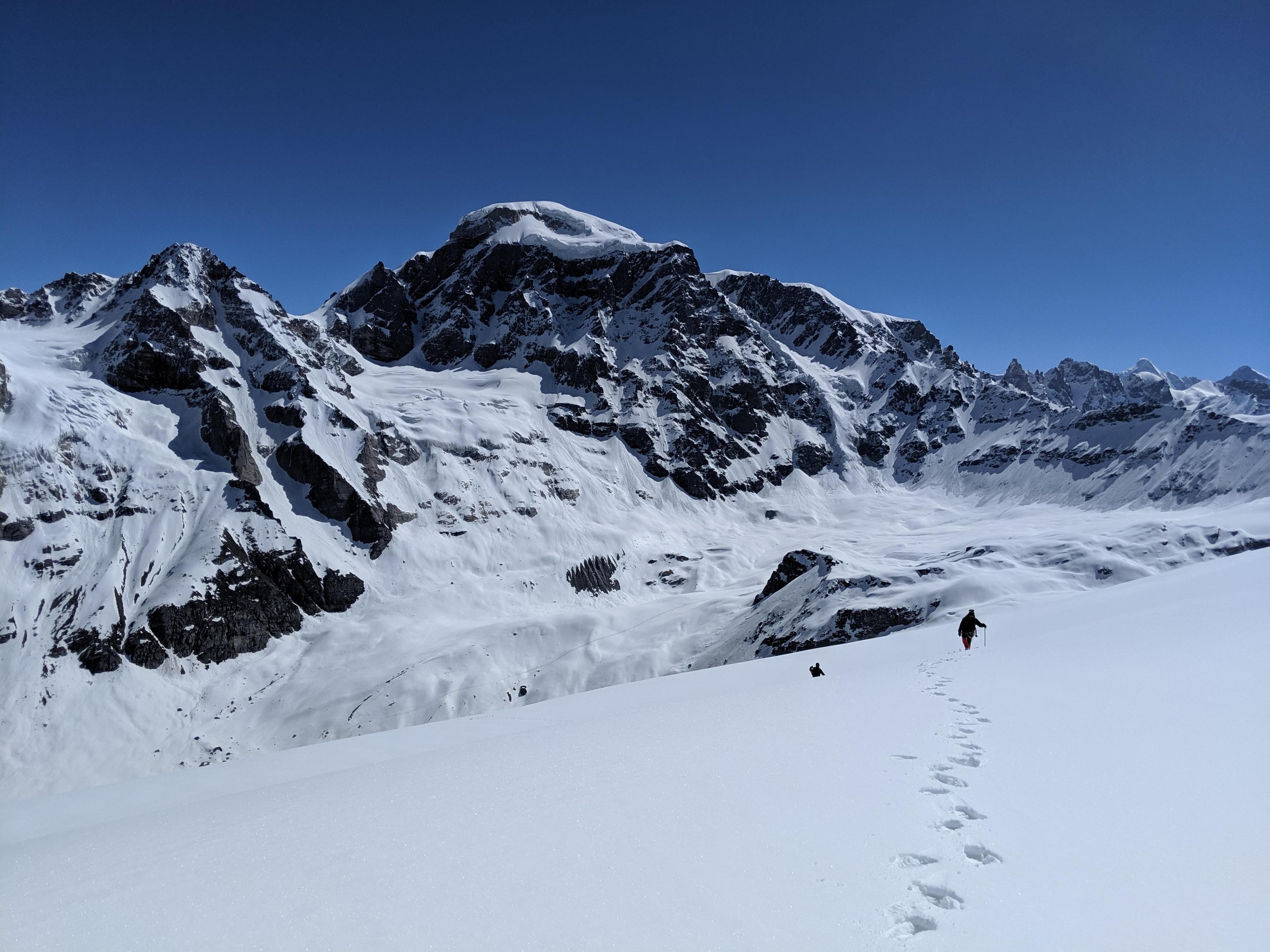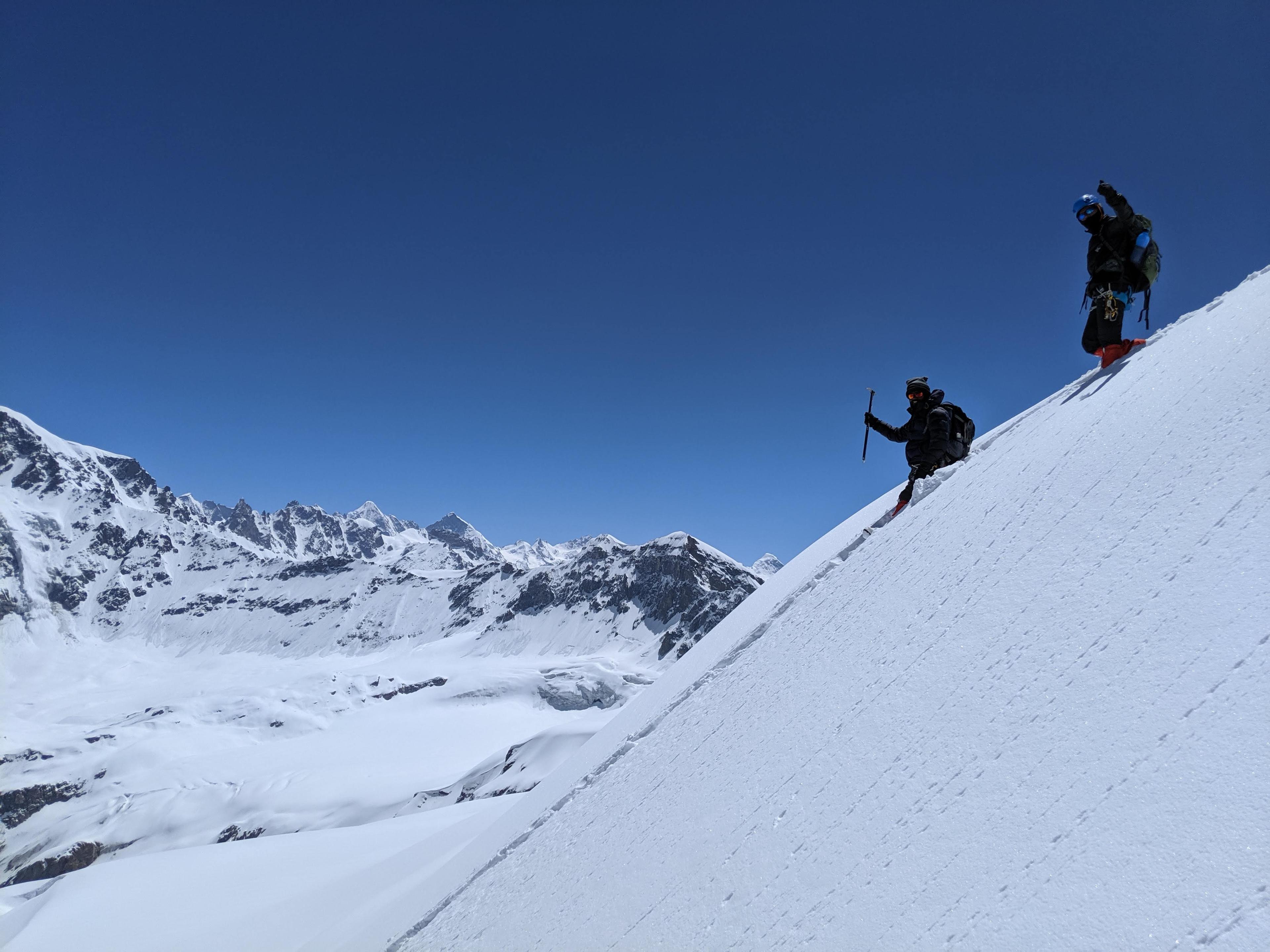
Transitioning from classic high-altitude trekking into the realm of Himalayan summits is one of the most transformative milestones an adventurer can undertake. In the Indian Himalayas.
Three distinct names repeatedly surface as premier stepping stones for mountaineers: Mount Friendship Peak (17,352 ft / 5,289 m) in the Pir Panjal Range near Manali, Yunam Peak (20,111 ft / 6,130 m) straddling the Lahaul-Ladakh border, and Kanamo Peak (19,553 ft / 5,960 m) rising above the high desert of Spiti Valley. While all three are often categorized as open trekking peaks that do not require formal technical mountaineering certifications, they represent fundamentally different mountain worlds. Choosing the right one comes down to understanding the technical terrain, physical endurance demands, altitude profiles, and acclimatization challenges that define each climb.
Understanding the Technical Demands and Mountain Terrain
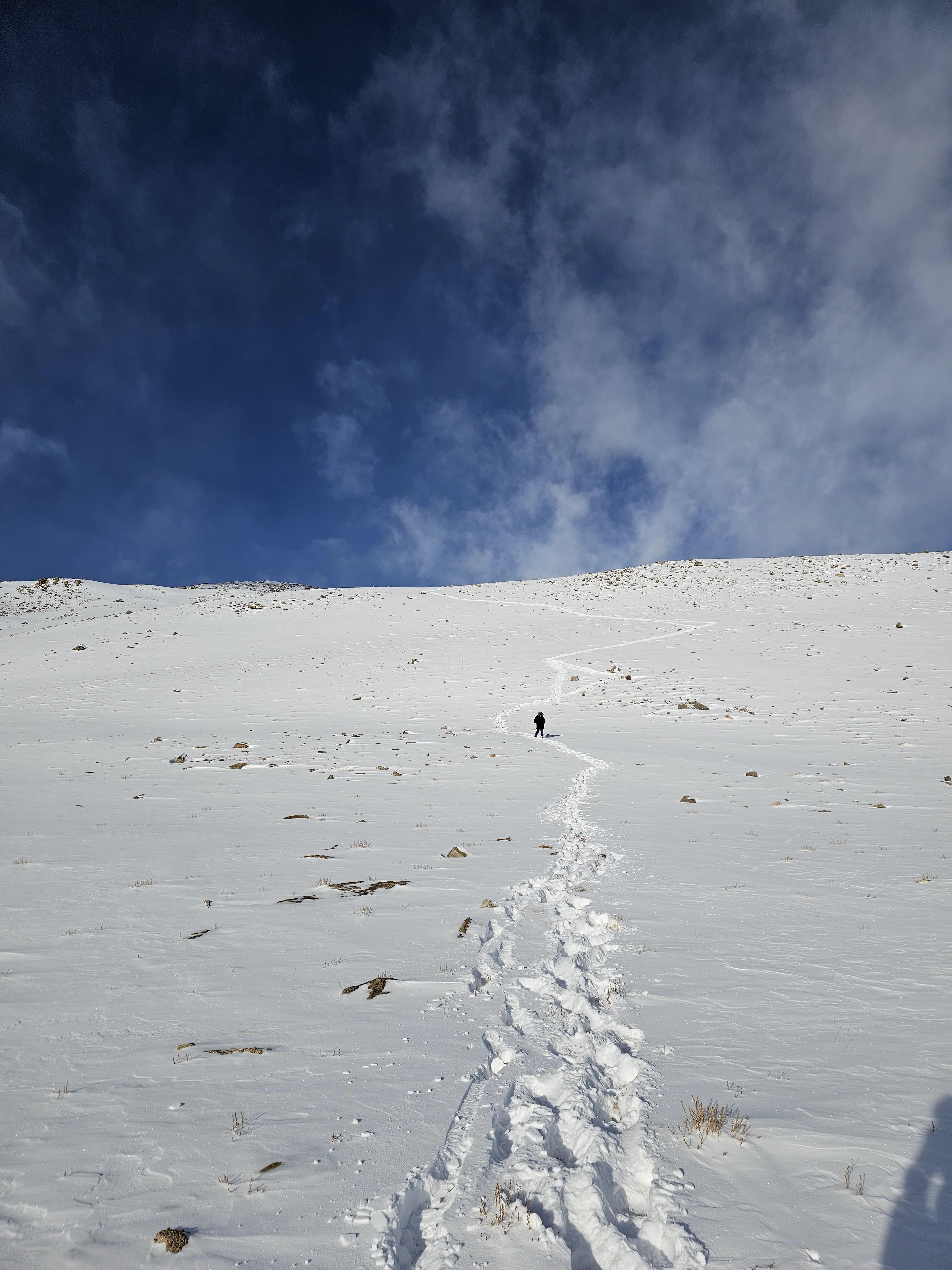
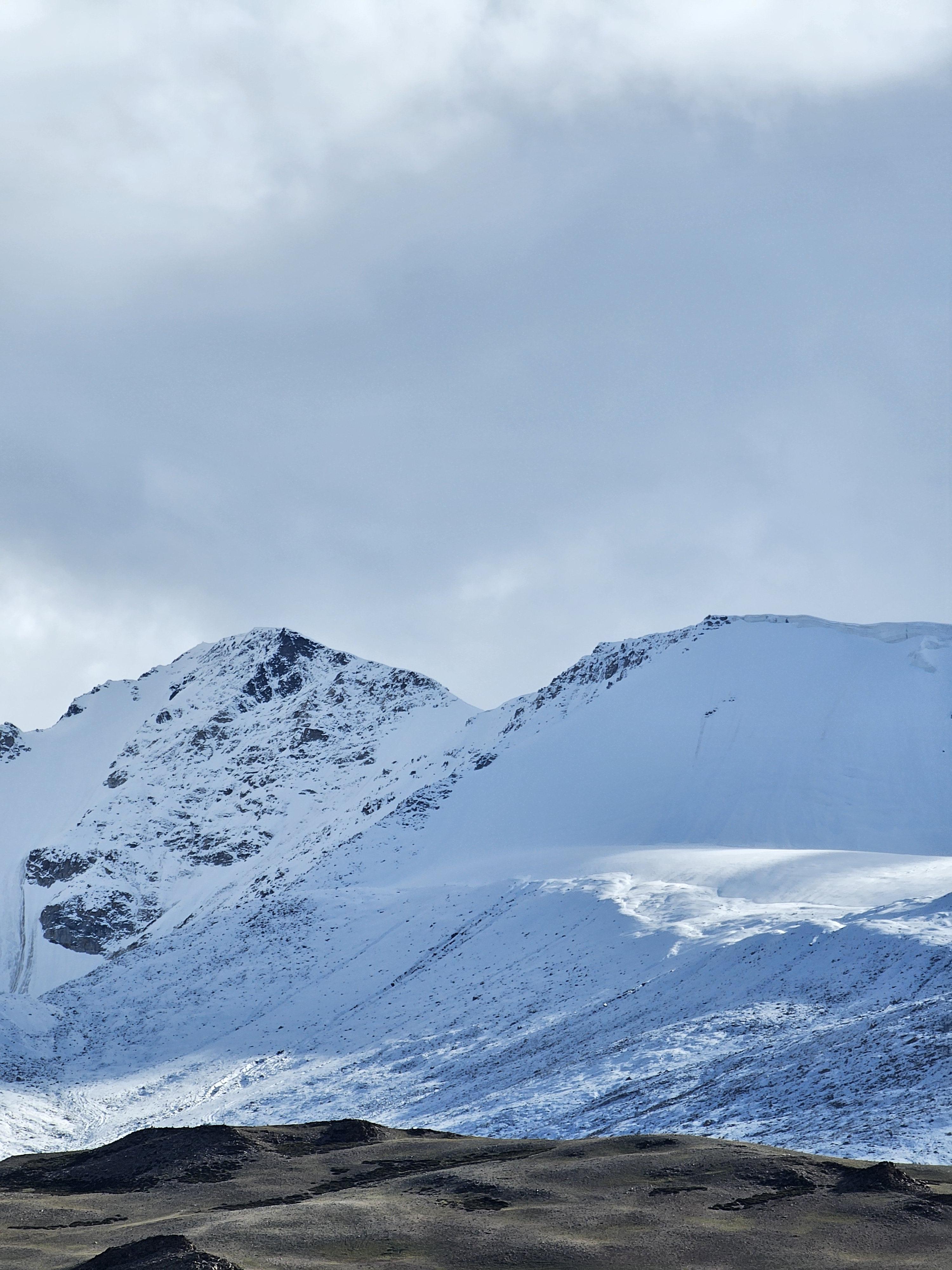
When evaluating technical difficulty, Mount Friendship Peak stands in a league completely distinct from Yunam and Kanamo. Friendship Peak is an authentic alpine climb that demands certified mountaineering gear and snow craft. Climbers must operate in stiff, double-layered plastic or hybrid mountaineering boots fitted with steel crampons. You will navigate active glaciated terrain in the Beas Kund basin, negotiate crevassed moraines, practice rope team movement, and ascend steep 45-to-50-degree snow and ice slopes using climbing harnesses, carabiners, and mechanical ascenders on fixed ropes. The final push along its razor-thin, wind-scoured summit ridge requires an ice axe for self-arrest and delicate balance on icy terrain. If your ambition is to master the fundamentals of alpine climbing, technical equipment handling, and real rope management, Friendship Peak provides the uncompromising laboratory you need. In stark contrast, Yunam Peak and Kanamo Peak are largely non-technical from an alpine equipment standpoint, yet they introduce a completely different kind of terrain challenge. Kanamo Peak is an endurance test dominated by the arid, unforgiving nature of the cold desert. The climb above its basecamp involves ascending thousands of vertical feet across steep, loose shale, shifting scree, and fractured rock. For every two steps forward on Kanamo’s steep face, you often slide half a step backward in the crumbling gravel, requiring immense calf stamina, ankle stability, and mental patience. Ice axes and technical ropes are rarely deployed on Kanamo unless an unseasonal storm leaves hard verglas on the summit arête. Yunam Peak presents a brutal hybrid of moraine, endless scree, and high-altitude snow shelves. Located near the Baralacha La corridor, its lower and middle slopes consist of massive boulder fields, sharp scree, and frost-shattered shale, while the final summit ridge often demands microspikes or crampons to navigate hard-crusted snow arêtes. While you do not need harnesses or ascenders on Yunam, the sheer energy required to lift heavy boots across loose, sliding rock above 19,000 feet makes its physical movement exceptionally demanding.
Acute Mountain Sickness, Elevation Gradients, and Acclimatization
The physiological battle with thin air is where these three mountains reverse roles entirely. While Friendship Peak is the most technically complex, it is the lowest in absolute elevation, topping out at 17,352 feet. The expedition begins at Dhundi around 9,300 feet, allowing a natural, progressive walking ascent through the pine and birch forests of Bakarthach up to Lady Leg. Because climbers spend several days actively trekking and gaining elevation gradually, the cardiovascular system has adequate time to build red blood cells, resulting in a comparatively moderate risk profile for Acute Mountain Sickness, provided hydration is maintained. Yunam Peak, on the other hand, presents one of the most aggressive altitude jumps in commercial Himalayan mountaineering. Climbers drive directly up the Manali–Leh highway to Bharatpur basecamp, which sits at a staggering 14,800 feet. Gaining this much elevation by vehicle rather than on foot creates an immediate, acute vulnerability to hypoxia. Reaching its summit of 20,111 feet pushes climbers past the monumental 6,000-meter barrier, where effective atmospheric oxygen drops to nearly half of sea-level density. Without strict rest days in Jispa, structured acclimatization hikes up neighboring ridges, and disciplined monitoring of blood oxygen saturation, the risk of high-altitude complications like High Altitude Pulmonary Edema or High Altitude Cerebral Edema increases substantially on Yunam. Kanamo Peak occupies a unique middle ground with high altitude exposure. The starting village of Kibber is already situated at roughly 14,200 feet, which requires participants to have spent at least two to three days resting in Kaza and touring the Spiti Valley beforehand. Moving from basecamp to the 19,553-foot summit demands a relentless, continuous vertical ascent of over 3,800 feet in a single push. The dry, moisture-deprived air of Spiti rapidly dehydrates the respiratory tract, accelerating physical fatigue and altitude headaches. On Kanamo, your body must adapt to extreme hypoxia while continuously exerting maximum cardiovascular effort on loose gravel.
Weather Patterns, Geography, and Route Characteristics
The atmospheric environments of these peaks vary widely due to the massive physical wall of the Greater Himalayas. Friendship Peak lies on the windward side of the Pir Panjal Range in the lush Kullu Valley. This makes it vulnerable to sudden oceanic weather systems, dense convective cloud covers, and heavy afternoon snowfall even during the pre-monsoon summer months. The climbing window is strictly divided between early summer when snow cover is stable, and autumn when the skies clear into crisp, freezing stability. Yunam and Kanamo, however, sit deep within the trans-Himalayan rain-shadow zones of Lahaul and Spiti. The towering mountain ranges block the southwest Indian monsoon, allowing both peaks to be climbed safely in the middle of summer when most of northern India is engulfed in heavy rains. On Kanamo and Yunam, heavy rains are replaced by intense high-altitude ultraviolet radiation, dry desert gale winds, and sub-zero nighttime temperatures that drop precipitously as soon as the sun dips below the barren horizon.
Which Peak Should You Choose?
Deciding which summit to tackle depends entirely on your personal mountaineering ambitions, current physical conditioning, and comfort with alpine gear. If your ultimate goal is to become an alpine mountaineer, learn how to climb on fixed ropes, use an ice axe, wear crampons, and navigate glacial terrain on an exposed snow ridge, Mount Friendship Peak is your ideal mountain. It offers the purest alpine summit experience in Himachal Pradesh and bridges the gap between trekking and serious expedition climbing. If you are a physically resilient trekker looking to conquer the psychological and physiological milestone of the 6,000-meter mark without dealing with technical rope systems, Yunam Peak is the definitive challenge. It tests your lung capacity, cold resistance, and mental grit against extreme altitude and raw trans-Himalayan wilderness. If you thrive on rugged desert landscapes, possess strong knees and calves, and want to summit a 19,500-foot giant while exploring the ancient Buddhist monasteries and cold-desert culture of Spiti Valley, Kanamo Peak is the natural choice. Its sheer vertical scree grind offers one of the most rewarding non-technical endurance triumphs anywhere in the Himalayas.