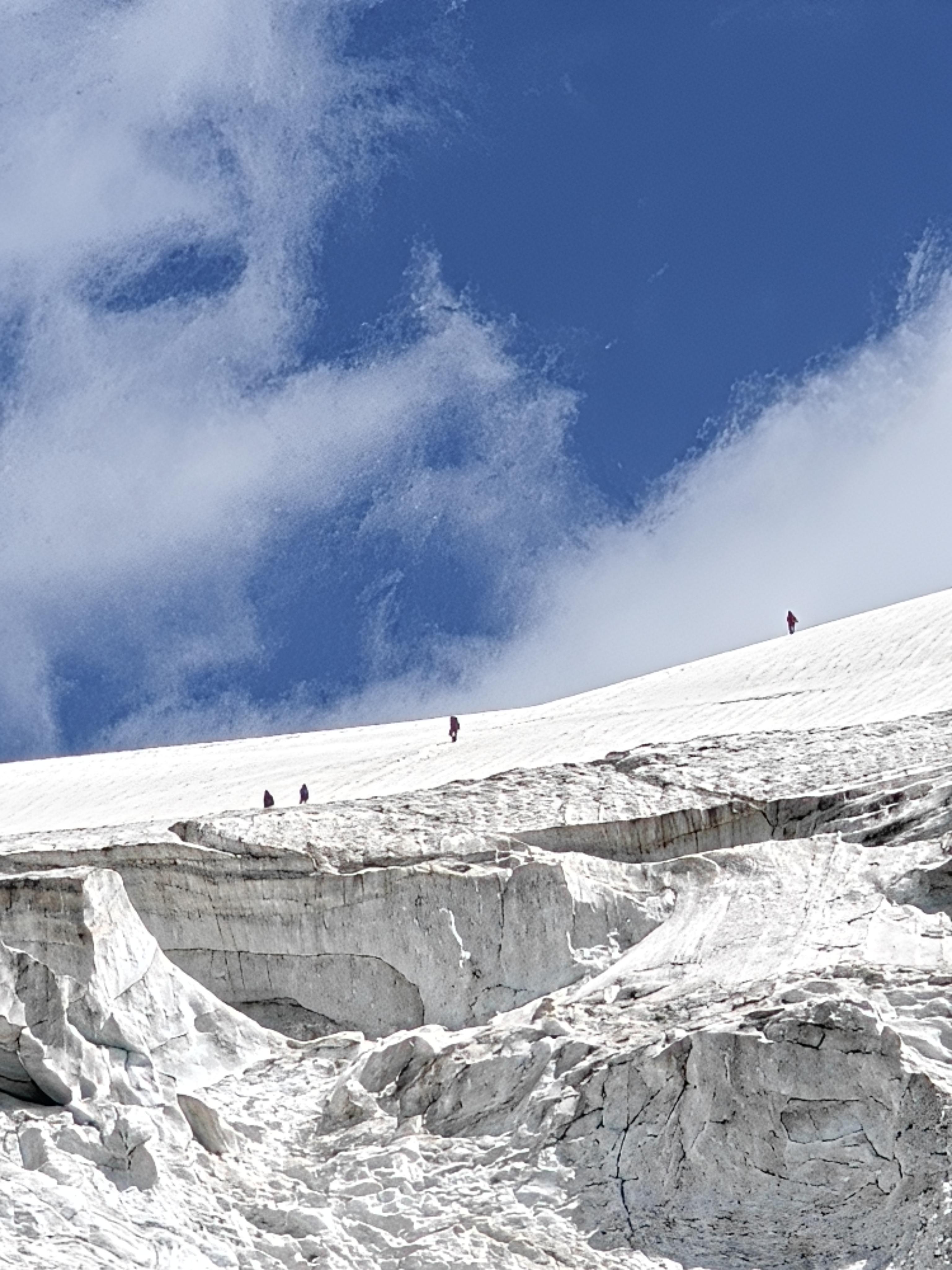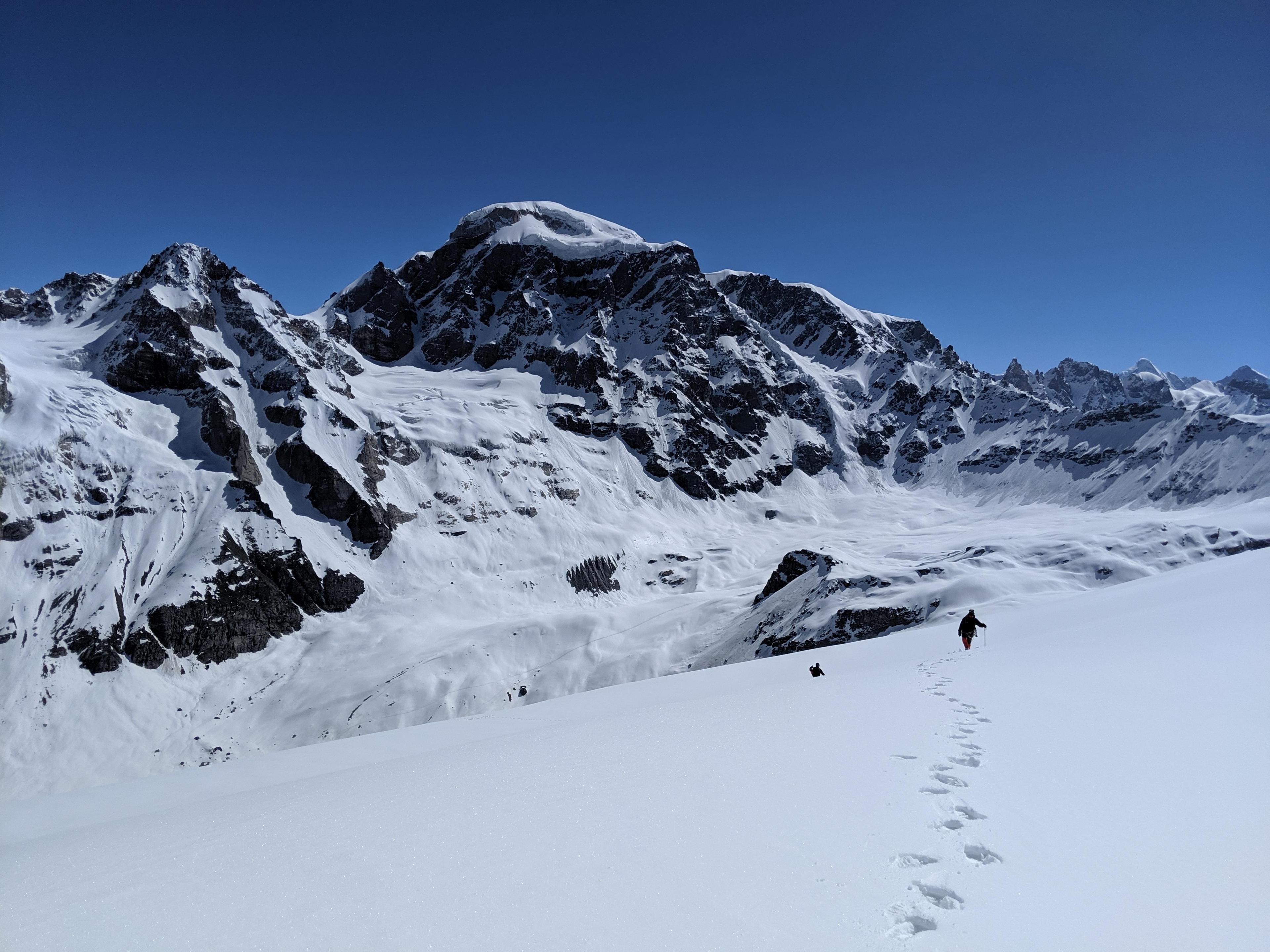
The Himalayas draw adventurers to their snow-swept passes, frozen lakes, and high ridges. Yet rising above 2,500 meters introduces a physiological challenge every trekker must understand: altitude sickness.
Reaching a summit matters, but returning safely matters more. Whether you are trekking Kedarkantha, Hampta Pass, Rupin Pass, Goechala, or Everest Base Camp, recognizing early warning signs ensures responsible, life-saving mountain decisions. Medical Disclaimer: This guide provides general educational information and does not substitute for qualified medical advice. Consult a healthcare professional before high-altitude travel.
What Is Altitude Sickness?
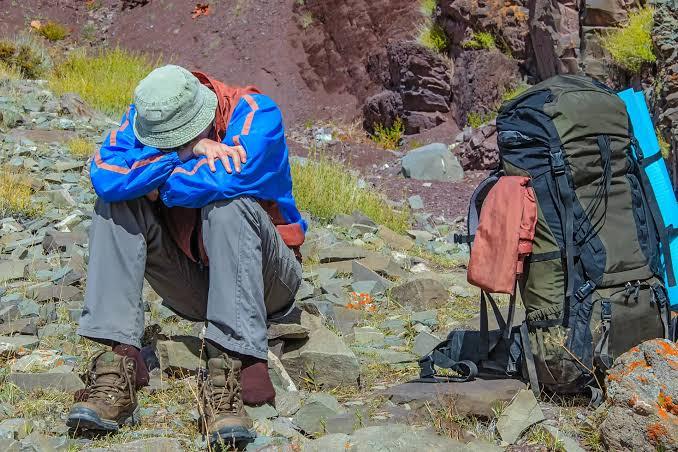
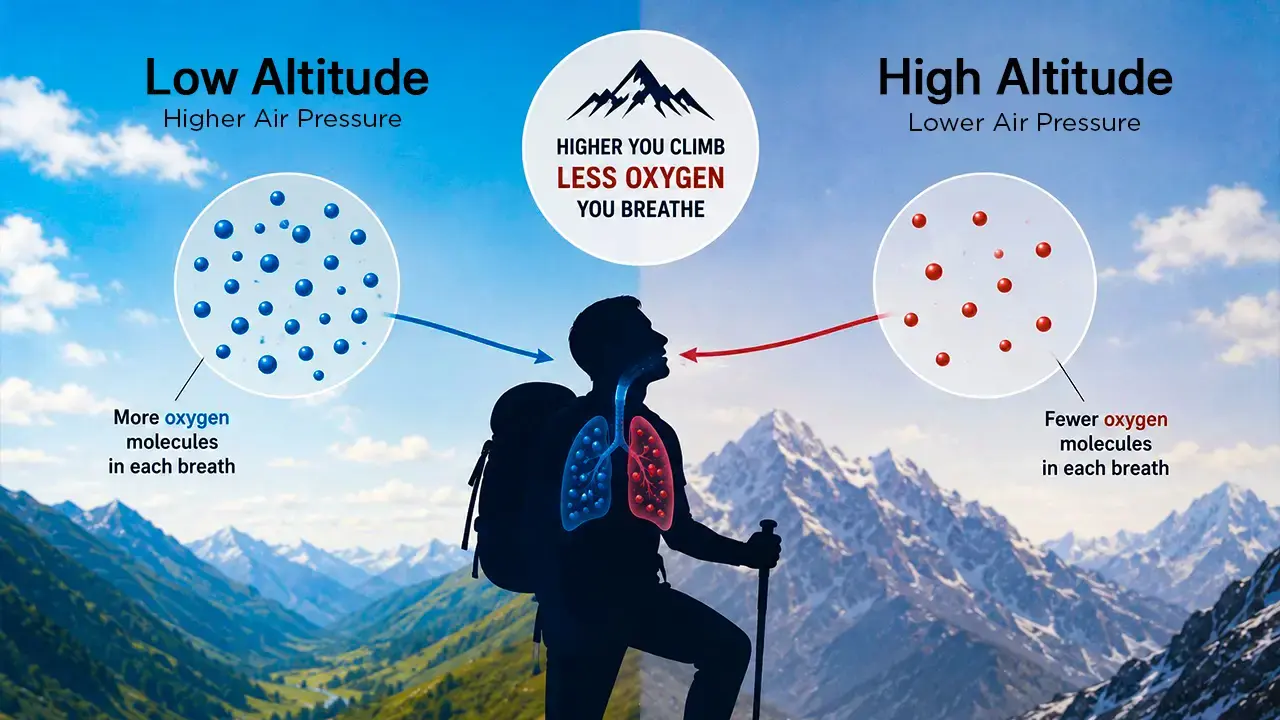
Altitude sickness occurs when the body struggles to adapt to lower barometric pressure at high elevations. Although the percentage of oxygen in the atmosphere remains roughly 21%, lower air pressure means each breath delivers fewer oxygen molecules to your bloodstream. Your body requires time to adjust—a physiological process called acclimatization. Ascending faster than your body can adapt causes altitude illness. A common myth is that high physical fitness prevents altitude sickness. It does not. Elite endurance athletes, veteran mountaineers, and first-time hikers share equal biological vulnerability. Ascent rate, sleep elevation profile, genetic predisposition, and personal acclimatization pacing dictate your risk.
Category Fast Facts Risk Elevation Primarily increases above 2,500 meters Mild / Common Form Acute Mountain Sickness (AMS) Severe / Fatal Forms High-Altitude Pulmonary Edema (HAPE), High-Altitude Cerebral Edema (HACE) Primary Trigger Ascending too rapidly / gaining sleeping altitude too fast Core Prevention Conservative ascent profiles and scheduled acclimatization days Core Treatment Halt ascent; descend immediately if symptoms are severe or worsening
1. Acute Mountain Sickness (AMS)
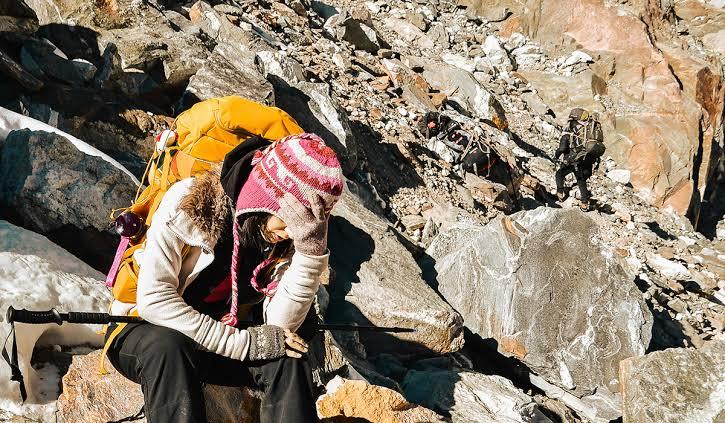
AMS is the most frequent variant. Trekkers often describe it as feeling like a severe hangover, typically setting in 6 to 12 hours after arriving at a new elevation. • Symptoms: Throbbing headache, nausea, loss of appetite, fatigue, dizziness, insomnia, and vomiting. • Response: Stop ascending immediately. Rest, hydrate, and monitor your physical condition. Do not ascend to a higher sleeping altitude while symptoms persist. If symptoms fail to resolve or worsen over 24 hours, descend.
2. High-Altitude Pulmonary Edema (HAPE)
HAPE occurs when fluid accumulates in the air sacs (alveoli) of the lungs, dangerously restricting blood oxygenation. It can progress to respiratory failure within hours. • Symptoms: Severe breathlessness at rest, persistent dry cough developing into wet cough with pink or frothy sputum, rattling chest sounds, cyanosis (blue/gray fingernails or lips), and rapid physical collapse. • Response: A critical medical emergency. Halt ascent, administer supplemental oxygen if available, and descend immediately (at least 500–1,000 meters). Do not wait for conditions to improve at elevation.
3. High-Altitude Cerebral Edema (HACE)
HACE occurs when low oxygen triggers fluid leakage into brain tissues, causing intracranial swelling. It is universally life-threatening without prompt intervention. • Symptoms: Severe, unresponsive headache, ataxia (loss of physical coordination; inability to walk heel-to-toe in a straight line), confusion, altered personality, slurred speech, hallucinations, stupor, and coma. • Response: Immediate emergency evacuation and descent. Every minute delayed increases the risk of permanent neurological deficit or death.
Primary Causes & Risk Factors
• Rapid Ascent: Gaining excessive vertical sleeping elevation in a single 24-hour cycle. • Strenuous Overexertion: Pushing maximal physical effort during the initial days at high elevation. • Inadequate Hydration & Nutrition: Suppressed thirst and appetite leading to metabolic depletion. • Depressants: Alcohol or sedative use, which depress respiration during sleep. • Concealing Symptoms: Trekkers ignoring early mild AMS to avoid holding back a group.
Essential Prevention Protocols
1. Ascend Conservatively: Above 3,000 meters, limit sleeping elevation gains to 300–500 meters per 24 hours, scheduling a dedicated rest day every 3 to 4 days. 2. Climb High, Sleep Low: Use acclimatization hikes to gain elevation during the afternoon, returning to a lower camp to sleep. 3. Calibrated Hydration: Drink 3 to 4 liters of fluids daily to match respiratory water loss. Avoid both under-hydration and hyper-hydration (hyponatremia). 4. Avoid Alcohol & Smoking: Keep respiration uninhibited and natural sleep cycles steady. 5. Caloric Support: Maintain regular, high-carbohydrate meals (rice, oats, pasta, soups) even when appetite wanes. 6. Transparent Communication: Report headaches, low energy, or nausea immediately to your guide team.
Medications & Emergency Response
Prophylactic medications like Acetazolamide (Diamox) speed up natural acclimatization by stimulating breathing, while Dexamethasone and Nifedipine are emergency clinical countermeasures for HACE and HAPE. Never self-medicate based solely on internet forums. Suitability, dosage, sulfa allergies, and side effects must be reviewed with a travel medicine physician before departure. Medications do not substitute for acclimatization or descent.
Critical Red Flags Demanding Immediate Descent Breathlessness while sitting completely at rest Inability to balance or walk a straight line (ataxia) Disorientation, apathy, or confusion Pink, frothy sputum or chest congestion Persistent, intractable vomiting Grayish or blue-tinged lips and nail beds When these appear: Halt ascent → Administer high-flow oxygen/hyperbaric bag if available → Descend immediately to lower elevation.
The Frontpoint Adventures Safety Standard
At Frontpoint Adventures, expeditions balance bold exploration with safety margins. Our high-altitude safety framework includes: • Physiologically Paced Itineraries: Built-in acclimatization cushions, controlled elevation gains, and contingency weather buffers. • Medical Monitoring: Routine twice-daily pulse-oximeter screenings and symptom tracking by certified mountain leaders. • Trained Leadership: Wilderness First Aid (WFA) and mountaineering-certified expedition leaders trained to act decisively on evacuation protocols. • Evacuation Preparedness: Integrated wilderness emergency plans, oxygen kits, and rescue coordination across remote Himalayan valleys. The Golden Mountain Rule: Never ascend with symptoms of altitude illness. Summits endure across seasons; your physical safety comes first.