Ladakh · India
Mt. Kun Expedition
Nun's 7,077 m twin above the Suru valley
The trek
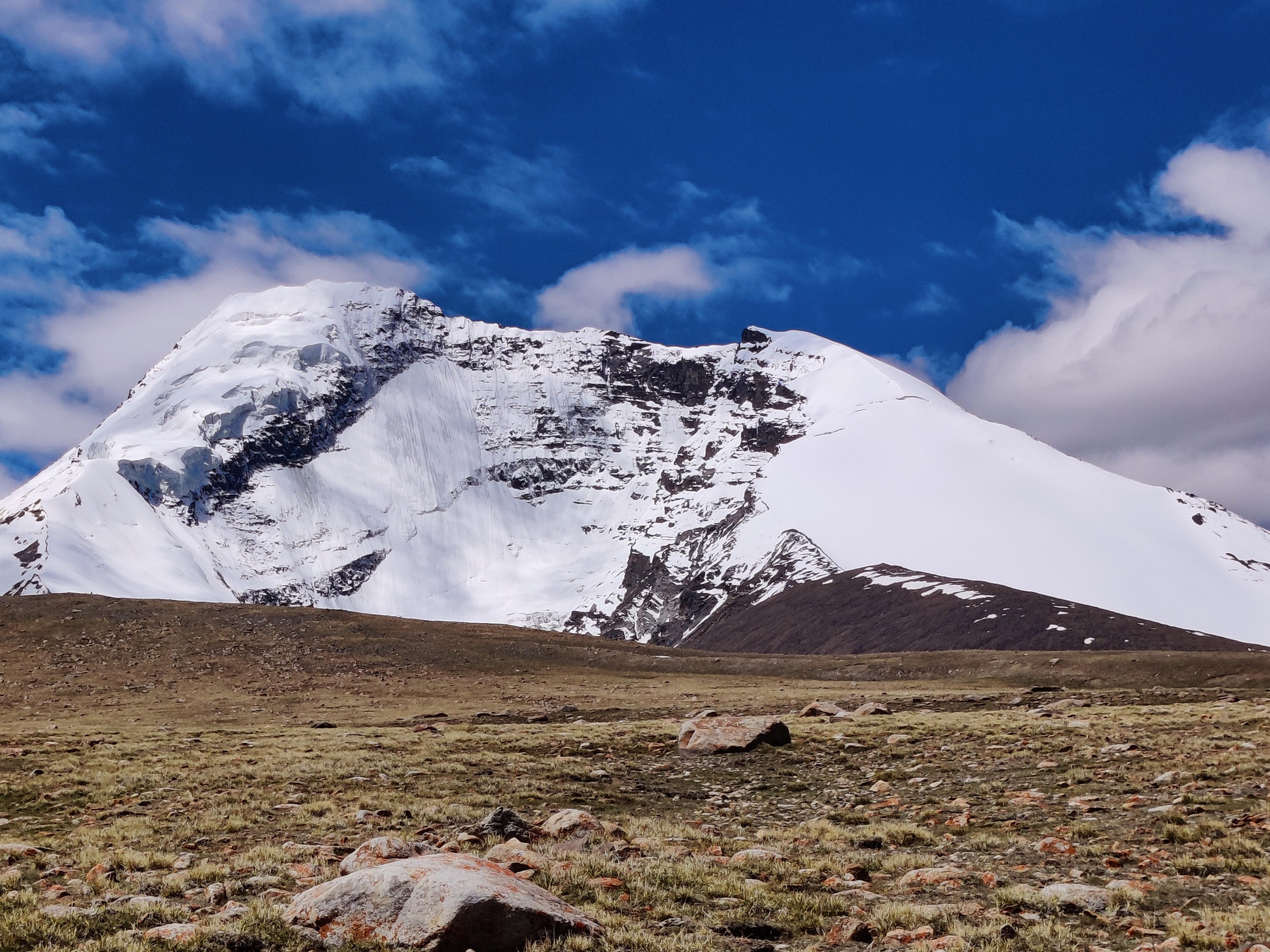
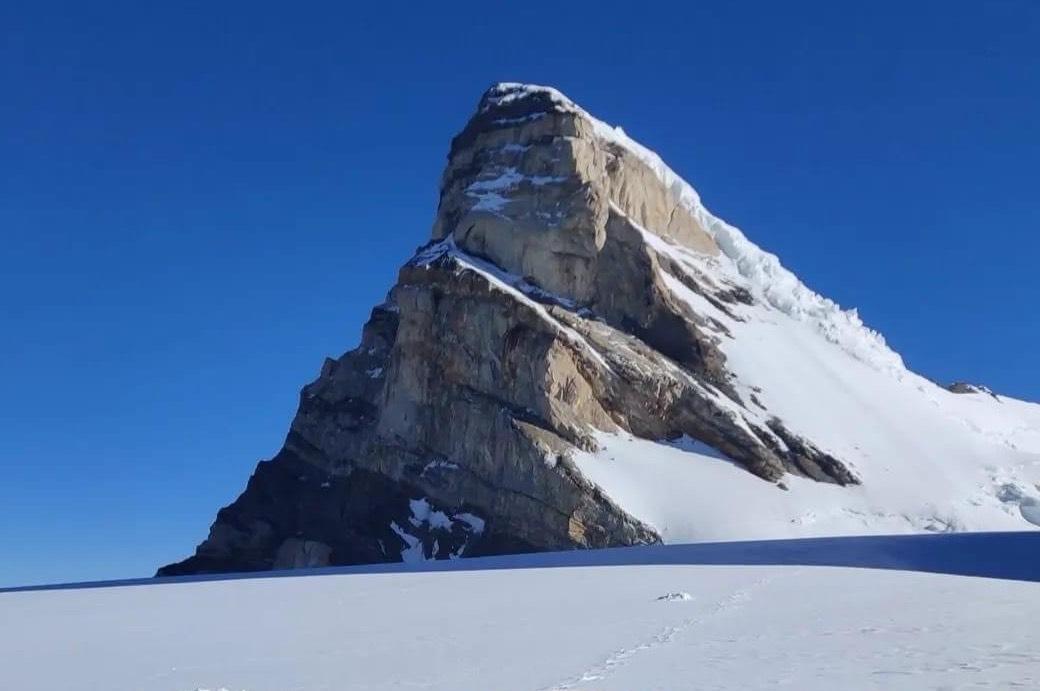
Rising sharply above the upper Suru Valley in the Kargil district of Ladakh, Mount Kun commands the trans-Himalayan skyline at an altitude of 23,219 feet (7,077 m). Standing as the second-highest peak in the Zanskar Range and the northern sibling of the renowned Nun-Kun twin massifs, Mount Kun is separated from Mount Nun (7,135 m) by a sweeping 4-kilometer-long high-altitude glacial snow plateau.
The Mount Kun Expedition by Frontpoint Adventures is a demanding high-altitude mountaineering adventure to one of the prominent 7,000-metre peaks of the Indian Himalayas. Rising to approximately 7,077 meters (23,218 feet), Mount Kun is located in the Zanskar Range of Ladakh, close to its neighboring giant, Mount Nun. Surrounded by dramatic mountain terrain, extensive glaciers and remote Himalayan valleys, Kun presents an ambitious challenge for experienced mountaineers seeking to push their limits at extreme altitude.
Mount Kun is part of the renowned Nun–Kun massif, a striking group of high peaks that dominate the landscape of the Suru Valley region. While the surrounding mountains attract trekkers and adventure travelers, reaching the summit of Mount Kun requires a different level of preparation, technical competence and commitment. The expedition combines a remote approach, high-altitude acclimatization, glacier travel and sustained climbing in an environment where weather and snow conditions can change rapidly.
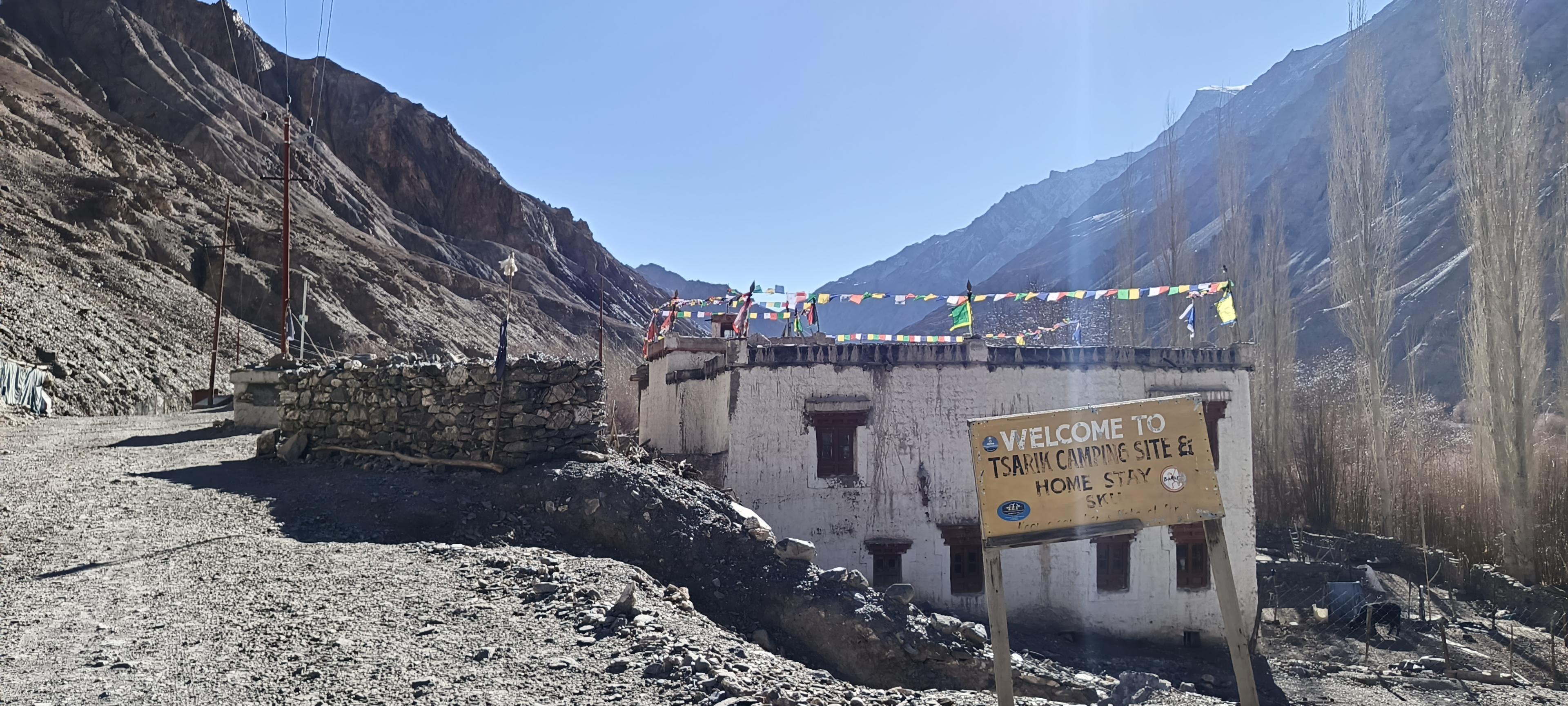
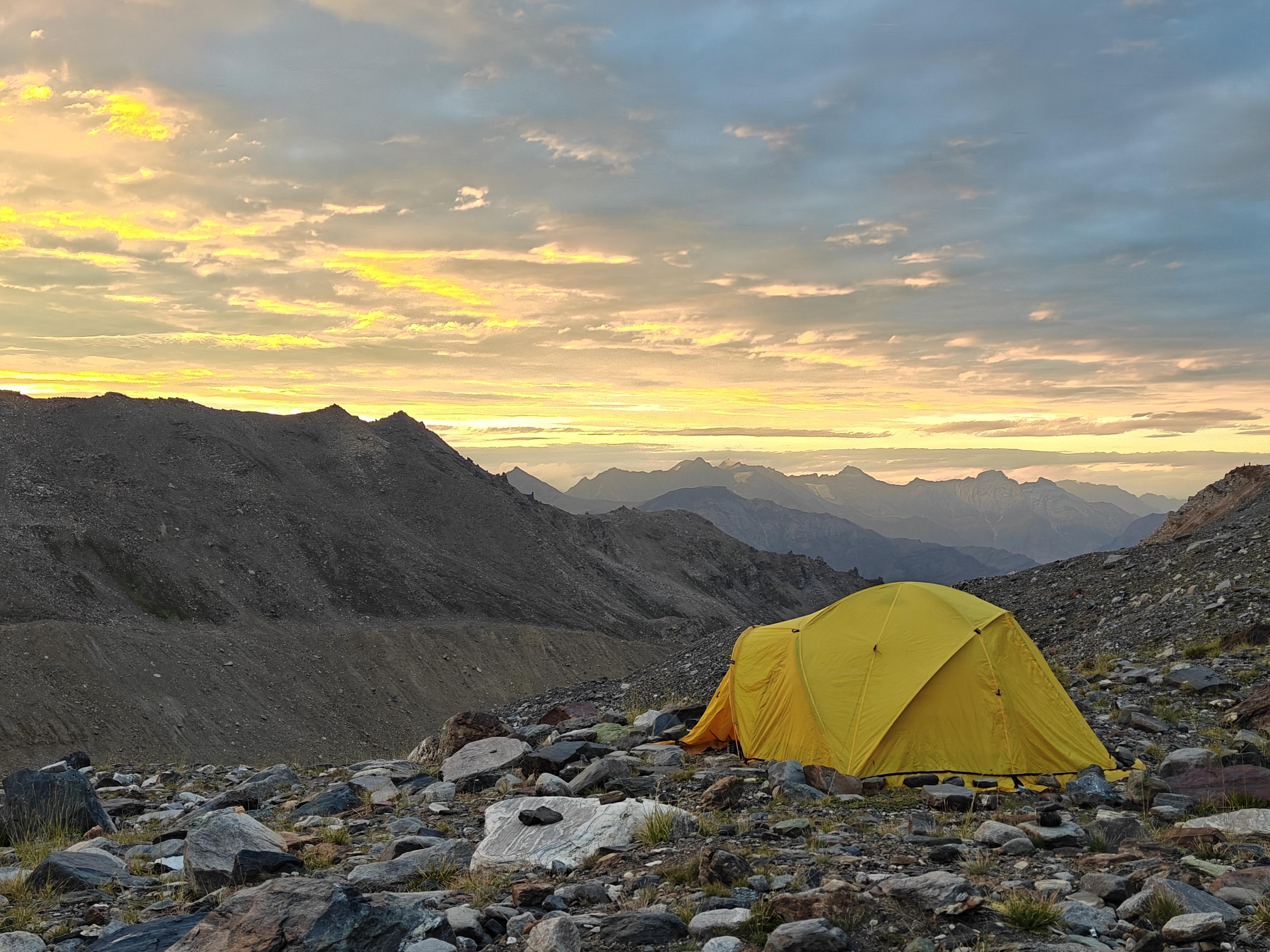
The journey typically begins in Leh, the principal gateway to Ladakh. From there, the team travels towards the Kargil and Suru Valley region, passing through landscapes shaped by towering mountain walls, dry valleys and traditional settlements. The approach to the mountain involves trekking through remote terrain before establishing base camp and preparing for the technical stages of the climb. The exact access route and camp locations depend on the expedition plan and prevailing conditions.
Once at base camp, the focus shifts to acclimatization, equipment checks, climbing preparation and familiarization with the mountain environment. Climbers need time to adapt to the reduced oxygen levels before moving higher. The team may establish progressively higher camps and undertake climbing rotations to prepare for the summit attempt. The precise number of camps, route and rotation schedule depend on the chosen line of ascent and the conditions encountered during the expedition.
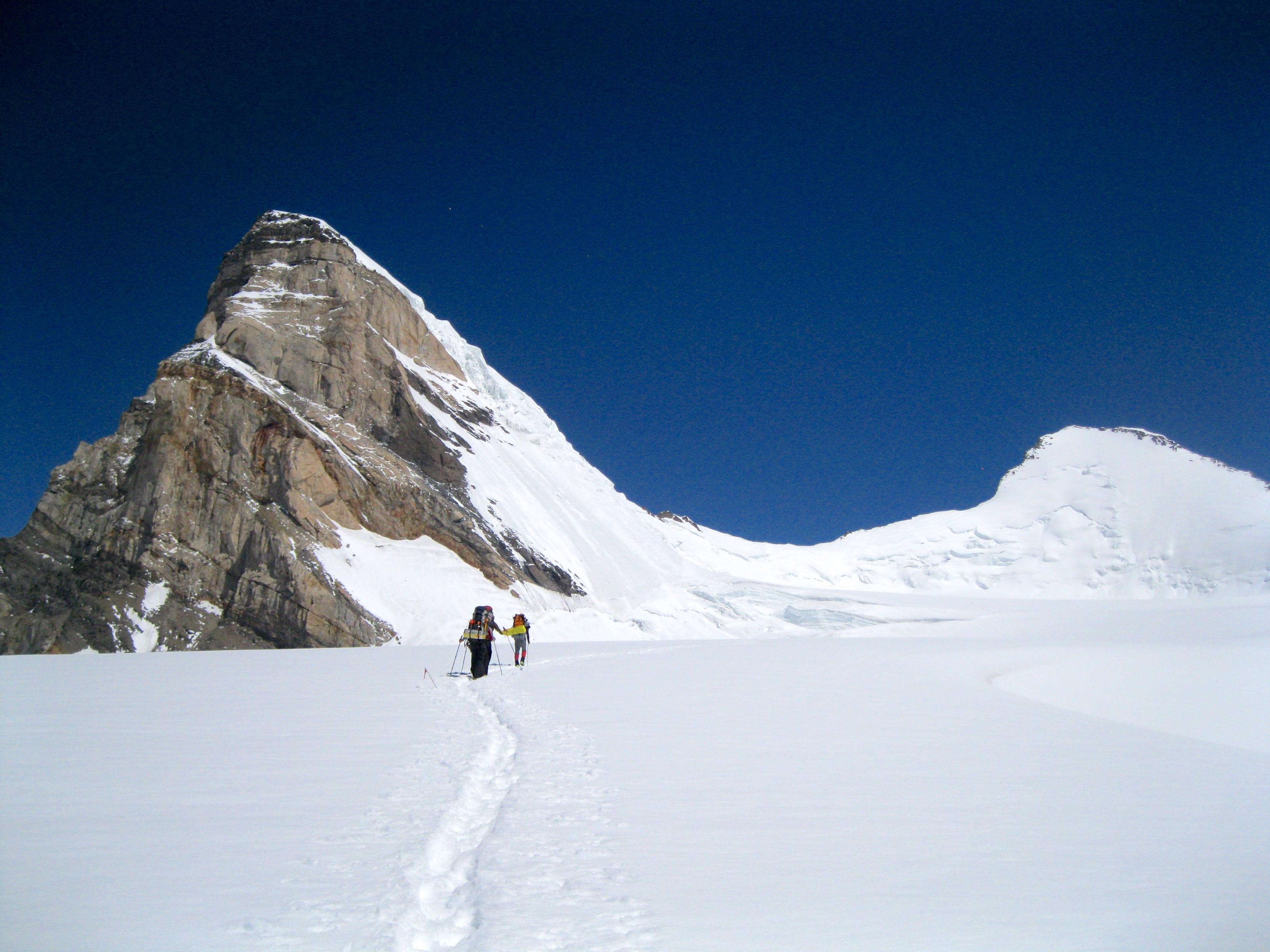
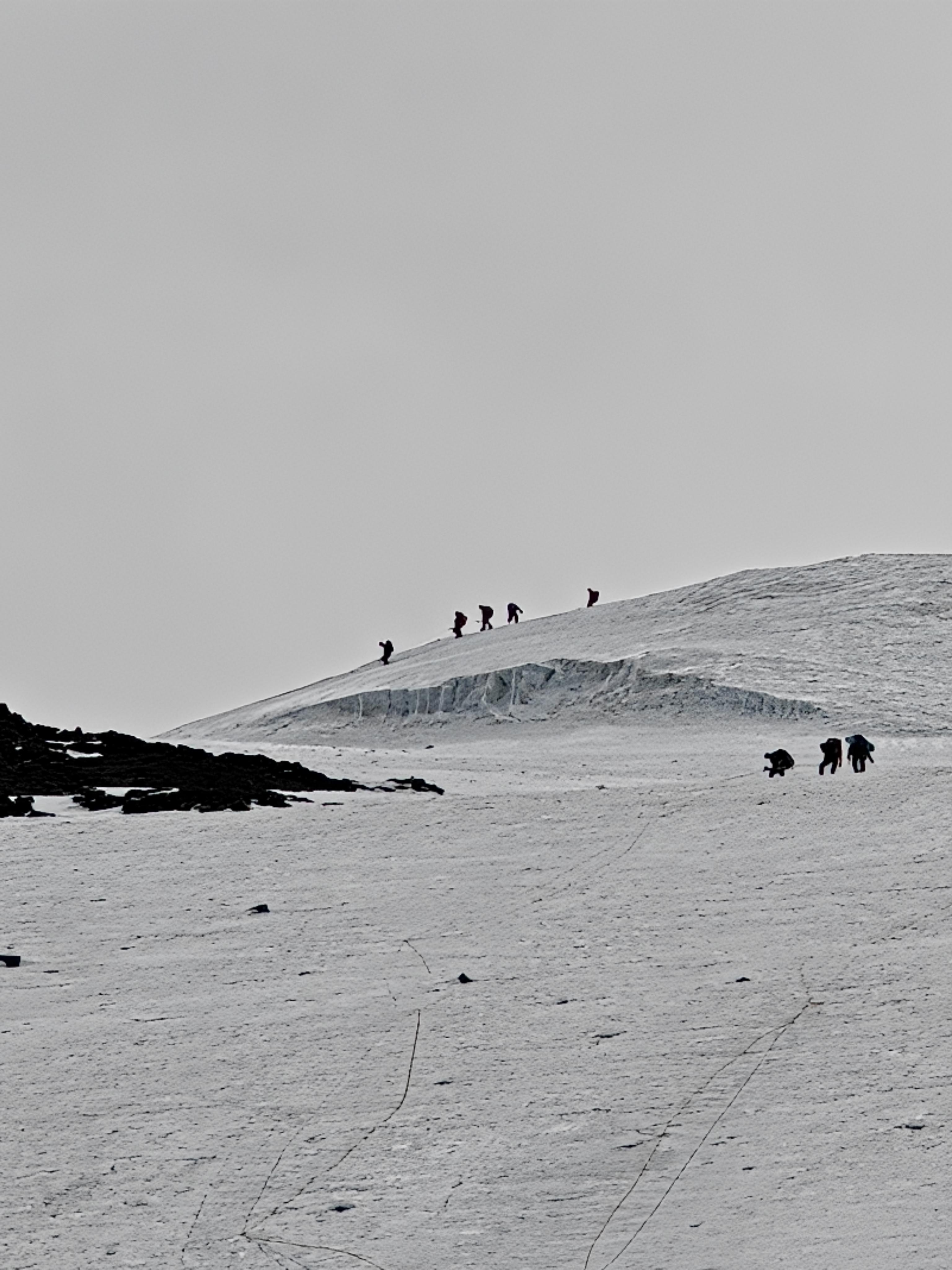
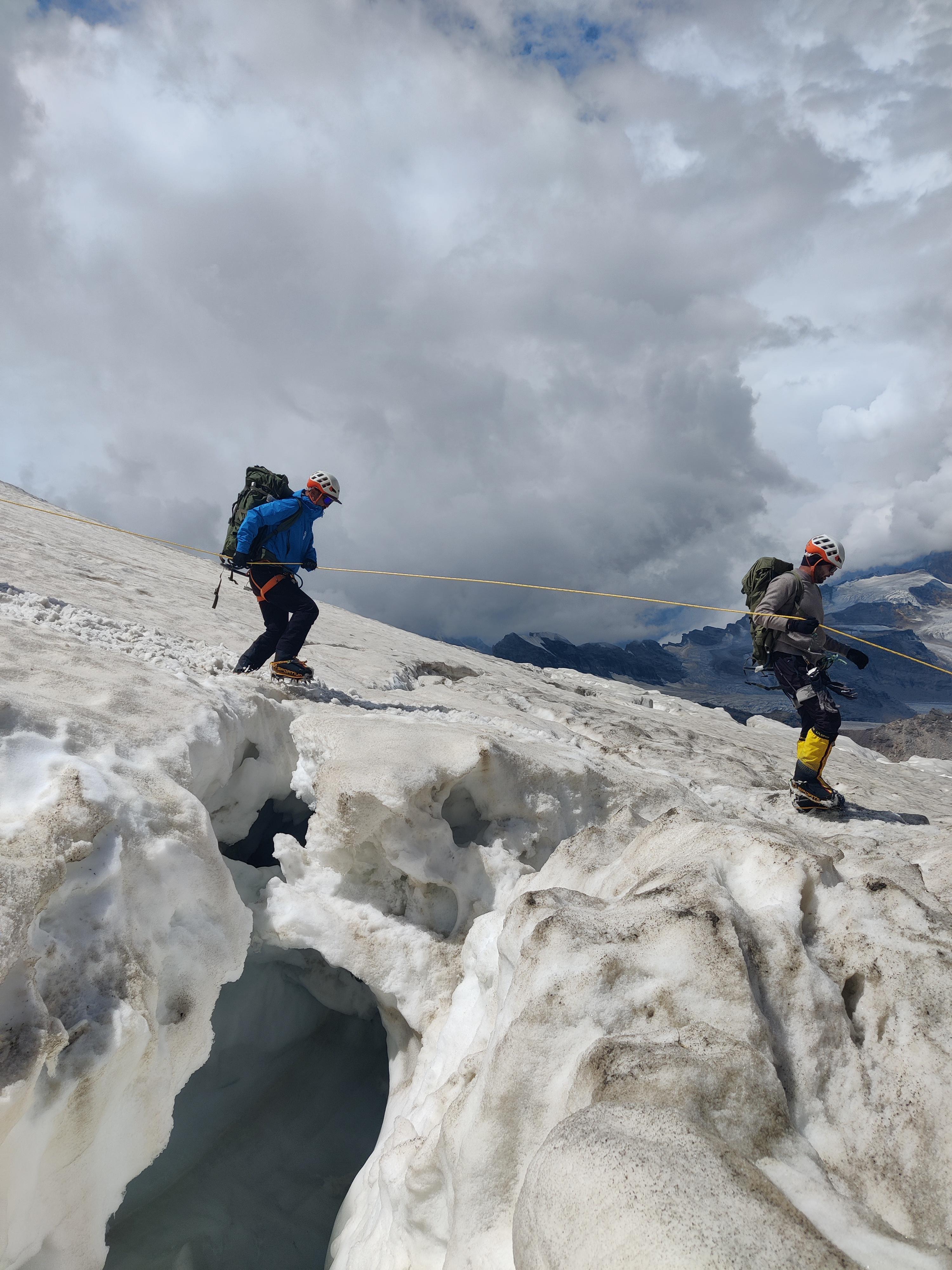
The ascent of Mount Kun involves the challenges associated with serious Himalayan mountaineering. Depending on the route and conditions, climbers may encounter glacier travel, steep snow and ice slopes, exposed sections and fixed-rope climbing. Moving safely across this terrain requires efficient use of crampons, ice axes, harnesses and ropes, along with the ability to assess conditions and follow sound climbing procedures
At elevations above 7,000 meters, physical effort becomes increasingly demanding. Cold temperatures, strong winds, fatigue and limited oxygen can affect both performance and judgement. Climbers must maintain a controlled pace, manage their energy and nutrition, and communicate effectively with the expedition team. A summit attempt is possible only when the weather, route conditions and individual health allow for a reasonable safety margin.
Why Climb Mount Kun with Frontpoint Adventures?
Mount Kun is an unforgiving 7,000-meter peak that requires precise tactical execution and robust safety margins: The 8,000M Springboard: Operating above 7,000 meters tests your physiological endurance under severe hypoxia. Summiting Kun provides the exact mountaineering credentials, high-altitude confidence, and cold conditioning required for an 8,000-meter permit anywhere in the world. The High Snow Plateau Experience: Few mountains in the Himalayas offer a terrain feature like the great snow plateau between Nun and Kun. Pitching Camp 2 at over 20,000 feet directly beneath Kun's rocky pyramid offers a true big-mountain atmosphere. Contrasting Technical Terrain: Unlike uniform snow domes, Kun combines lateral moraine rubble, active icefall sections, fixed-rope rock/ice couloirs, and an aesthetic snow arête leading to the top.
Safety Matrix
Technical Prerequisites: Mount Kun is reserved strictly for experienced mountaineers. Candidates must have prior summit experience on 6,000-meter peaks (such as Mentok Kangri 2, Kang Yatse 2, or Black Peak) along with formal certifications in Basic and Advanced Mountaineering Courses (BMC/AMC). Proficiency with crampon front-pointing, jumar hauling on 50° slopes, and controlled abseiling is non-negotiable. High Plateau & Crevasse Protocol: The 4-kilometer plateau between Nun and Kun features hidden crevasses masked by seasonal wind-drift snow. Moving unropes on the plateau or above Camp 1 is strictly prohibited. Turnaround Cutoff (TAT): A strict summit turnaround cutoff of 9:30 AM is enforced. Any climber who has not breached the final summit arête by this cutoff must reverse course with their dedicated guide to prevent descent over softened, unstable afternoon snow slopes.
Highlights
- A 7,077 m summit in the Nun-Kun massif
- A technical, multi-camp expedition on glacier and steep snow
- The remote Suru valley approach via Shafat Nala
- A strong stepping stone from 6,000 m peaks to 7,000 m climbing
From
₹1,79,999
per person
- Free reschedule up to 21 days out
- Small groups, certified mountain leaders
- Oximeter, oxygen & evacuation plan on every route
Day by day
The itinerary
23 days from Shafat Nala (Kargil). Tap any day to read the detail — distances and altitudes are planning figures and may shift with conditions.
Landing in Leh puts you straight into thin air. If you are flying in from near sea level, your body immediately faces a steep drop in atmospheric pressure and oxygen concentration. Day one is strictly tactical rest—no peak-bagging or strenuous sightseeing. Check in and power down: Head straight to your guesthouse, drop your gear, and stay horizontal for the first few hours. Even light exertion will spike your heart rate faster than you expect. Hydrate aggressively: High-altitude desert air dehydrates you rapidly, which worsens symptoms of Acute Mountain Sickness (AMS). Aim for 3 to 4 liters of water and warm fluids throughout the day. Avoid alcohol, caffeine, and heavy meals: Stick to light, carb-heavy meals that your digestive system can process easily while your body diverts energy to oxygen regulation. Save the exploring for tomorrow: Stroll through the local bazaar only late in the evening if you feel completely symptom-free.
What's included
- Accommodation in Leh/Kargil and all camps on the mountain
- All meals from Leh to Leh (veg, freshly cooked)
- Certified mountaineering guides, Sherpas and high-altitude support
- Peak/climbing permits and technical group gear (fixed ropes, ice screws, snow bars)
- First-aid, oximeter and emergency oxygen
Not included
- Flights and travel to and from Leh
- Personal climbing gear, insurance and offloading charges
- Anything not listed under inclusions
In the field
The country you'll walk
Ready when you are
Walk Mt. Kun Expedition with us
Small groups, honest briefings and a crew that has done this route many times over. From ₹1,79,999 per person.
Keep exploring