Himachal Pradesh · India
Miyar Valley Trek
The hidden Yosemite of Lahaul
The trek
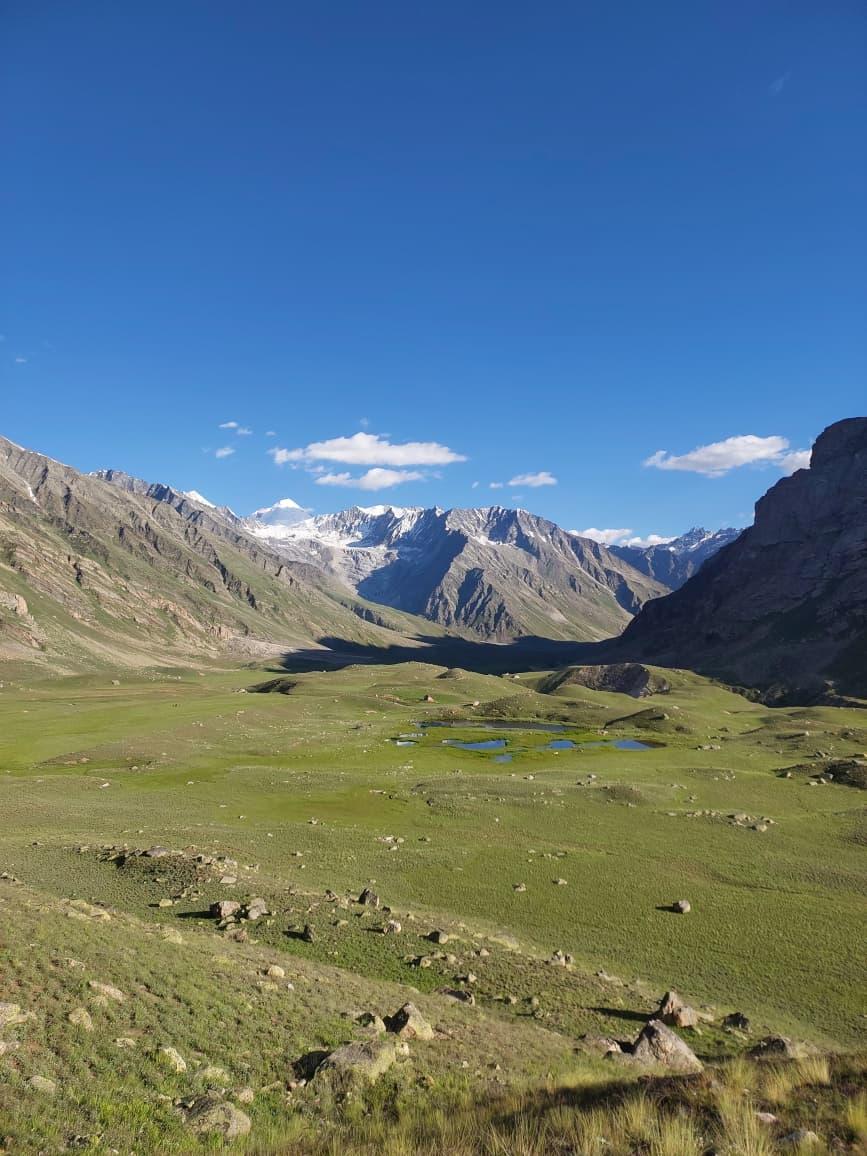
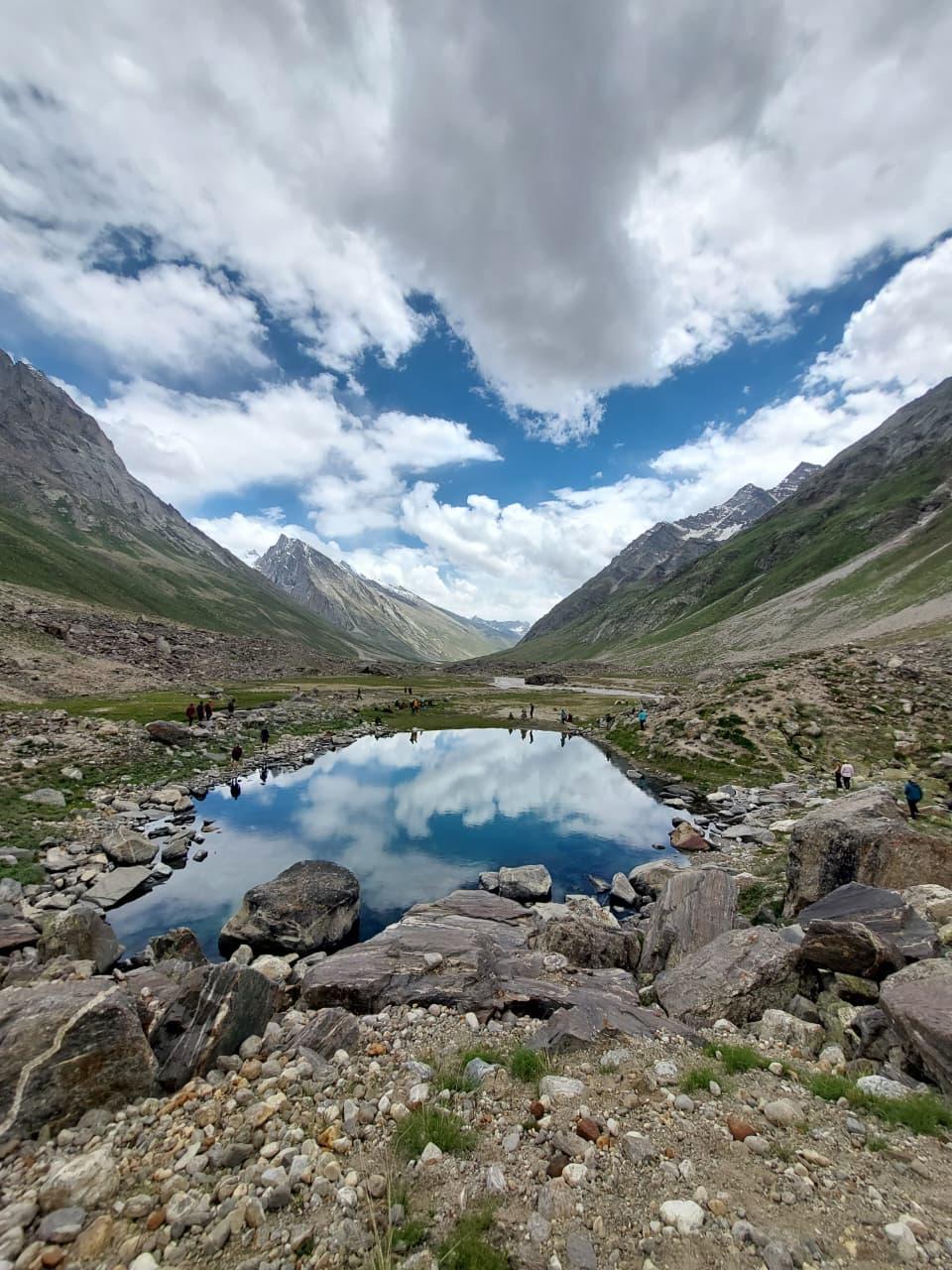
Nestled within the remote Chamba-Lahaul region of Himachal Pradesh, the Miyar Valley trek is widely revered as the "Yosemite of the Himalayas." Carving a pristine, 75-kilometer-long alpine corridor north of Udaipur, the valley terminates beneath colossal vertical granite towers, expansive glacial moraines, and the sacred emerald waters of seven high-altitude glacial tarns, known locally as the Miyar Lakes / Chhudong Lakes (reaching ~14,760 ft / 4,500 m).
The Miyar Valley Trek is a spectacular Himalayan trekking adventure into one of the remote and lesser-explored valleys of Lahaul, Himachal Pradesh. Known for its expansive alpine meadows, glacial streams, colourful wildflowers and dramatic mountain scenery, Miyar Valley offers a refreshing alternative to the more crowded trekking routes of the Indian Himalayas.
Located in the Lahaul region, Miyar Valley follows the course of the Miyar River towards the vast Miyar Glacier. The landscape changes gradually as the trail moves deeper into the valley, passing traditional mountain villages, open grasslands, rocky riverbanks and high-altitude grazing grounds. Surrounded by rugged peaks and vast open spaces, the trek offers an opportunity to experience the quieter side of the Himalayas at a relaxed but adventurous pace.
The journey generally begins from Manali, followed by a scenic drive towards Udaipur and the Miyar Valley. Depending on the chosen itinerary, the trekking route starts near Khanjar or Shukto, where the last motorable settlements give way to remote mountain trails. These villages provide a glimpse into the traditional lifestyle of Lahaul, where farming, livestock grazing and seasonal movement remain closely connected to the surrounding landscape.
As the trek progresses, the valley opens into broad meadows dotted with seasonal flowers and crossed by clear mountain streams. The trail passes through beautiful camping areas such as Tharang, Yolling and Zardong, depending on the itinerary. Each campsite has its own character, from open grassy clearings to dramatic boulder fields framed by towering mountain walls.
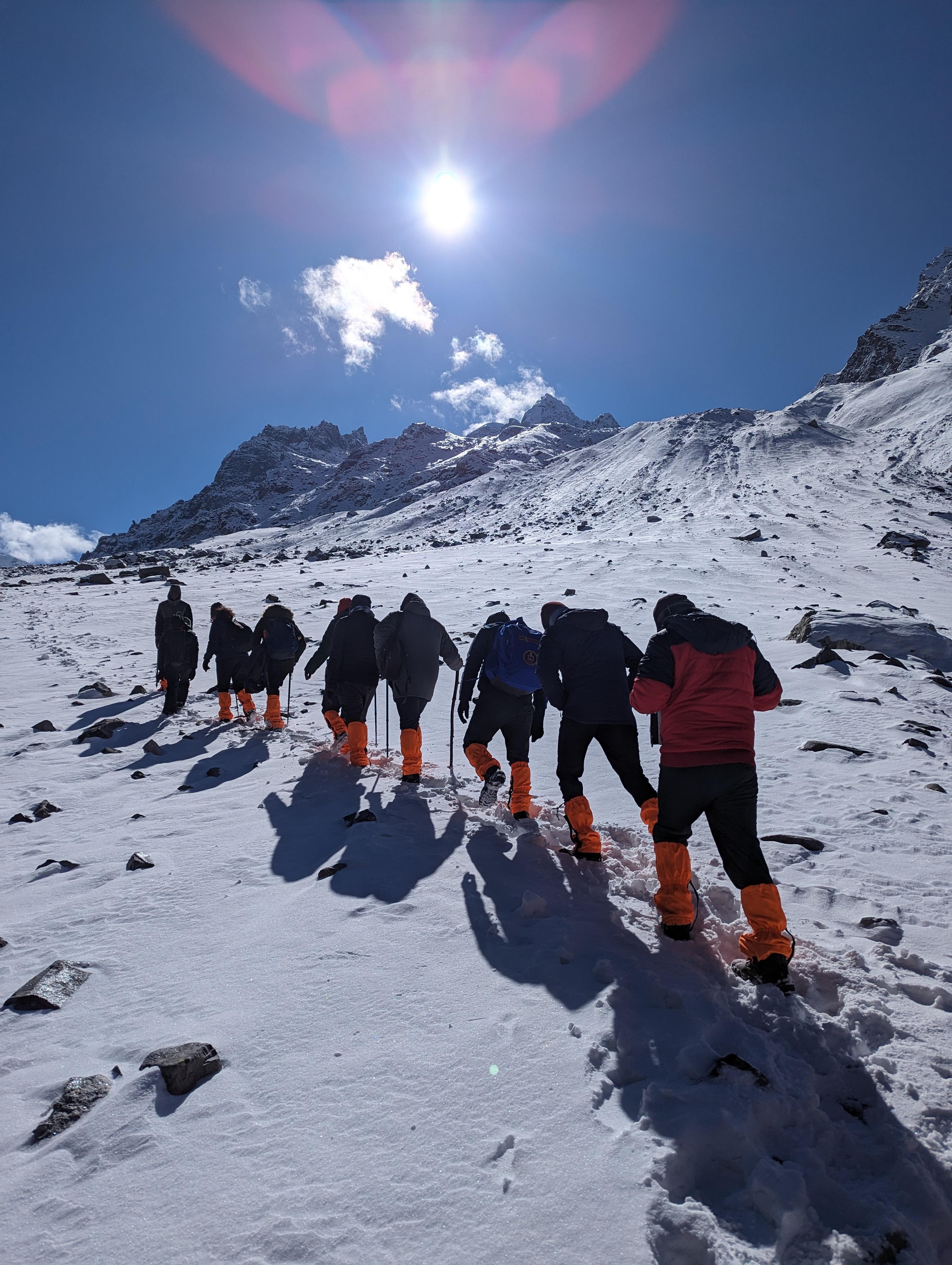
One of the distinctive features of the Miyar Valley Trek in Himachal Pradesh is the changing character of its terrain. The lower sections offer relatively open walking through meadows and river valleys, while the upper reaches become increasingly rugged, with boulders, glacial streams and uneven mountain paths. The contrast between green alpine pastures and the stark landscape near the glacier makes this trek particularly rewarding for nature lovers and landscape photographers.
A major highlight of the journey is the exploration of the upper Miyar Valley towards Phalpu and Kesar Yon Chhap, also known as the Seven Sacred Waters. These glacial pools lie near the Miyar Glacier and provide a memorable setting surrounded by rugged terrain and impressive mountain scenery. The exact excursion and highest point reached depend on the itinerary, weather, stream conditions and the trek leader's assessment.
The valley is also known for its impressive mountain surroundings, including the Menthosa region and the peaks of the Tharang massif. For trekkers interested in Himalayan geography, the landscape reveals the transition from inhabited valleys to high-altitude terrain shaped by glaciers, flowing water and seasonal snow. Miyar Valley has also served as an important route through the mountains for local communities and shepherds.
Beyond the scenery, the trek offers a chance to appreciate the cultural character of Lahaul. Traditional settlements, local grazing grounds and the quiet rhythm of mountain life add depth to the experience. Travelling through this region encourages a slower style of exploration, where the journey is about understanding the landscape as much as reaching a destination.
Why Choose the Miyar Valley Trek with Frontpoint Adventures?
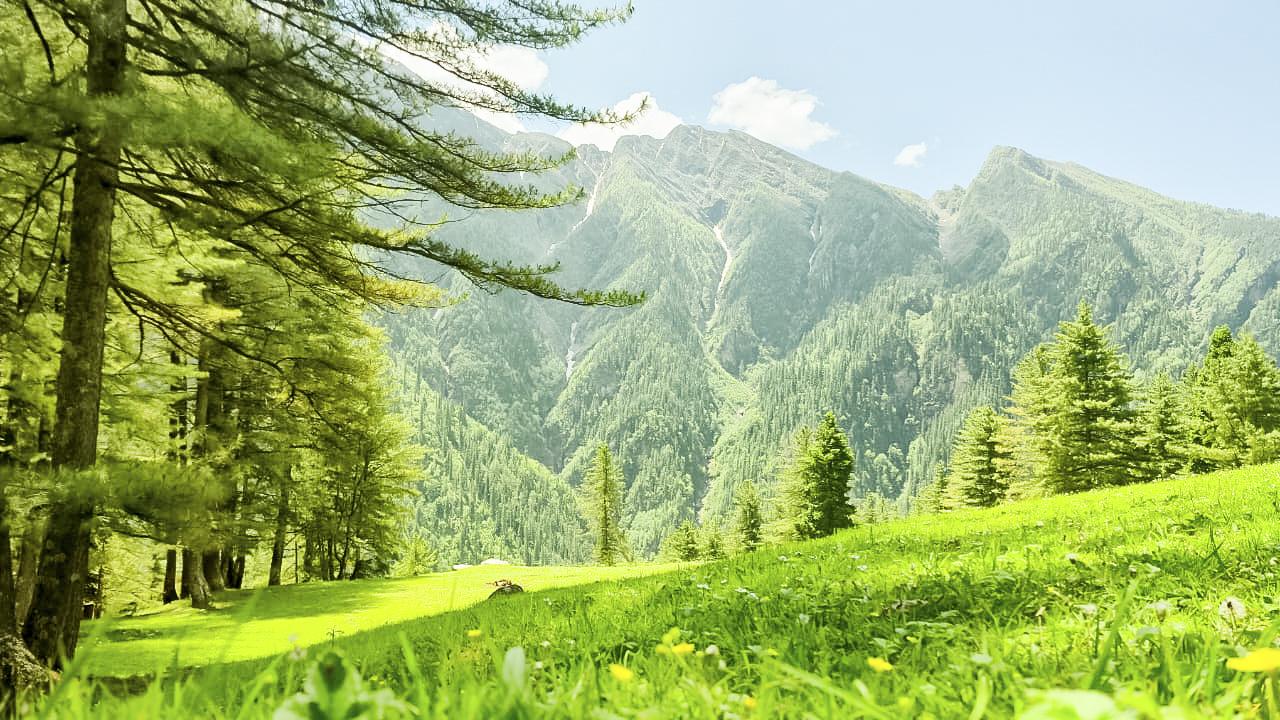
The Miyar Valley stands apart from standard Himalayan routes by combining sheer big-wall rock grandeur with wide, gentle alpine meadows: The Valley of Alpine Wildflowers: In peak summer (July to August), the valley floor of Thanpattan and Zardung transforms into a vibrant carpet of wildflowers—including forget-me-nots, yellow marigolds, wild mint, and endless fields of Himalayan blue poppies and edelweiss. The Granite Big-Walls: Renowned among world-class alpinists, the upper reaches of Miyar boast soaring sheer rock faces reminiscent of Yosemite or Patagonia. Peaks like Castle Peak, Toro Peak, Lotus Tower, and Mount Menthosa (6,443 m) flank the campsites. The Sacred Glacial Tarns of Chhudong: Tucked near the snout of the 28-kilometer-long Miyar Glacier lie a chain of turquoise and emerald glacial tarns (Chhudong). Revered by local Buddhist communities, their serene waters mirror the surrounding granite massifs. A Monsoon-Protected Sanctuary: Sitting across the Rohtang barrier in the rain-shadow zone of Lahaul, the valley receives negligible monsoon rainfall during July and August, making it an ideal summer escape when the rest of the Himalayas are drenched.
Safety Matrix
River Fording Dynamics: Glacial streams can swell in the afternoon due to solar melt. Frontpoint Adventures schedules all major river fords during early morning hours when water flow is lowest, utilizing safety guide lines and neoprene water shoes. Gradual Acclimatization: While the altitude gain is gentle and manageable, the trek tops out near 15,000 feet. Daily hydration targets of 3 to 4 liters and morning/evening pulse-oximetry (SpO2) readings are strictly enforced. Footwear & Sun Protection: The trail involves long marches across open river gravel and boulder shelves. Sturdy, waterproof trekking boots with good ankle support are required. Due to the high-UV trans-Himalayan exposure, Category 3 sunglasses, wide-brim hats, and high-SPF sunscreen are essential.
Highlights
- A remote, gentle valley walk through the "Hidden Yosemite" of Lahaul
- Soaring granite walls and spires above wide alpine meadows
- Flower-filled campsites at Yolling, Zardong and Palpu
- The drive through the Atal Tunnel into the Lahaul landscape
From
₹13,500
per person
- Free reschedule up to 21 days out
- Small groups, certified mountain leaders
- Oximeter, oxygen & evacuation plan on every route
Day by day
The itinerary
7 days from Khanjer (Udaipur). Tap any day to read the detail — distances and altitudes are planning figures and may shift with conditions.
The expedition begins with an early dawn start in Manali. Following a quick equipment check and a rundown of the morning schedule, we board the vehicles and point north toward the Solang corridor. Piercing the Pir Panjal barrier: Driving through the engineering marvel of the Atal Tunnel instantly flips the geography. You leave behind the moist, deodar-cloaked slopes of the Kullu Valley and emerge on the northern portal into the stark, sun-bleached expanse of the Lahaul plateau. Traversing the river highways: The road rolls along the valley floor past the alpine village of Sissu, renowned for its sweeping waterfall and willow groves, before tracking onward to Tandi. Here, the glacial torrents of the Chandra and Bhaga rivers merge into the Chandrabhaga (Chenab). We trace this powerful river canyon westward toward Udaipur, the cultural crossroads of the lower valley and the final town with connectivity before entering the backcountry. Pushing into the upper Miyar corridor: Branching off at Udaipur, the highway narrows into a wild, single-lane track carving straight into the secluded Miyar Valley. The route climbs steadily past traditional dry-stone settlements, terraced barley and pea patches, and soaring vertical granite walls. Arrival and passive acclimatization at Khanjar: By afternoon, the vehicles pull up at Khanjer, one of the northernmost inhabited settlements in the valley, resting at over 3,500 meters. Gaining roughly 1,500 vertical meters by road demands that the rest of the day be kept calm and stationary to let your respiration adjust. Orientation and safety check: As evening settles over the village, the trek leader gathers the team for a comprehensive pre-trek briefing: Route dynamics: Breaking down trail pacing, moraine footing, and glacial stream-crossing techniques. Camp protocol: Tent etiquette, hydration benchmarks, and Leave No Trace (LNT) discipline in an isolated valley. Vitals screening: Pulse-oximeter baseline readings and monitoring for initial signs of altitude adaptation before sitting down to a warm dinner. Get a restful night’s sleep—tomorrow, the road ends and the foot expedition up the Miyar wilderness begins.
What's included
- Twin/triple-sharing tents on the trek
- All meals on the trek (veg, freshly cooked)
- Certified trek leader, guides and support staff
- Camping charges and local permits
- First-aid, oximeter and emergency oxygen
Not included
- Transport to and from Manali
- Personal trekking gear and insurance
- Anything not listed under inclusions
In the field
The country you'll walk
Ready when you are
Walk Miyar Valley Trek with us
Small groups, honest briefings and a crew that has done this route many times over. From ₹13,500 per person.
Keep exploring